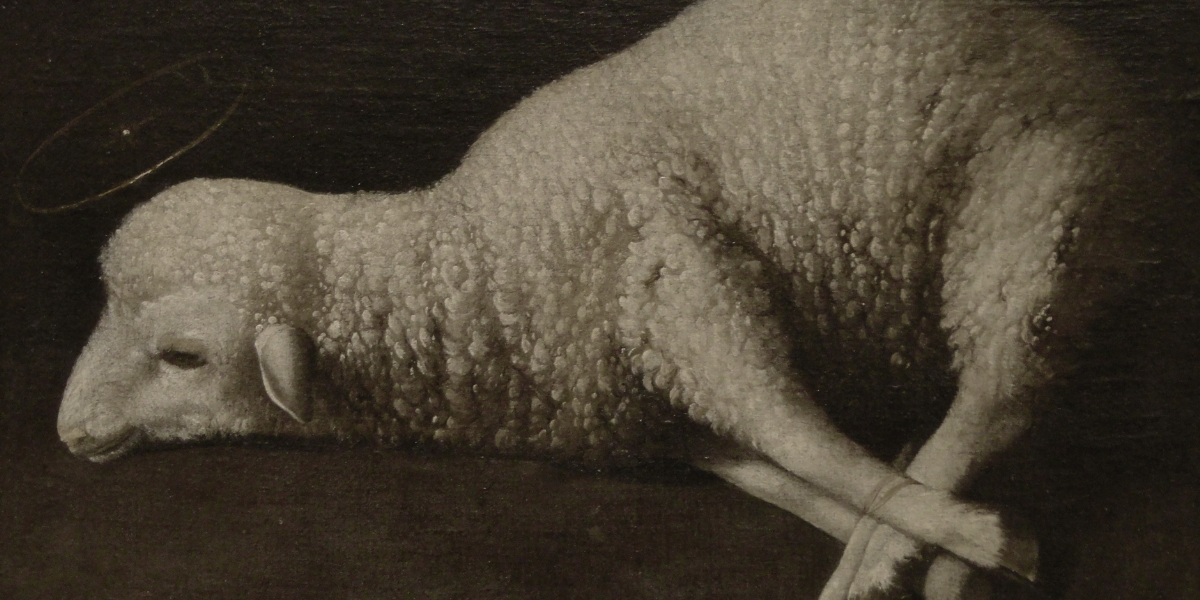
For God so loved the world that he gave his one and only Son, that whoever believes in him shall not perish but have eternal life. For God did not send his Son into the world to condemn the world, but to save the world through him. Whoever believes in him is not condemned, but whoever does not believe stands condemned already because they have not believed in the name of God’s one and only Son.
John 3:16-18
Notes
John 3:16 is often the first verse people encounter and are taught to memorize when they enter the Christian faith. This verse is at the heart of the gospel and speaks most clearly to the love of our Father: He sacrificed His own Son, Jesus Christ, so He could provide hope and life. Sunday school classrooms and children’s voices reciting in unison come to mind when reading this verse. But there is even more depth and truth to this section of scripture. We are to hope in a Father who loved so deeply that He gave up his only Son, but we are not to condemn or limit this sacrifice to only a few.
Christ did not have to be sacrificed. Yet sacrificial love was necessary to eradicate the utter finality of death. And if God had not done so, it would have been akin to turning his back on mankind, implying that he wants nothing more to do with the world he created. Instead, Christ, as a man, had to suffer in order to resurrect his spiritual being.
It was a sacrificial love that placed Jesus on the cross as a way out of darkness, even if human hands placed him there. No condemnation was given from the Father, and likewise, we should not lay condemnation at His door or at the feet of others. We have to trust in love, joy, and peace, and not get lost in the darkness of what this world demands of us or wants us to believe.
Chris Owen wrote a great article in Comment Magazine in the edition“Where is the Church?” at a time when the church is so greatly needed. Owen discusses the potency of fear and how the church and church body are well suited to scale down the despair that has grown to epic proportions. He says:
The church that has recovered this movement of the imago Dei has remembered its vocation. It regains its prophetic witness. Its insistence on, and commitment to, the power of sacrificial love is a scandal to the world of getting and spending, competing and dominating, shaming and demeaning. Its trust in the power of sacrificial love, and its confidence in the triumph of that love at the end of time, means the church can resist the temptation to seize worldly power and win now. No longer assimilated to the culture, the church is salt again.
Fear is undone by the way of being that is the daily practice of self-emptying love, in the community of those who so practice. Fear is not eliminated; it just loses its power to keep us prisoners.
The church has done too little to contain the rampant flames of falsehood and fear. It has also become too quick to condemn. Instead of wrestling with fellow believers in a zero-sum game perpetuated by the world, we should work together against a culture that believes fame, fortune, and power lead to a better life. Kings pass away, as do presidents, leaders, pastors, and celebrities. Each gets their article in the Times for a day, but by the next day, other headlines or bulletins will take their place. The world’s ambitions lead to the same end, the darkness of death. But in Christ, we can have eternal life.
God did the opposite of what a worldly king or leader would do with his legacy. Instead of elevating his Son to power and glory, he sacrificed him and let him die like a common criminal. Jesus left the world as humbly as he arrived. We have been offered the gift of salvation not to take lightly or hoard for ourselves. The gospel is for everyone, not just a select group, culture, or class. Christ was sacrificed so we could have eternal life and return to our Maker. God could have condemned us, but he saved us instead. If God did not send his Son to condemn the world, why are we so quick to condemn in his place?
MEMORY VERSE

Peter Henry Emerson. Gnarled Thorn Trees, 1893, printed 1895. National Gallery of Art
Related Verses
More verses about God’s sacrificial love


PRAYER INVITATION

Application Questions
- Do you find it easier to believe that God loves the whole world or that he loves you deeply? Why?
- Do you still find yourself trying to earn God’s love through good deeds, religious piety, or words used instead of accepting the free gift of salvation? How can you shift your mindset and actions to receive God’s love without the need to earn it?
- Who are the hardest people or the most difficult person for you to love right now, and how does John 3:16 challenge you to love differently?
- How does your everyday understanding of God and the ways of the world change when you think of the Father sending His own Son to die for you?
- God gave His only Son without any guarantee that those He saved would respond to or accept the sacrifice He made. Are you acting or serving others hoping for a return, or are you serving freely and without expectation?
- What is the most precious possession, ambition, comfort, or power that you are struggling to surrender? What action(s) can you take this week to make a sacrifice out of love for God and fully entrust him?




Leave a Reply