
Is anyone among you in trouble? Let them pray. Is anyone happy? Let them sing songs of praise. Is anyone among you sick? Let them call the elders of the church to pray over them and anoint them with oil in the name of the Lord. And the prayer offered in faith will make the sick person well; the Lord will raise them up. If they have sinned, they will be forgiven. Therefore confess your sins to each other and pray for each other so that you may be healed. The prayer of a righteous person is powerful and effective.
James 5:13-16
Scripture Notes
It has become normalized to complain. Society dotes on pointing out problems, divisions, disappointments, inconveniences, and trials. Negativity has become a moniker of ‘the busy’ and ‘the high achiever.’ However, positivity and negativity are a choice. In every situation, one can seek out the problems and letdowns or instead find joy and purpose, even in disappointment. When we are in trouble, we are called to reach out to the Lord. When we are happy, we are to let our spaces ring with music. We are also supposed to sing in times of trouble and pray in times of joy. Instead of complaining or falling into self-pity, we should bring everything to the Lord in good times and bad.
To work through those trials, we are called to reach out to church leaders who are supposed to anoint with oil. Were the intentions supposed to be medicinal or spiritual? No one can fully speak to the true meaning behind James’s words, but there are a few things we can learn.
NO ONE SHOULD SUFFER ALONE
We are called to bear each other’s burden, and church leaders, specifically, are supposed to help those in their congregation, praying over them and lifting them up.
WE WERE MADE FOR COMMUNITY
Suffering was never meant to be handled in private and hidden away. Culture has led us to believe we should not burden others with our troubles, but that was never God’s intention. Sharing with a body of believers and church leaders allows more voices to call out to the Lord.
LEADERSHIP SHOULD BE READY
Part of the role, discipline, and call of being a leader in the church is to be ready to pray, weep, listen, advocate, hold accountable, and love those who come to them for help. This is not a position of power and prestige but that of a willing servant, ready to wash the feet of those who are struggling.
Healing is not just physical or spiritual; it can be both. The Lord continually reminds us to get to the root of the problem rather than merely treating symptoms. When the paralyzed man was brought by his friends, Jesus told the man that his sins were forgiven and then called him to get up and walk (Matthew 9:1-8). Leaders were called to anoint the people who came to them with oil. This practice is first spiritual (cleansing and lifting someone up to the Lord for forgiveness) and physical (treatment and attention to the suffering of the body). Seeking both pardon and better health (Psalm 103:3).
Prayer is powerful, despite the modern sentiment that mankind, knowledge, and technology are even more so. It didn’t take just one person in Ninevah to save the city. Salvation required every person to cry out in confession and repentance, and it began with their leaders (Jonah 3:6-10). When Peter was in prison, it was not one person but many who prayed (Acts 12:5). Prayer is not a talisman, a good-luck charm, or mystical. It is consequential, but it is because a problem is lifted off our weak shoulders and handed over to the Almighty.
It is easy to forget that the spiritual, physical, emotional, and mental are all working together. We cannot simply try to heal the body, we must care for the soul. We also forget that the power of healing in Christ’s time is still at work today. People can point to advances in medicine, hygiene, and the prioritization of mental health, but what is unseen is the spiritual at work. Regardless of our trials, pain, or suffering, our first act should be to cry out to the Lord in prayer and worship. We should then reach out to those around us, seeking support and those who can join us in prayer. Finally, we must look inward, trusting the Lord even when we are unsure. Forgiveness, healing, and strength may not arrive as we expect, but they are there for those who have faith in the Lord in all things.
To read more about James 5:16, read the devotional on Prayer and Confession.
MEMORY VERse

Charles Marie Dulac. Hymn to Creation: Holy Spirit of God, 1894. The Cleveland Museum of Art
Related Verses
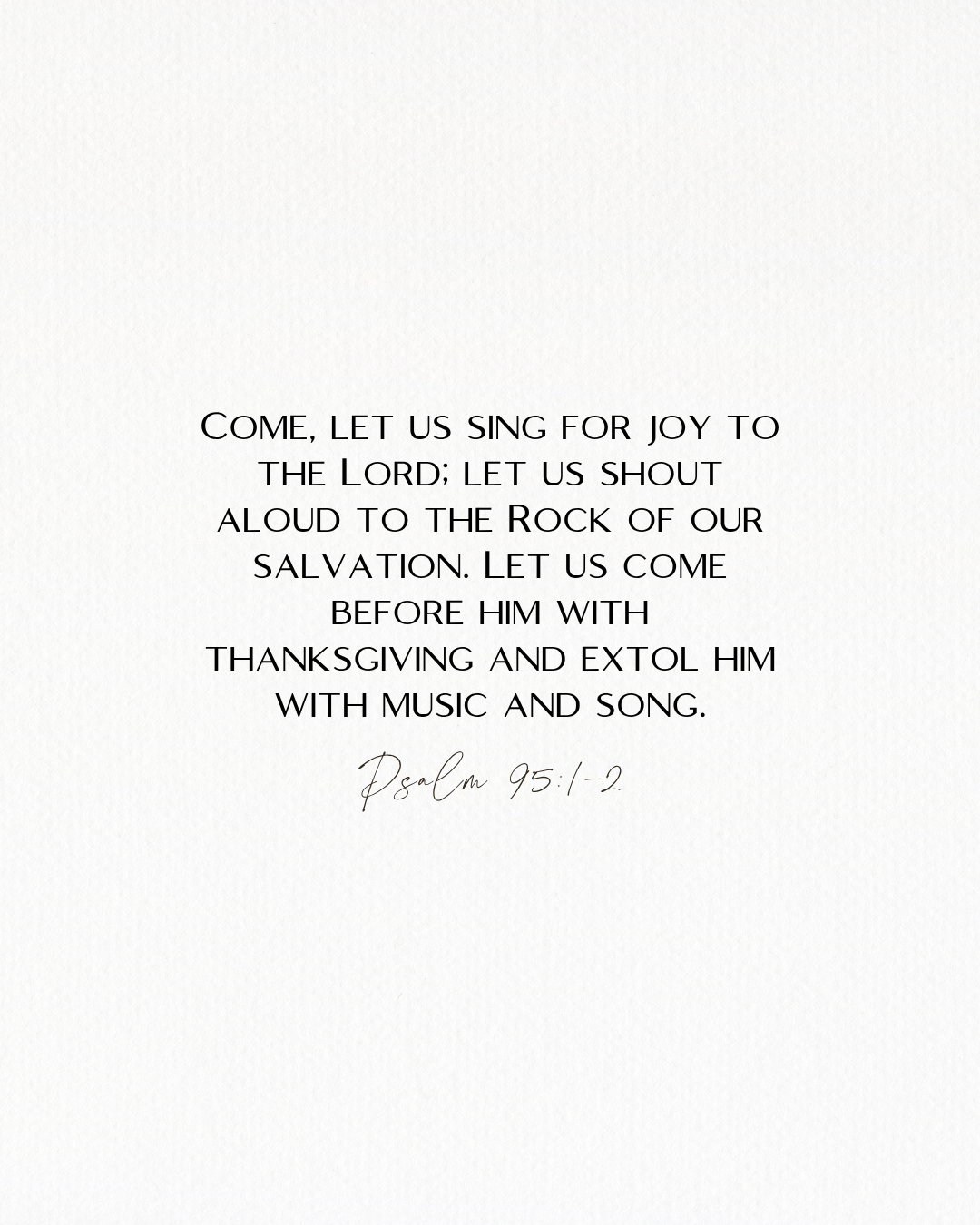
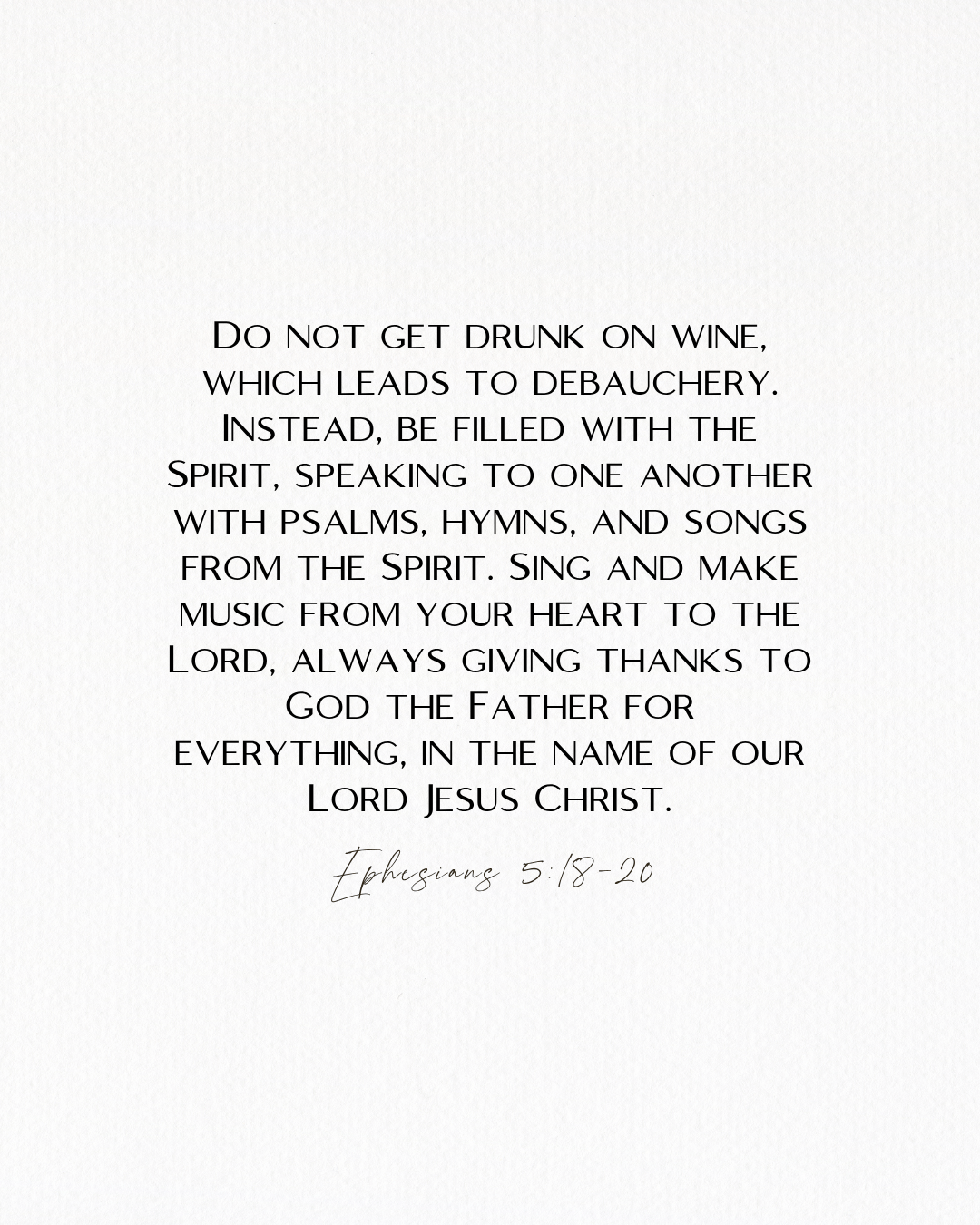
More verses about calling on the Lord with praise:

Prayer Invitation

Application Questions
- When life becomes difficult, chaotic, and loud, what is your first reaction? Is prayer your first step, or are you leaning into stress, worry, and distractions? How can you begin to practice ‘Prayer First’ during good times and bad?
- Outside of a church building or on Sunday mornings, are you ‘singing praises’? What would it look like for you to sing more often?
- Are you hesitant to ask for help or for prayer when you are struggling? Is there hidden suffering, poor habits, or broken relationships that are keeping you from spiritual joy or physical wellness? Is there a struggle in this moment that you could bring to the church and ask for prayer and support?
- Do you have at least one or two people in your life with whom you can be honest? If not, what people or things do you need to remove from your life to make space for more nourishing and lasting relationships?
- How are you defining prayer, and does it serve God’s purpose? How can you better view prayer’s effectiveness, not by whether it gets what you think you want, but by whether it aligns with the Lord’s will?



Leave a Reply