
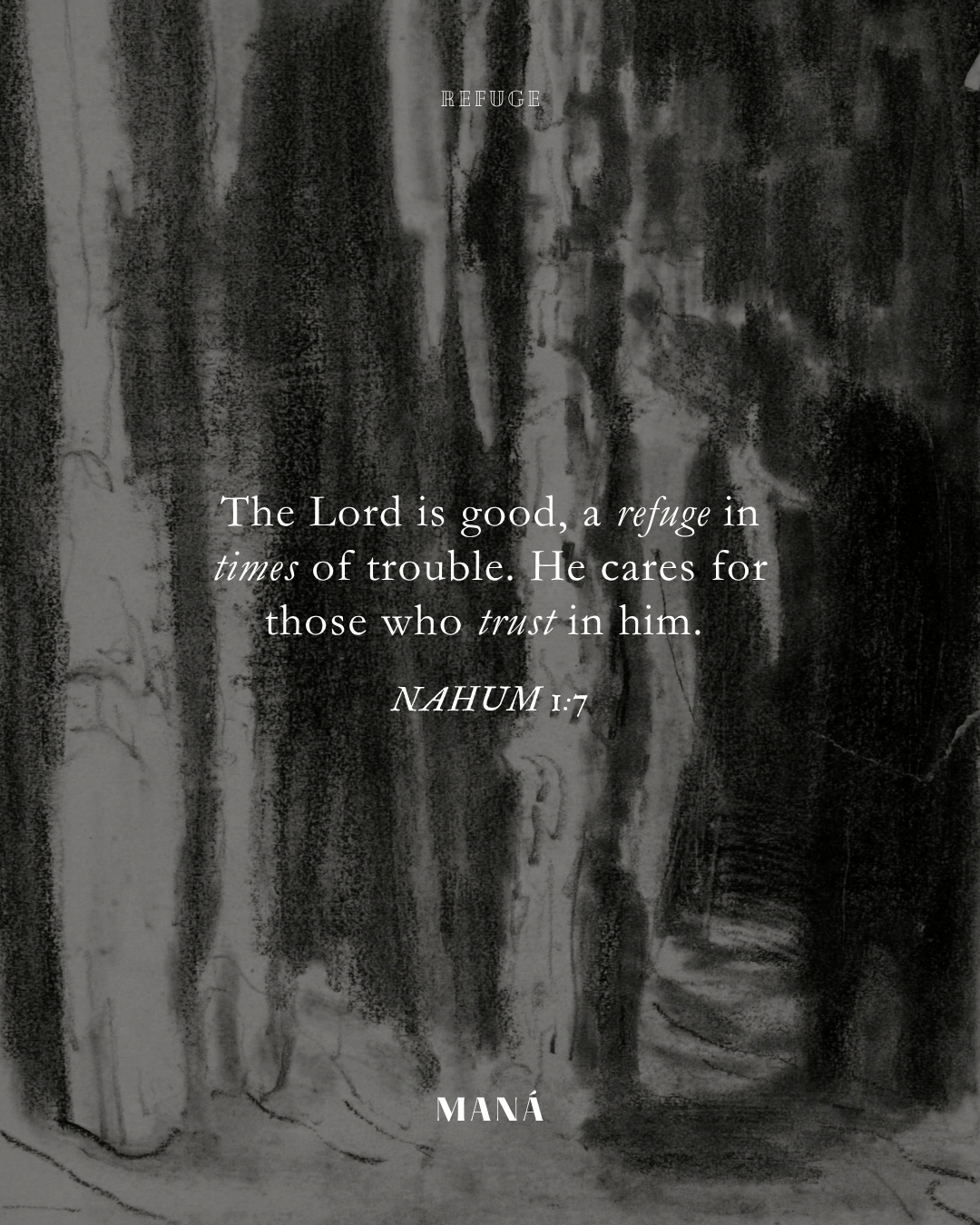
The mountains quake before him and the hills melt away. The earth trembles at his presence, the world and all who live in it. Who can withstand his indignation? Who can endure his fierce anger? His wrath is poured out like fire; the rocks are shattered before him. The Lord is good, a refuge in times of trouble. He cares for those who trust in him, but with an overwhelming flood he will make an end of Nineveh; he will pursue his foes into the realm of darkness.
Nahum 1:5-8
Scripture Notes
No matter who has the largest army or the richest economy or the most weapons, no earthly power comes close to the supremacy of the Lord. He who can stop the sun or quiet a storm cannot be compared to any person or nation. We are misaligned if we believe that God is at our disposal. Or that we can dispense God to do our bidding. No. We should tremble knowing his might and sovereignty.
Patience is a struggle for most of us, but God is far more patient than man. He yearns for us to be connected to him. We are his children, and he loves us unconditionally. He is not like judges on earth, who let prejudice, precedent, or partisanship cloud their judgment. God is all-seeing, all-knowing, and all-loving. We are allowed to be comforted by the truth that the wicked will not be acquitted (v2. What we allow in society as norms is out of kilter with the Lord. We sometimes see the rich set free, the guilty go unpunished, and the corrupt are given a pass. But God transcends every culture and every nation. He brings about justice not to be cruel but to bring about restoration.
The main point of Nahum’s message is that the Lord is good. He is good to those who trust in Him and call upon Him. Trust implies a relationship, something that has been established and is not flippant. The Lord is also our stronghold. We trust in him not just because He is good, but because He is just. He confronts the wicked, the oppressors, and the violent, whether it is a person or a nation. God holds everyone to account.
God moves within us as individuals, but He also deals with nations. Rather than Nineveh being singled out as a corrupt nation, the city’s destruction serves as a warning to all nations. Any who build their power by oppression, abuse, and injustice will receive their reckoning. No matter how strong or powerful, even the mightiest will fall. This is where communal repentance and humility are so vital. It is not enough for one person to confess. The entire nation must come together and claim responsibility for its collective actions no matter ones involvement. If the mighty Assyrians, Babylonians, Greeks, Persians, Romans, and the list goes on, what makes us think that nations of our present time are exempt?
We must hold on to the promise that the Lord is good to those who seek refuge in Him. The truth is, we all deserve judgment and accountability. We all deserve death, but because of the love of Christ, we are redeemed. We can find protection in the Lord, but we must not forget those around us. It is not enough to not do what is wrong; we must act and do what is right. That means owning up to our failures, repenting of our sins, and trusting in the Lord rather than in ourselves or our nation. We must remember to seek the Lord’s kingdom first (Matthew 6:33) because nothing else carries the same significance.
MEMORY VERse
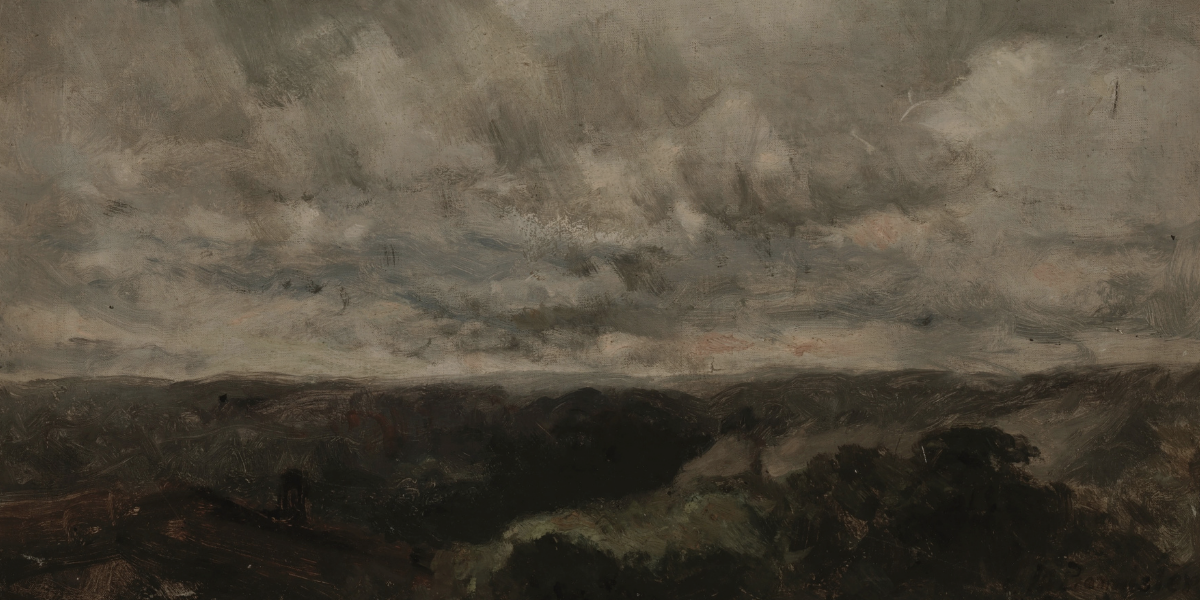
Miner Kilbourne Kellogg, Grotto at Aldberg, 1843. Smithsonian American Art Museum, 1991.56.60
Related Verses
More verses about trusting in the Lord:


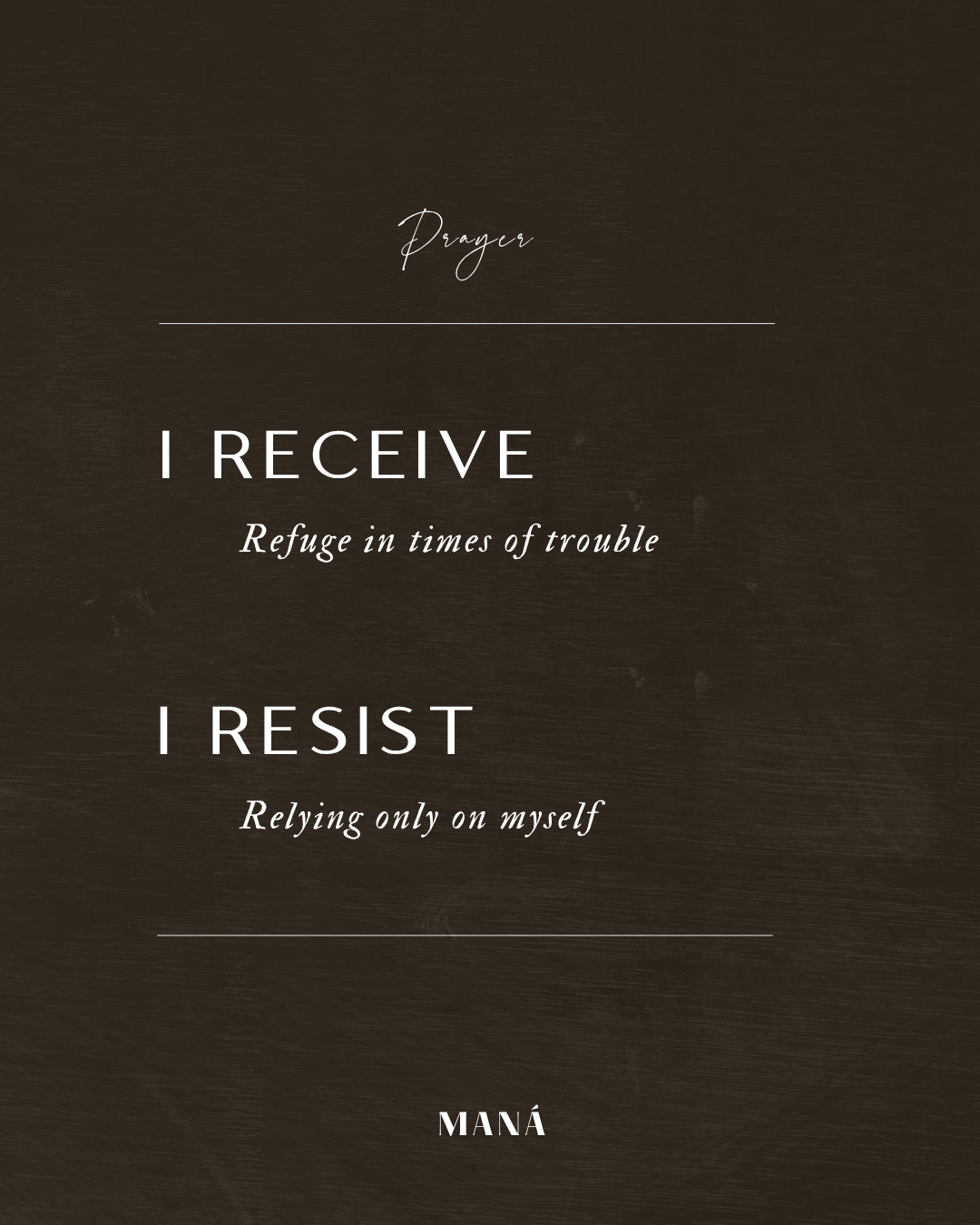
Prayer Invitation
Application Questions
- When life is overwhelming, or you have insurmountable problems, do you limit God’s authority, or do you recognize His sovereignty over all things? How can you better trust in the Lord when you are in times of trouble?
- How do you reconcile the fierce judgment of God with his unconditional love? Does the reality of God holding the wicked accountable alter decisions you make in your own life?
- Have you become tolerant or complacent about habits, attitudes, or societal norms that oppose God’s word? Is this done out of a lack of recognition or out of a presumption of God’s long-suffering patience? How can you be more active in imitating Christ even if it sets you apart from others?
- Does knowing that God will not let cruelty, injustice, and corruption go unpunished provide you comfort or make you wary? Why?
- Do you have false strongholds you run to first (anxiety, control, AI, social media, self-reliance) rather than seeking refuge in the Lord? What practical ways can you shift your priorities so that in times of struggle you pursue protection and shelter from God?
Leave a Reply