
Then they gathered around him and asked him, “Lord, are you at this time going to restore the kingdom to Israel?”
He said to them: “It is not for you to know the times or dates the Father has set by his own authority. But you will receive power when the Holy Spirit comes on you; and you will be my witnesses in Jerusalem, and in all Judea and Samaria, and to the ends of the earth.”
Acts 1:6-8
Scripture Notes
It can either be comforting or disappointing that even the disciples thought in political and national terms, much like people today. They were concerned about physical freedom and the reestablishment of their own nation, harkening back to the days of King David. Often, we expect literal, material, or even political validation from scripture, but we are constantly reminded that, as believers, our devotion should not be to nation, party, leaders, or even ourselves, but in Christ and Christ alone. Our first priority should be the spiritual nature of God’s Kingdom that will endure and never fall.
Like the disciples, we are too eager to know the future so we can be prepared or plan. But we do not know God’s plans or timing. Even Christ and the angels do not know (Matt. 24:35-3) the timing of God. This is a good reminder that if Christ does not know, then no one here on earth knows when countries will rise and fall, nor when the end times will occur. Anyone who claims foreknowledge not only is deceitful but has overstepped and entered into a sphere designated only for God the Father. Speculation does little good, instead, we are pushed to meet the needs of the here and now.
As with people today, the disciples had a very narrow view of Jesus’ ministry. So much of their lives was focused on Israel as a nation and the Jewish faith, yet they were told that everyone was welcome in the kingdom of God, including those in Judea who had rejected the gospel and those in Samaria who were considered inferior, less than, and even repulsive. Yet the disciples were called to venture into spaces they had previously thought were beneath them. We see this today, with a class or culture that believes itself superior. But the gospel message is not a nationalist one, nor is it reserved for an accepted few. Rather, it is a global message of unification in Christ, regardless of heritage, background, ethnicity, political party, nationality, or skin color.
Like generations and eras before us, we must not equate the power of the Holy Spirit with the power of Caesar, or, in a modern context, with political, economic, or military power. The Holy Spirit is an Advocate who reminds us of the truth of Christ (John 14:26), one who intercedes for us (Romans 8:26), and the Spirit builds our character (Galatians 5:22-23). The power we receive from the Holy Spirit was not meant to establish a nation, but to be a witness to many.
The divine empowerment we receive is not meant to conquer a physical and temporal world. It should humble us and direct us toward something greater than ourselves. We are to speak truth in love, act in obedience, and follow the example of Christ. Again, we impose barriers and limitations on the term ‘witness’. Sharing the gospel is not reliant on personality but on the Holy Spirit. Sometimes being a witness is listening to others rather than speaking. There are many ways to be a witness without shouting on street corners. But we are called to be a witness. As believers, it should pour out of us without shame or self-consciousness. It should be recognized in our work, actions, and conversations. It was evident at Pentecost that something had happened to the disciples. Can others recognize the Spirit working within you?
MEMORY VERse
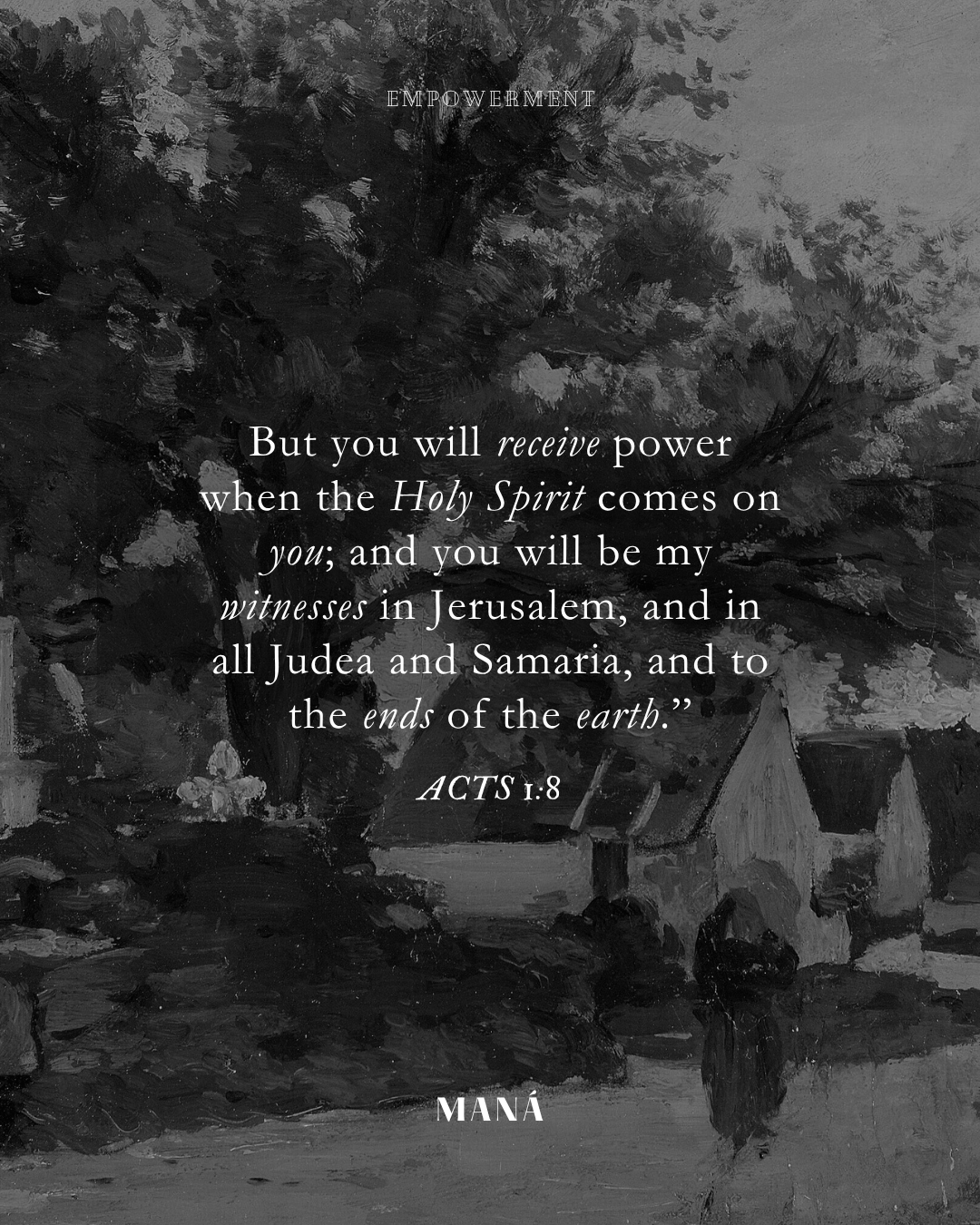
Charles François Daubigny. Village in Brittany, 1844.The Art Institute of Chicago
Related Verses
More verses about acting as a witness:

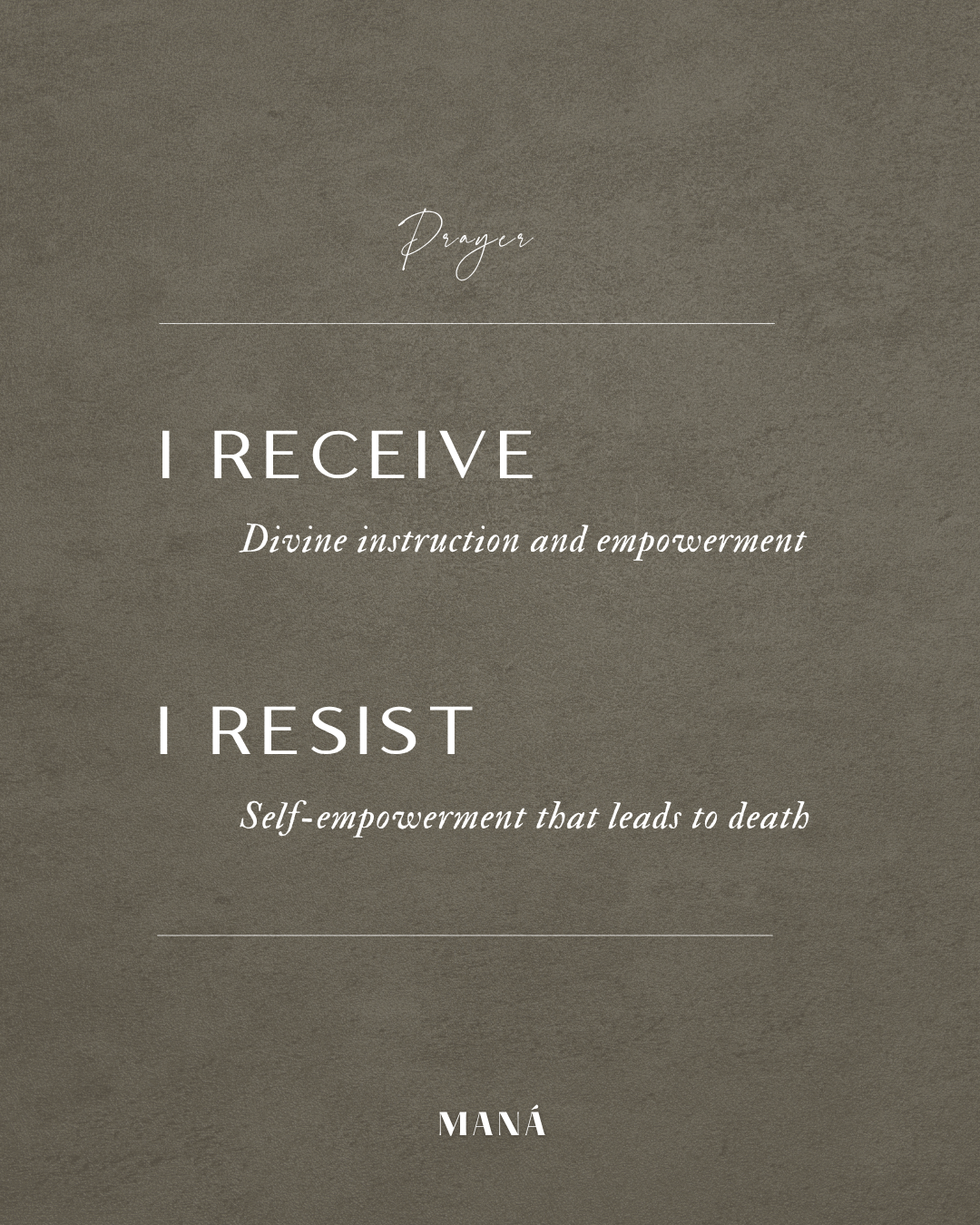
Prayer Invitation
Application Questions
- In what areas of your life are you distracted by worldly concerns instead of being focused on the Kingdom of God? How can you begin to change your priorities and put God front and center?
- Are you getting too caught up in your timing and expectations? How can you better let go of control and leave that responsibility to God? How can you learn to accept what has happened, even if the outcome is not what was expected or desired?
- Who in your life have you consciously or subconsciously written off, much like the Jews and the Samaritans? How can you be a better witness to those you have previously viewed as less than?
- How is your daily life evidence of the empowerment of the Holy Spirit as a witness? How is it not evident? What do you need to change to reconcile yourself to God’s purpose?




Leave a Reply