
Therefore, my dear friends, as you have always obeyed—not only in my presence, but now much more in my absence—continue to work out your salvation with fear and trembling, for it is God who works in you to will and to act in order to fulfill his good purpose.
Do everything without grumbling or arguing, so that you may become blameless and pure, “children of God without fault in a warped and crooked generation.” Then you will shine among them like stars in the sky as you hold firmly to the word of life. And then I will be able to boast on the day of Christ that I did not run or labor in vain. But even if I am being poured out like a drink offering on the sacrifice and service coming from your faith, I am glad and rejoice with all of you. So you too should be glad and rejoice with me.
Philippians 2:12-18
Scripture Notes
The entire chapter of Philippians 2 delves into the answer of how to be like Christ. We are told not to do anything from selfishness or vain conceit, and we should think of others before ourselves. Our example is Christ, who humbled himself in obedience even unto death. Jesus was not a showman full of parlor tricks and then greedily counted his coin behind closed doors. No, he showed genuine power of the spirit of God, and instead of living in splendor, he lived in poverty and accepted charity when offered. But for this reason, the humbling of the body, Jesus Christ has been exalted in heaven, and Jesus has been granted the glory of every tongue and every nation bowing at the sound of his name.
So, if Christ was such a great example, where does that leave us? We are not perfect like he was perfect. And yet, we are given a template, a guide of what a ‘Christ-like’ life should be like. Paul starts with obedience. If Christ was obedient even unto a horrible, demoralizing death, can’t we resist even the simplest temptations? Humans are clever creatures, especially Christians or those who follow a religion. We put on a show of piety, faithfulness, and adherence, but out of sight, we all, even the best of us, fall into the trap of vice and error. We are told to be the same in the sanctuary of our home as we are in the outside world, adhering to the standard of righteous behavior. This is more than not cussing, drinking, and smoking. This means not cheating your neighbor or cursing the foreigner. This means, as said in this same chapter, to think less of ourselves and go out of our way to help others. More often than not, obedience to Christ is going to be counter-cultural and the opposite of what any country or society is telling us how to act.
Too often, churches and religion emphasize acceptance of Christ as a turning point, a night-and-day transformation. While this is true on one side of the coin, the other reflects a continual, ongoing, intentional, daily decision to choose God’s way or our own. Each decision comes at a cost; it may be monetary, such as being generous rather than greedy, or it may require us to physically endure for longer, enter dangerous situations to save others, or stand up for our convictions, even if our hands are zip-tied. It can also be emotional, as we give energy and sympathy to those facing hardship, speak up, challenge others even when they attack us, and work toward resolutions instead of perpetuating divisions. Working out our faith is a practice, something we strive to improve at every day. This is not just done when there is an audience but also in the quiet spaces of our homes and the unseen work within our hearts. Being like Christ should become muscle memory, acting in natural and familiar ways. It is our aspiration, but it is challenging to achieve every day.
What should be our attitude when we go against the mindset of ‘getting what I can get?’ We are told to do everything without grumbling or complaining. But why? Complaining can also mean disputing. How could we have the gall to dispute God? Who do we think we are? Gods? It is the standard in our society to tout our accomplishments so that we can get ahead. Boasting is commonplace, and exaggeration is not out of the ordinary. The world tells us that humility is weak, but it is because the world is in the business of domination and oppression. Someone needs to be down so we can be up. But God is different. He is searching for the servant over the sovereign, the sinner over the saint.
Although God is for all people, those who recognize their faults, own up to their mistakes, and find themselves unworthy know the truth. They are found innocent, without blame, because Christ took the blame instead. He is the light of the world (John 8:12), and if we act like Christ, we should shine brightly to others. We should stand out not by condemning, oppressing, or taking, but through generosity, humility, and accountability. Dominion does not lead to light; sacrifice does. It is the paradoxical pattern of the gospel: to be first, you must be last. To get into heaven, you must give up all you have to the poor. Playing the game of life may get us ahead on earth, but the world is only temporary; a life in Christ is eternal.
After all that talk about not boasting, Paul states that he wants to boast on the day of Christ. What is that about? Paul is not talking about the boasting that guilts people, exaggerates his worth, or is for personal gain. He hopes that when Christ returns, his small mark on the timeline of history will be a bright spot, that his sacrifice and work were not in vain. But that is not enough; Paul extends himself to be poured out, completely reduced even unto death. Are we willing to extend ourselves beyond what is comfortable?
We do not have the same threats that Paul experienced or even what many people of faith contend with. But tolerance of faith should not give us security. It is a deceiving veil that lures into complacency and disconnection. In this state, faith becomes more like the Law, a set of rules we follow instead of a practice we live. Without challenge, Christian faith becomes more procedural than potent. The work we are called to do becomes less about affliction and more about contending with culture and image. Are we willing to stand out if society decides to diminish us? Our joy should be found in serving others, not serving ourselves. Self-care is necessary, but not all-encompassing. We should gladly serve without grumbling or disputing God’s good purpose. It takes sacrifice and humility, but our aspiration should be about being without blemish in the midst of a crooked and twisted generation. Only then can we experience the freedom of innocence and salvation we do not deserve.
MEMORY VERse

Odilon Redon. On the Horizon the Angel of Certitude, and in the Somber Heaven a Questioning Eye, plate four from To Edgar Poe, 1882. The Art Institute of Chicago
Related Verses
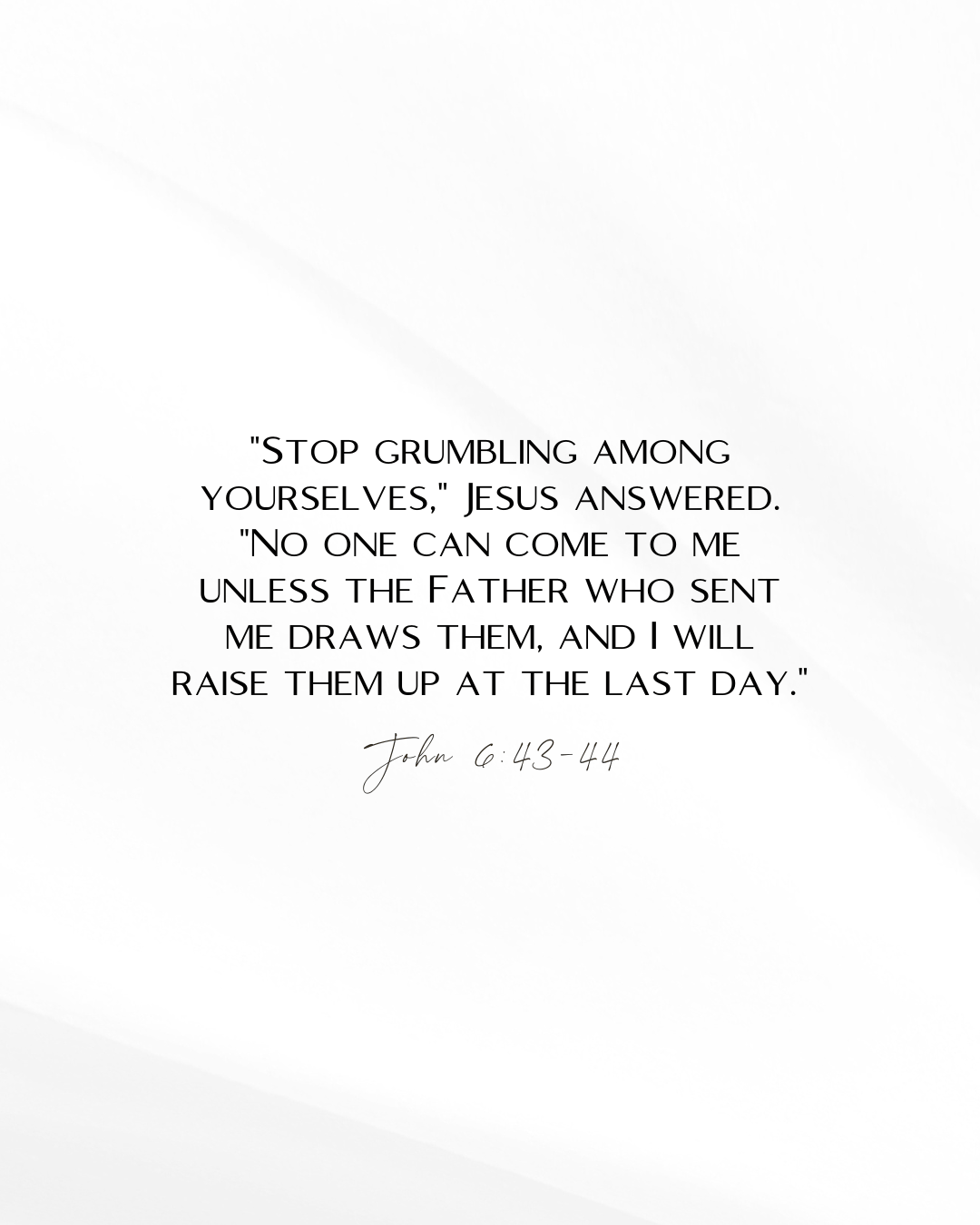
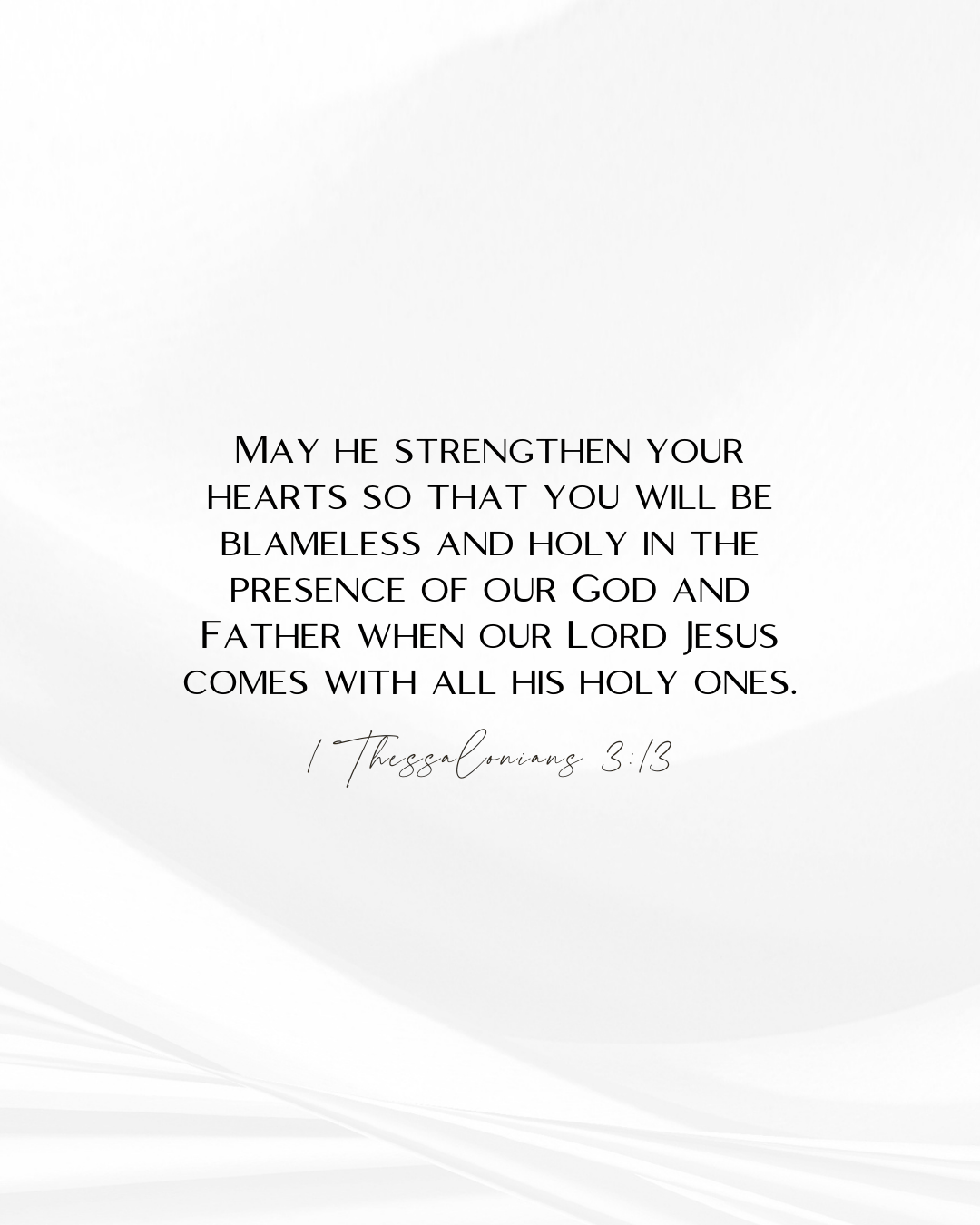
More verses about being blameless and serving others:

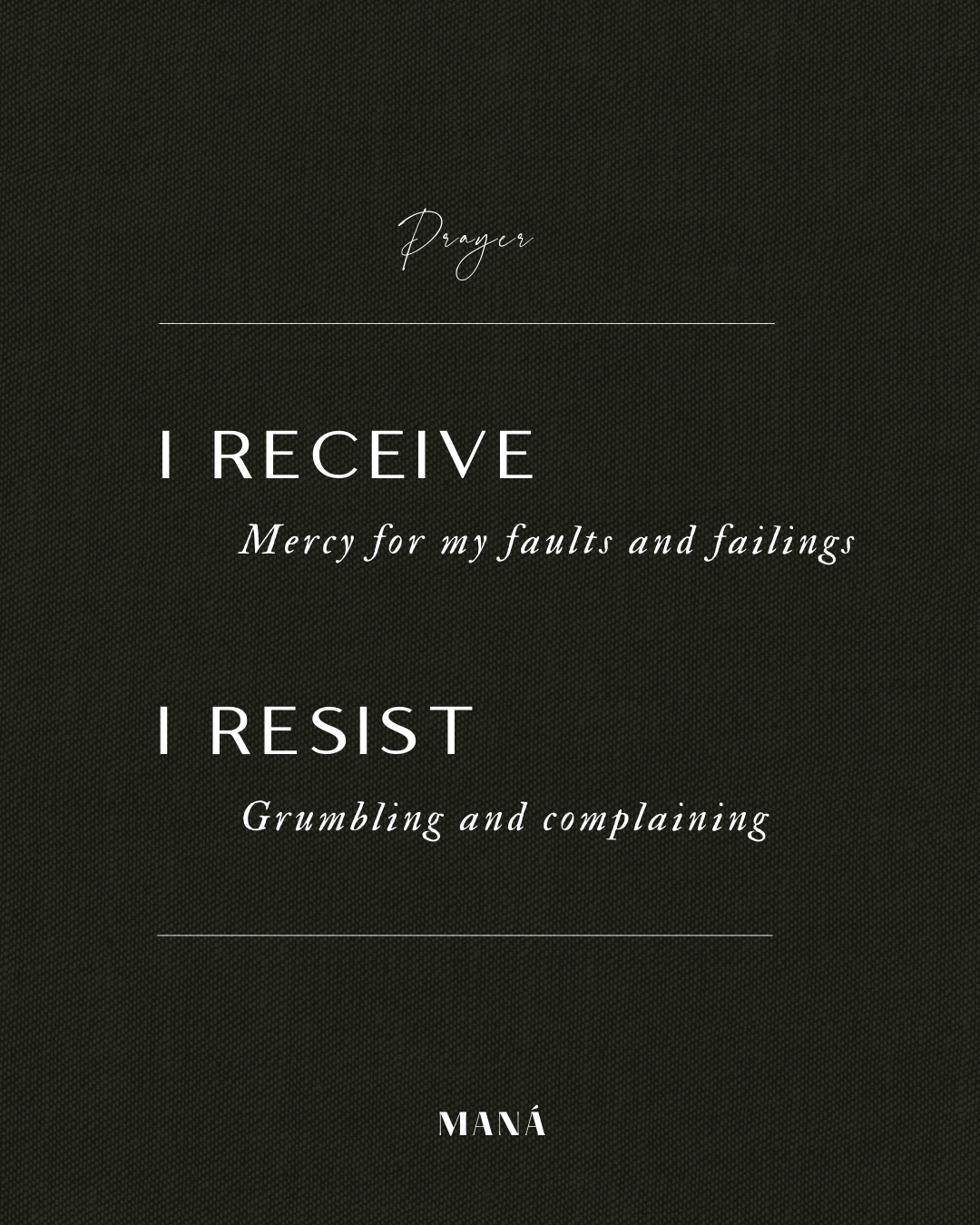
Prayer Invitation
Application Questions
- In what ways should you be “working out your salvation” more?
- How can you avoid grumbling and complaining, even in difficult situations, and instead trust in God’s good purpose?
- How can you “hold fast to the word of life” in a world that often resists or ignores it?
- How can you be a light of hope in a chaotic world that appears to hold much darkness?
Cover Image: George Inness. The Storm, 1876. The Art Institute of Chicago




Leave a Reply