
There is a time for everything, and a season for every activity under the heavens: a time to be born and a time to die, a time to plant and a time to uproot, a time to kill and a time to heal, a time to tear down and a time to build, a time to weep and a time to laugh, a time to mourn and a time to dance, a time to scatter stones and a time to gather them, a time to embrace and a time to refrain from embracing, a time to search and a time to give up, a time to keep and a time to throw away, a time to tear and a time to mend, a time to be silent and a time to speak, a time to love and a time to hate, a time for war and a time for peace.
Ecclesiastes 3:1-8
Scripture Notes
The idea of seasons is often used to recognize the ups and downs, the ebbs and flows, of life. Winter is a time for rest and recovery, and summer is a time of awakened adventure. With his reference to seasons, Solomon is not promising complete balance or suggesting that we should simply wait around. He is pointing out that there is good and evil, life and death, and suffering and joy. It is not possible to go through life without struggle, but even more so, we cannot truly appreciate happiness or goodness without experiencing darkness and despair.
It is important to interpret every verse in the Bible in light of the Lord’s commands and laws, including the Ten Commandments, the Great Commandment, and the exemplary life of Christ. Although Solomon states there is “a time to kill,” this does not license premeditated murder or violence. Even Christ did not desire violence in his name (James 1:19-20). He did not join the zealots demanding freedom from the Romans, nor did he condone Peter’s violence against the arresting soldier. The message is more about letting things run their course, a natural passing away. There are also unavoidable tragedies that cannot be explained (Psalm 11:5). But instead of staying in the darkness of our struggle, we have to learn and grow, seeking the light of hope and happiness.
If there is a time and a season for everything, we are still called to be active rather than idle. Just because something negative has happened does not mean we sit around waiting. It is important to work through and process our pain (Galatians 6:9). There is a natural rhythm beautifully exemplified in agriculture. New seeds are planted in the spring, grow in the summer, are harvested in the fall, and the land rests in the winter. But life is not like the cycle of a farm. Some seasons are completed in days or weeks, while others can take years, even a lifetime. Seasons also do not always end in success. Even so, we must continue onward, not too caught up in the past.
To everything is a season is a common phrase that is too often used to brush off hard times. This too shall pass, and “nothing lasts forever are also overused by people who are decidedly uncomfortable with working through struggle and conflict. There are good times, and we should enjoy them, but we cannot speed up, remove, or avoid hardship. We must recognize that we are not in control and that only God has sovereignty. His divine order gives us purpose, and we must work through acceptance of both the good and the bad. After all, even when man intends evil, God can bring about something good (Genesis 50:20).
MEMORY VERse

Théodore Rousseau. Landscape, c. 1860. The Art Institute of Chicago
Related Verses
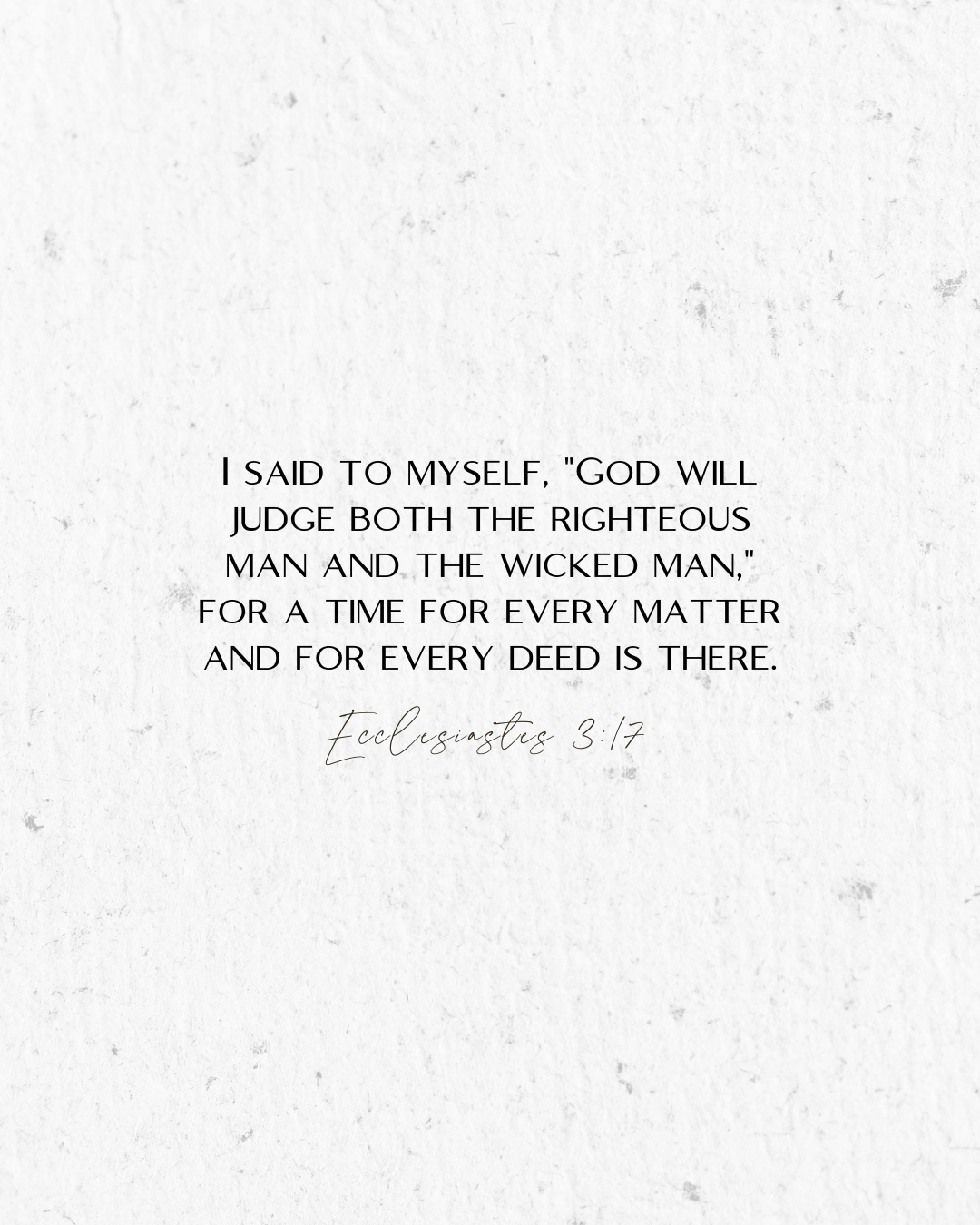
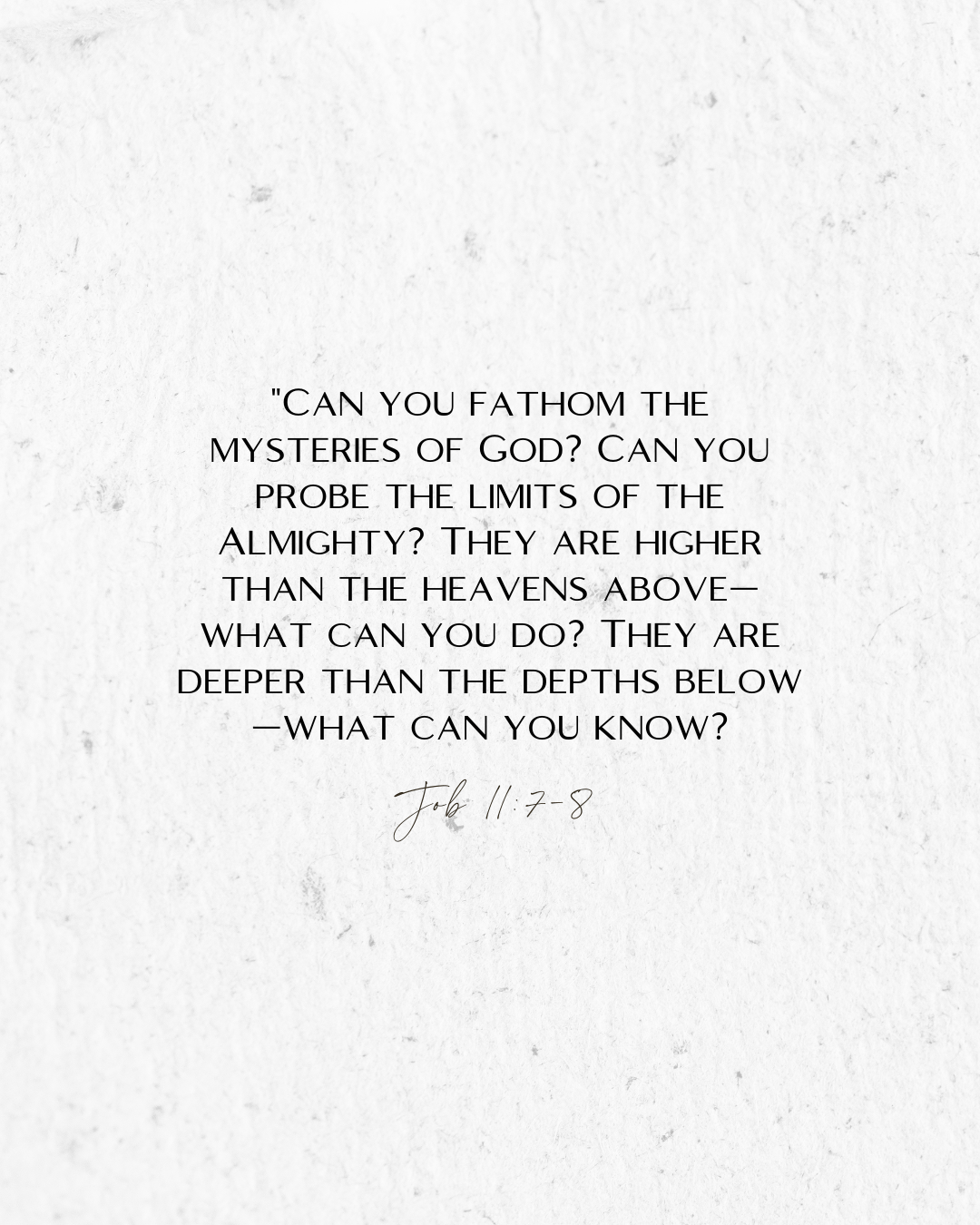
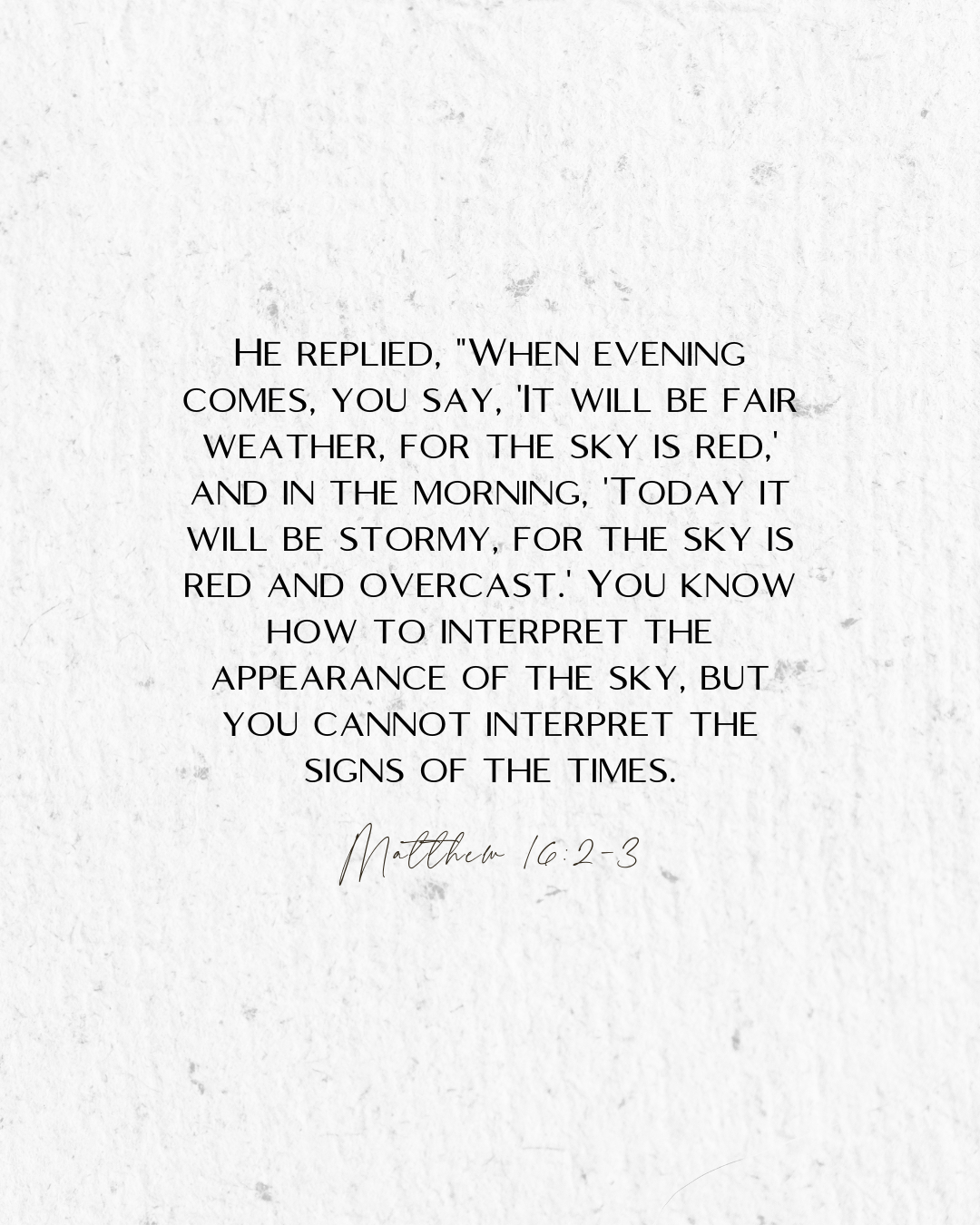
More verses about timing and seasons:
Prayer Invitation

Application Questions
- When looking back at times of confusion or struggle, can you see God’s purpose at work? How can you, in the present, be more reliant on God’s sovereignty rather than on yourself?
- Have you been struggling with God’s timing? In what areas have you been trying to rush or ignore the process? How can you be better aware of God’s timing rather than being so insistent on your own timing?
- How can you better cultivate a life of gratitude and satisfaction with your work and purpose rather than just focusing on the end result?
- When you see brokenness and injustice in the world, how does knowing that God is in control and is the ultimate judge affect how you respond to hardship?




Leave a Reply