Moses writes this about the righteousness that is by the law: “The person who does these things will live by them.” But the righteousness that is by faith says: “Do not say in your heart, ‘Who will ascend into heaven?’” (that is, to bring Christ down) “or ‘Who will descend into the deep?’” (that is, to bring Christ up from the dead). But what does it say? “The word is near you; it is in your mouth and in your heart,” that is, the message concerning faith that we proclaim:
If you declare with your mouth, “Jesus is Lord,” and believe in your heart that God raised him from the dead, you will be saved. For it is with your heart that you believe and are justified, and it is with your mouth that you profess your faith and are saved.
As Scripture says, “Anyone who believes in him will never be put to shame.” For there is no difference between Jew and Gentile—the same Lord is Lord of all and richly blesses all who call on him, for, “Everyone who calls on the name of the Lord will be saved.”
Romans 10:5-13
Scripture Notes
At the beginning of the chapter, Paul explains that Christ was the culmination of the law. Only he could ‘perfectly keep the Law and fulfill it’ (Matthew 5:17-20). Through the Law, people had to follow every commandment and law to have a whole relationship with God. Nobody could maintain such perfect obedience to the Law and so could not obtain eternal salvation.
Paul then connects the idea of humans’ inability to keep the Law with the impossibility of self-salvation regarding the gospel. He quotes Deuteronomy 30 multiple times, a book familiar to many in Israel. He clarifies that the gospel is not a remote concept, and that humans have no power in salvation other than accepting it. They cannot ‘climb up to the heavens to retrieve it’ nor ‘descend into the depths of the abyss to revive it.’ The gospel is alive and close to people’s hearts and minds.
So, what is Paul trying to explain to us? In this passage, he explains to the Jews that they should focus more on the Spirit in their hearts and minds and less on the Law. For us, we can recognize the nearness of the gospel by these points:
Confession and Belief
Confession comes before belief because the Incarnation comes before the Resurrection. The first step of faith is to recognize the truth in Jesus Christ’s life (gift), death (payment), and resurrection (forgiveness). This understanding leads a new believer to understand Christ’s deity and hold in their heart the promise of being united with him in heaven.
And being found in human form, he humbled himself by becoming obedient to the point of death, even death on a cross. Therefore God has highly exalted him and bestowed on him the name that is above every name, so that at the name of Jesus every knee should bow, in heaven and on earth and under the earth, and every tongue confess that Jesus Christ is Lord, to the glory of God the Father.
Philippians 2:8-11
Justification and Salvation
Belief precedes confession because one must have faith before the truth can be shared. Believing in Jesus as the Messiah goes beyond mere intellectual assent. A genuine acceptance of Christ as the Redeemer and the gift of salvation is essential. The inevitable result is a confession of change in a person’s life. True transformation stems from sincere conversion, creating an innate need to share what has happened with others.
When I saw him, I fell at his feet as though dead. Then he placed his right hand on me and said: “Do not be afraid. I am the First and the Last. I am the Living One; I was dead, and now look, I am alive for ever and ever! And I hold the keys of death and Hades.
Revelation 1:17-18
Anyone can believe in the gospel. It is near, waiting in our mouths and hearts for us to affirm our belief and allow the love of Christ to fill us with truth. God made a covenant with Israel that He would not leave or forsake them, but through Christ, that covenant is extended to everyone. Through Jesus Christ, people can unite, regardless of their heritage, nationality, or culture. The gift of salvation is available to all who accept it.
And everyone who calls on the name of the Lord will be saved; for on Mount Zion and in Jerusalem there will be deliverance, as the Lord has said, even among the survivors whom the Lord calls.
Joel 2:32
MEMORY VERse
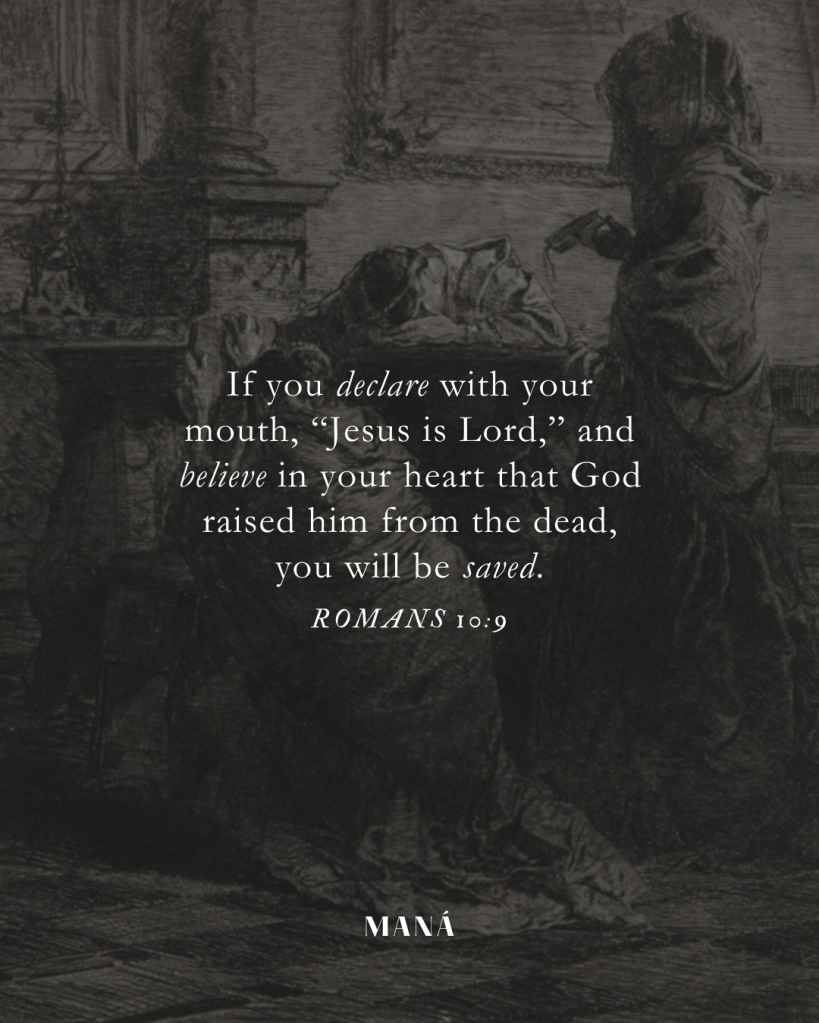
Image: Mosè di Giosuè Bianchi. Women in Prayer, 1855 – 1886. The Rijksmuseum
Related Verses
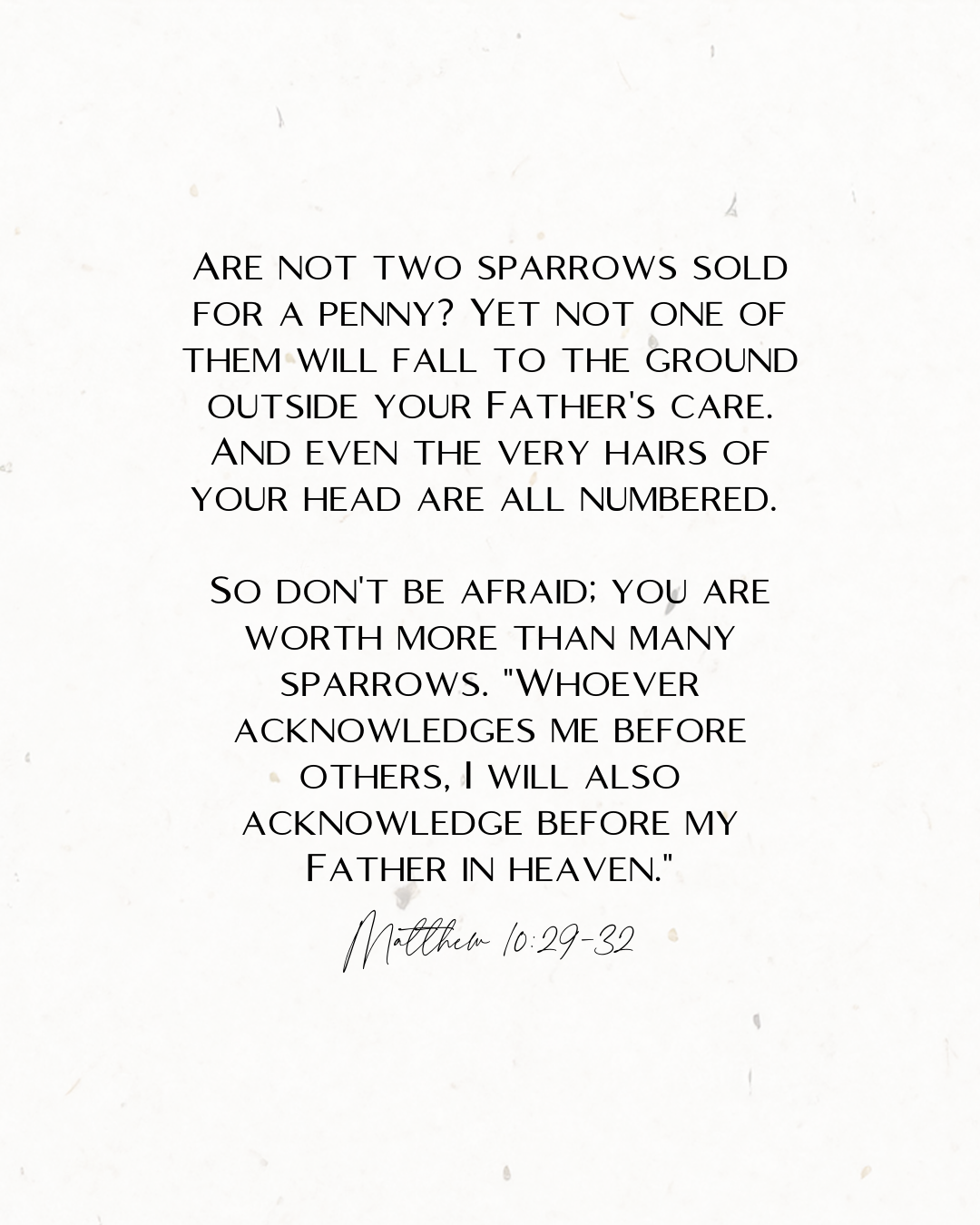
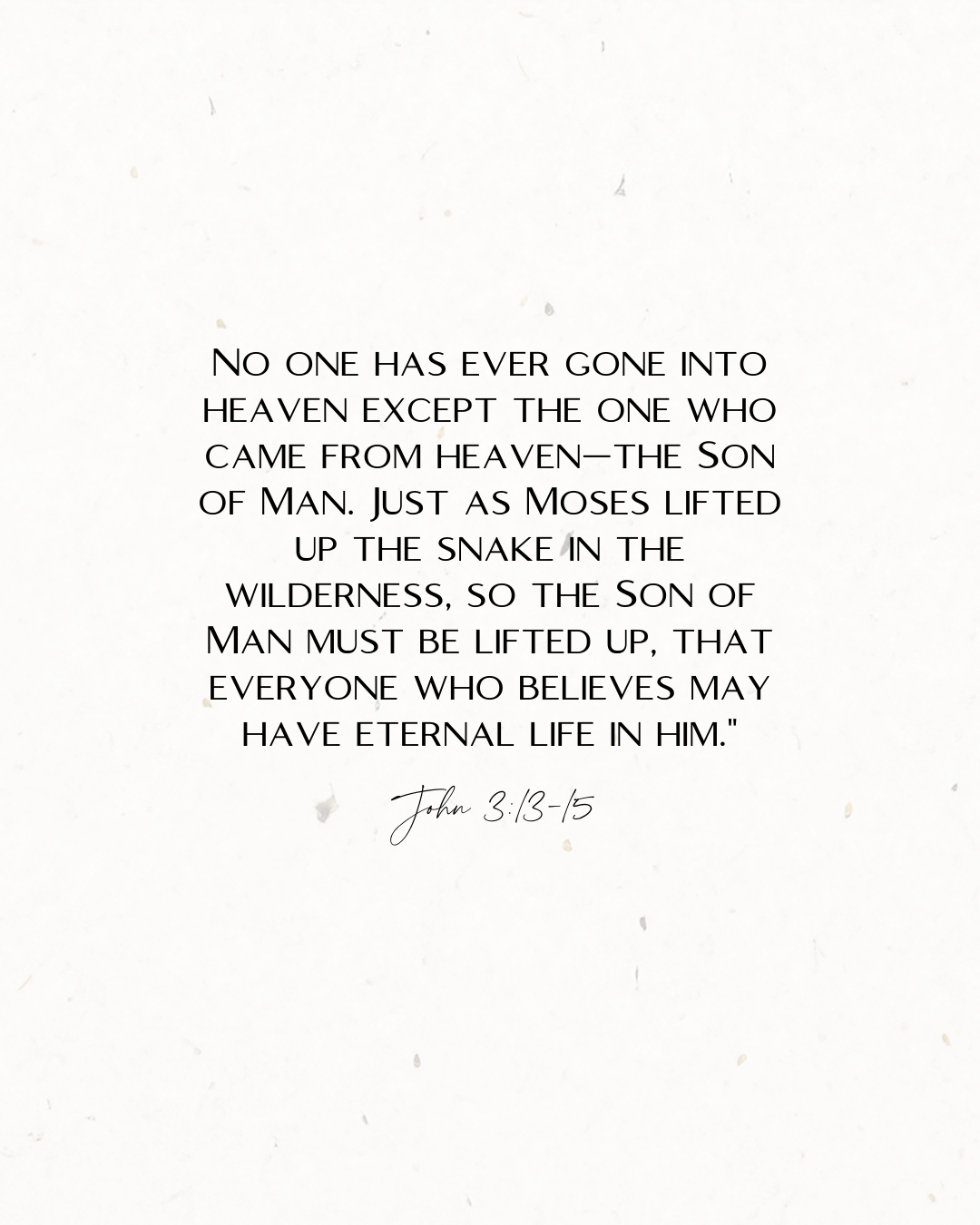
More verses about confession and belief:
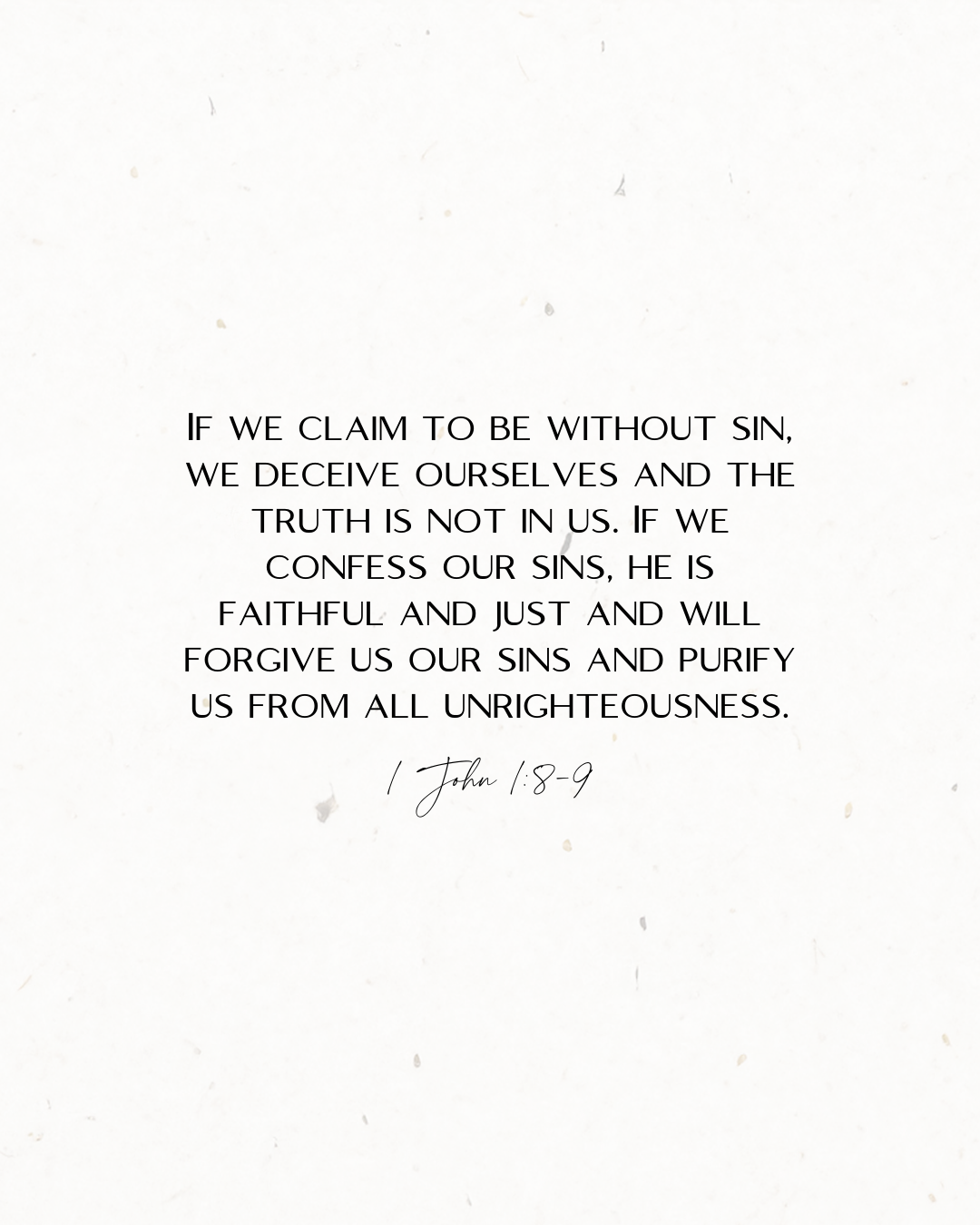
Prayer Invitation
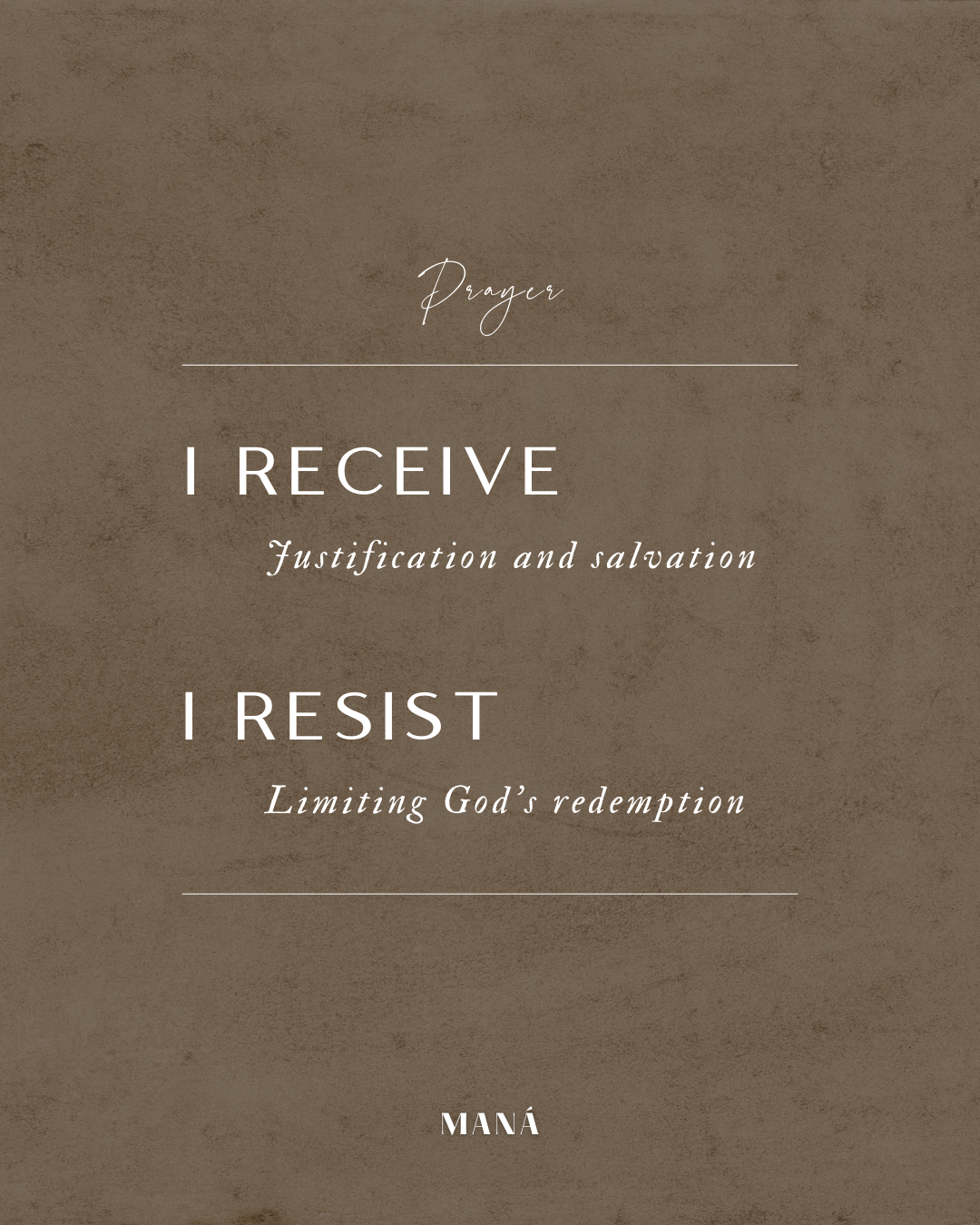
Application Questions
- In what ways can you cultivate a faith rooted in the righteousness of God rather than self-righteousness?
- What do these verses teach us about human responsibility in hearing and believing and God’s sovereignty in salvation?
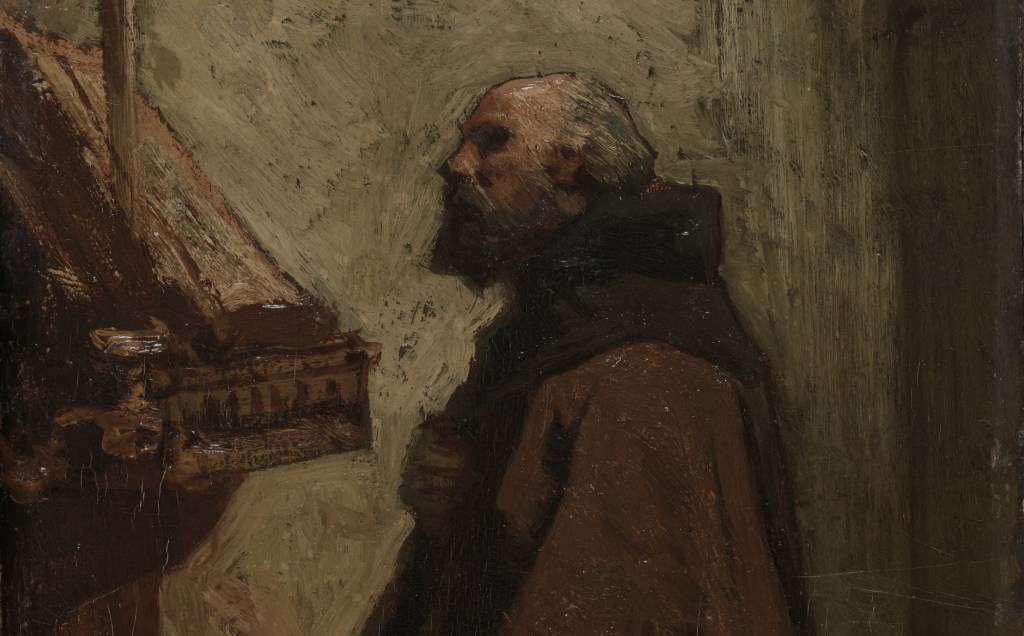
Cover Image: Jacob Maris. Praying Monk, 1864. The Rijksmuseum




 MANÁ
MANÁ 
Leave a comment