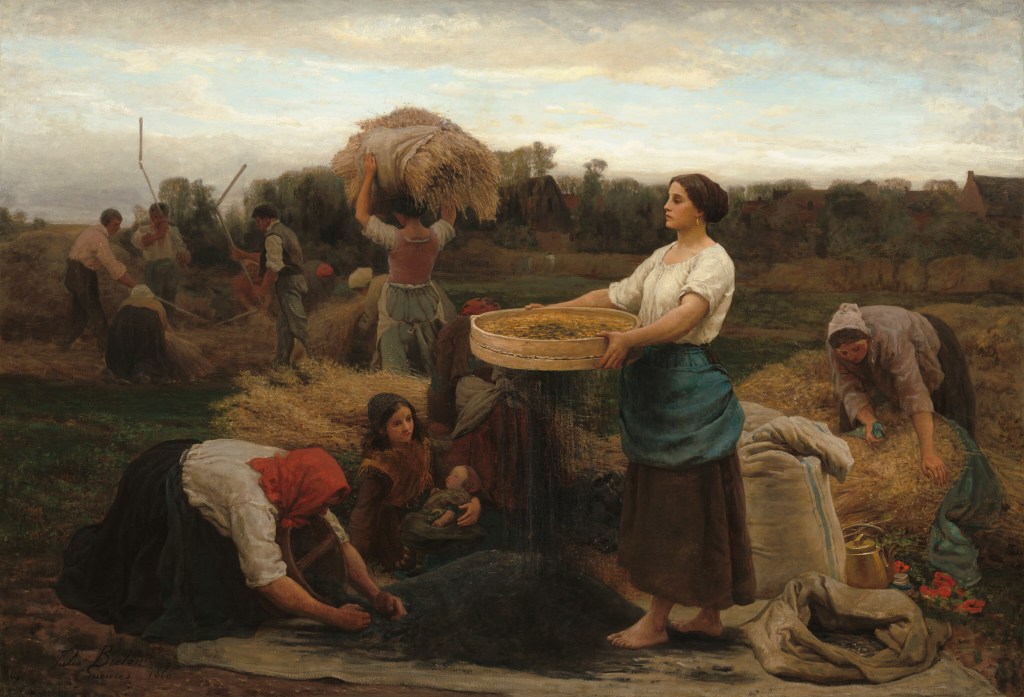
But Ruth replied, “Don’t urge me to leave you or to turn back from you. Where you go I will go, and where you stay I will stay. Your people will be my people and your God my God. Where you die I will die, and there I will be buried. May the Lord deal with me, be it ever so severely, if even death separates you and me.” When Naomi realized that Ruth was determined to go with her, she stopped urging her.
Ruth 1:16-18
Scripture Notes
The story of Ruth has long been cherished as a tale of devotion by believers, but we often overlook the true sacrifice she made when choosing to follow Naomi. Ruth’s decision was not just a kind gesture but a life-changing choice with an uncertain future. Imagine converting to Judaism today or at any point in history. Ruth saw something in Naomi’s faith: when the older woman chose to return to her people, she recognized something greater than the life she was leaving. Ruth had the security of staying with her family, never having to abandon her people, homeland, or gods. Yet, she chose to follow Naomi and leave everything behind.
Naomi decided to return to Judah after hearing that the famine had ended. She immediately set out with Orpah and Ruth, but during the journey, she decided that the young women should return home. What did they experience along the way? How much did they suffer from hunger? Did Naomi foresee her own potential struggles and want to protect the young women from being left alone? Did the two Moabite women encounter unwanted or potentially compromising attention? We do not know. Whatever her reasons, Naomi wisely recognized the hardships the young women might face and chose to release them from their family bond. How many Naomis and Ruths are out there worldwide, hoping for a new start, but face immense hardships?
For the safety and security of her daughters-in-law, Naomi attempts to persuade them to return home. The older woman knows she is about to face hunger and a life of destitution. She may even imagine returning home only to live a few short days there, but what of the young women? Who would want to marry outside their ethnicity, faith, and culture? Both women weep because they know that they will never see each other again, but only Orpah agrees to return to her people. How she does so after traveling on the road to Bethlehem, we do not know. What we do know is that, despite the disadvantages a Moabite woman faced in Judah, Ruth chose to remain with Naomi.
Ruth chose a bitter woman of a different ethnicity, faith, and culture to be her maternal protector, and we do not know why. It could be that her old home life was a disaster, or the men in her village were dreadful prospects, or the gods of the Moabites had lost their esteem. Whatever the reason, Ruth felt compelled to be a stranger in foreign lands, where she knew she would be considered inferior, but she would be free to worship this new God of the Israelites. A deity whom she had been taught was mighty and just. When Ruth stepped forward to enter the gates of Bethlehem, she was uprooting her old life and was attempting to build something new, as vulnerable and lowly as she was.
The new life would not be one with remnants of her old life, bringing with her the gods and customs of her heritage, but she would establish a new faith. Perhaps Naomi’s urgency in returning to her people and the stand that she would no longer live among the Moabite gods propelled Ruth on the path of conversion. After nearly a decade together, neither Orpah nor Ruth had come to know the Lord personally, but they knew Him through the faith of their husbands and their mother-in-law. But practice is only as good as its conviction. Once Naomi put practice into action, Ruth decided to follow her.
Despite her initial motives or knowledge, Ruth moved from disbelief to belief, acknowledging the sovereignty of the one true God. Even if it meant losing Naomi or her own life, she was willing to sacrifice everything for honor, devotion, and loyalty. As they reached Bethlehem, Naomi returned to her homeland, bitter and resigned to her misery, but Ruth entered the city with a new identity as a person of faith. Although she knew she would face scorn from Israelite society, she knew who she was—an impoverished immigrant woman who chose to trust God in her despair. Although she was a foreigner with a different background and ethnicity, she would one day become part of the lineage of Christ.
MEMORY VERse
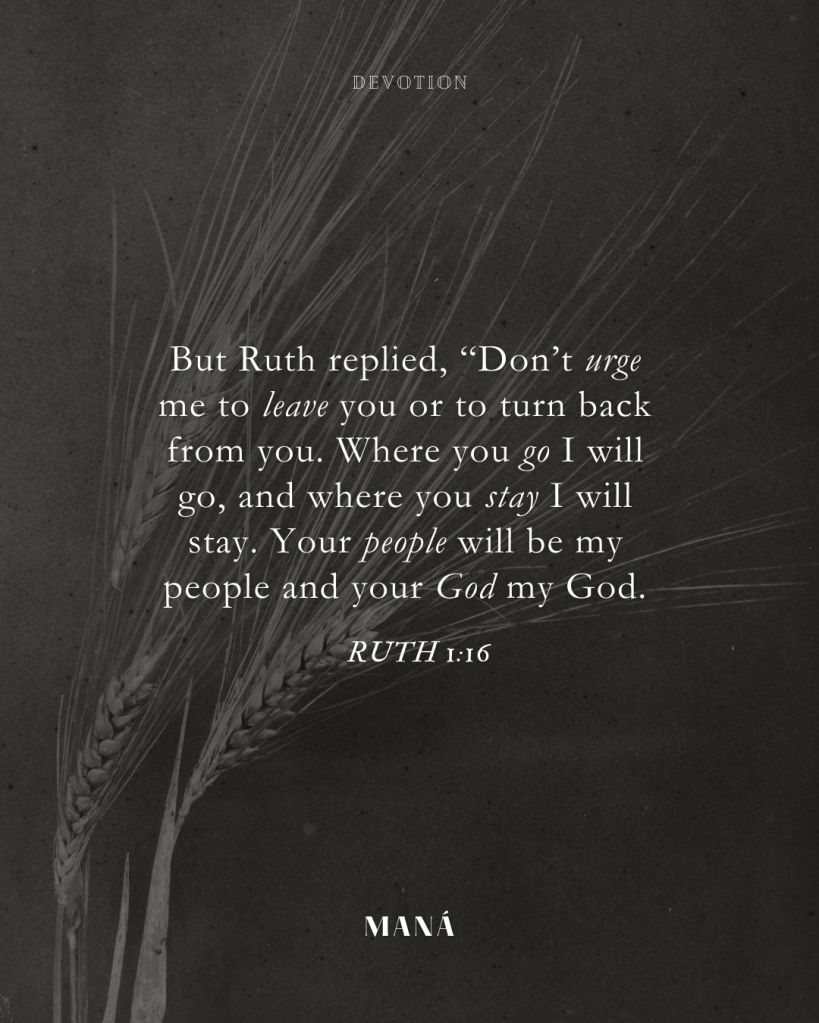
Richard Tepe. Ears of barley against a plain background, c. 1900 – c. 1940. The Rijksmuseum
Related Verses
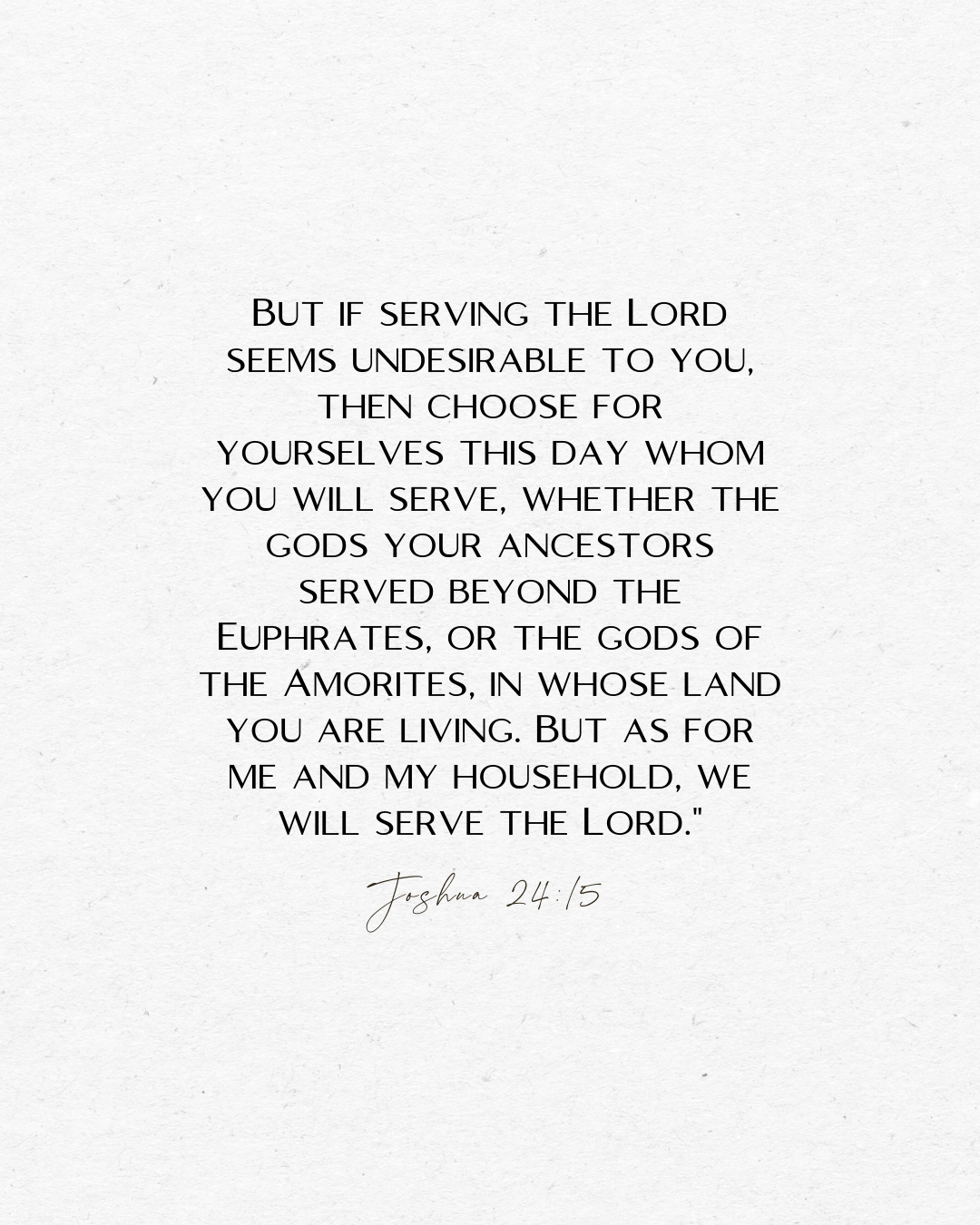
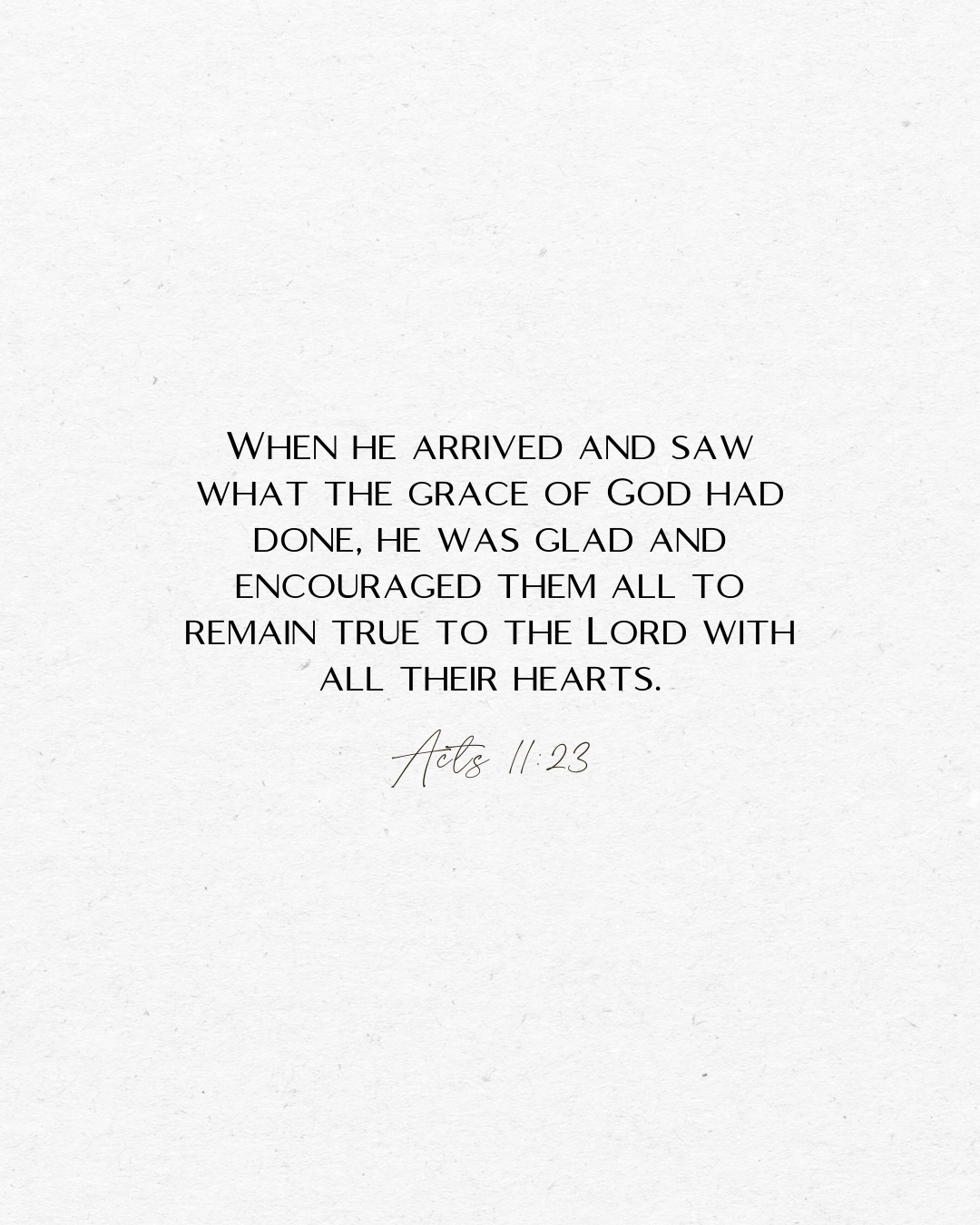
More verses about sacrifice, devotion, and loyalty:

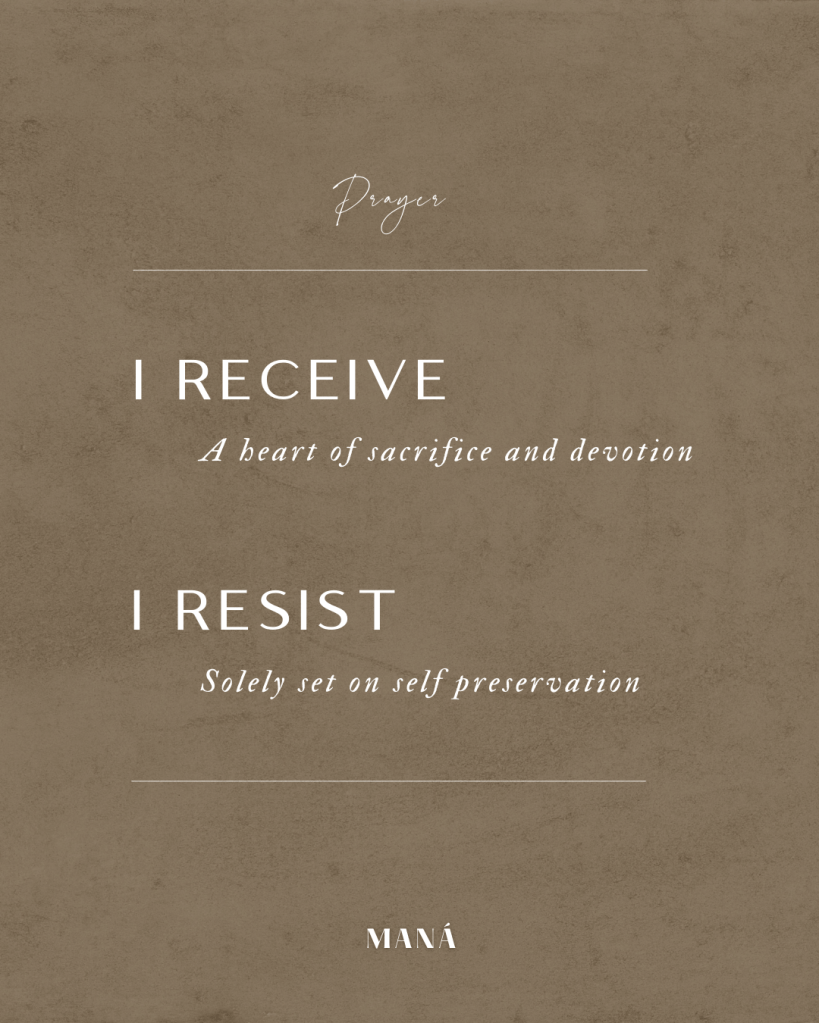
Prayer Invitation
Application Questions
- Ruth left her culture, religion, and home for an uncertain future. What comfort zone or past identity are you being asked to leave and follow God instead?
- What relationships are you being called to show unconditional loyalty, even when it is inconvenient or comes with a cost?
- During the season of loss and turmoil, how can you trust God’s greater purpose in your life?
- What compromises are you making in our faith that cause others to be lukewarm to the message of grace? What can you do to walk in faith with more conviction?
- Are people looking at your life and saying, “I want your God to be my God?” If not, what changes can you make in your words and actions to cause this kind of response?

 MANÁ
MANÁ 
Leave a comment