“You are the salt of the earth. But if the salt loses its saltiness, how can it be made salty again? It is no longer good for anything, except to be thrown out and trampled underfoot.
“You are the light of the world. A town built on a hill cannot be hidden. Neither do people light a lamp and put it under a bowl. Instead they put it on its stand, and it gives light to everyone in the house. In the same way, let your light shine before others, that they may see your good deeds and glorify your Father in heaven.
Matthew 5:13-16
Scripture Notes
Many of us have heard the phrase “salt of the earth,” but may not fully grasp its meaning. Often, people interpret it as a call to be kind or as an implication that our salvation is at risk. In reality, it calls us to be distinctive in our words and attitudes—standing out from others—and to break away from cultural norms, social expectations, and tolerances. We are then to leave a meaningful impression, marked by substance and quality. Without this distinction and action, our impact diminishes, and we become lost among the crowd. It is not our salvation that’s at stake, but our purpose—to offer hope and life-giving substance. Being a Christian goes beyond checking a box on a census or attending church on Sunday; it is a sacrificial life focused less on ourselves and more on glorifying our Maker, bravely bringing hope even amid ridicule or rejection.
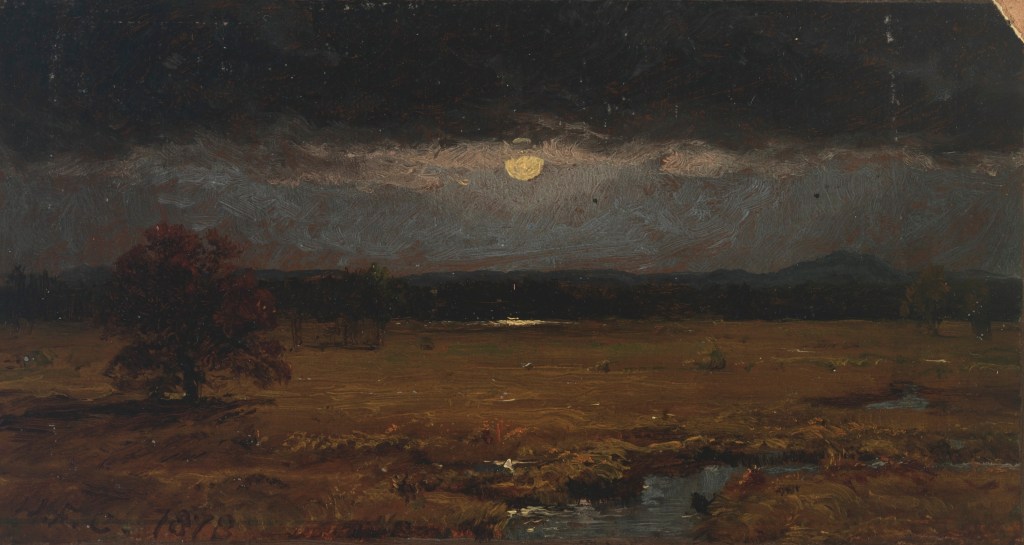
Now we come to one of the most misinterpreted verses in the Bible. When we are called to be the light of the world, it is not about believers being superior or elitist compared to other faiths. Too many people see this call as a way to garner attention and favors, but in truth, we are merely to reflect the light of Christ within us. Like the moon reflects light from the sun and does not produce it itself, we too are meant to open the door to love and hope in a world layered in darkness. To be a light is to be humbly removed from our egotistic shadow, which covers up the full glory of God.
Likewise, a town built on a hill cannot be hidden, which does NOT imply anything nationalist or patriotic. All too often, we take a biblical message and cloak it in political, capitalistic, or individualistic tones. The verse is to lead us not to be conquerors or destroyers of perceived enemies, but to be a beacon of hope, a place of safety, and plainly visible. Our hope in Christ should not be covered or disguised to appear as no different from the hopelessness in the world. There is a hunger for truth and hope that most people are not even aware of until they finally hear the truth or see light from the blackness. It is then that those who are hopeless cling to what is good. But where are the believers? If we give in to the darkness, we do a disservice to our fellow man by depriving him of light. We should proudly place ourselves out in the open, not with nationalist pride or with personal boasts, but as a vessel for good, supplying a visible goodness that cannot be ignored. Goodness that takes the form of words, actions, thoughts, motives, lifestyle, presence, and focus. We are to be a shining example of faith even amidst hardship and failure.
Let’s remember that, apart from Jesus Christ, everyone in scripture had flaws. We are not required to be perfect or to make every action a public display. We are relieved of unnecessary pressure because we were designed as imperfect vessels. Instead, our daily goal should be to deepen our relationship with God and strive to be more Christ-like. This applies even when we stumble or fall. The real question is: where or to whom do we turn when things go wrong—man, ourselves, work, politics, influencers? While doing good is vital, it’s equally important to humbly accept responsibility for our mistakes and consider our to restore what may have been damaged or broken. We get to make amends. Cancel culture is a man-made device and does not reflect God’s character or the Christian faith. Everyone deserves redemption and compassion, and no one is superior to another.
Again, when we are called to let our light shine before others, it isn’t for our own glory. Like the prophets and disciples of old who healed and performed miracles, they always credited God rather than seeking praise or payment for themselves. In a world that often expects us to seek gains or advantages in every situation or interaction, we are called to ignore social pressures of self-interest, competition, and personal importance. Instead, we are to adopt a sacrificial, community-focused, and inclusive attitude—viewing others with compassion instead of condemnation. While we may not be the source of the light, we have both the duty and the privilege to reflect Christ’s light to those around us. When we remove our own barriers, rays of His light can finally shine through the darkness, cutting through the chaos and madness around us.
MEMORY VERse

Odilon Redon. The Book of Light, 1893. National Gallery of Art
Related Verses
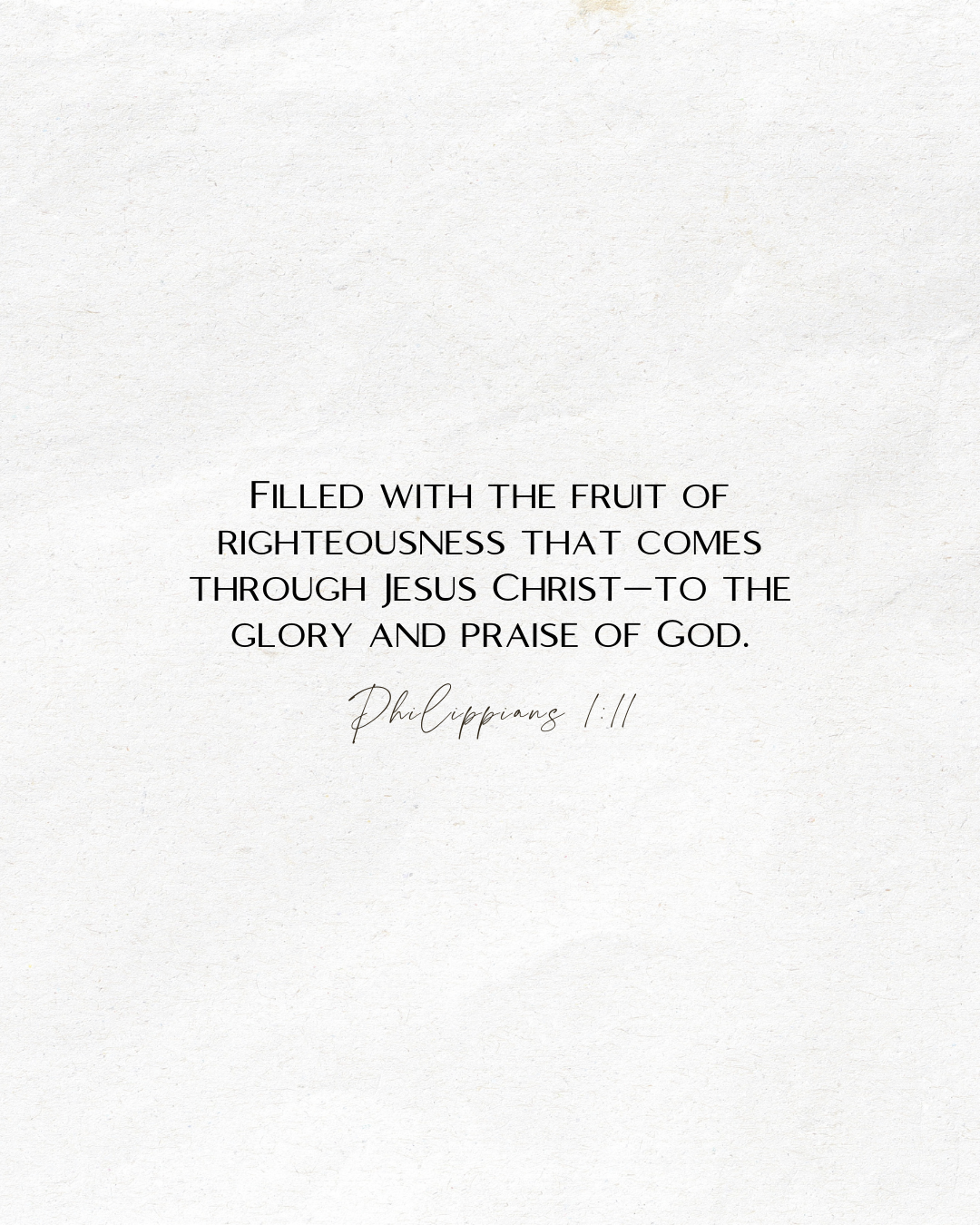
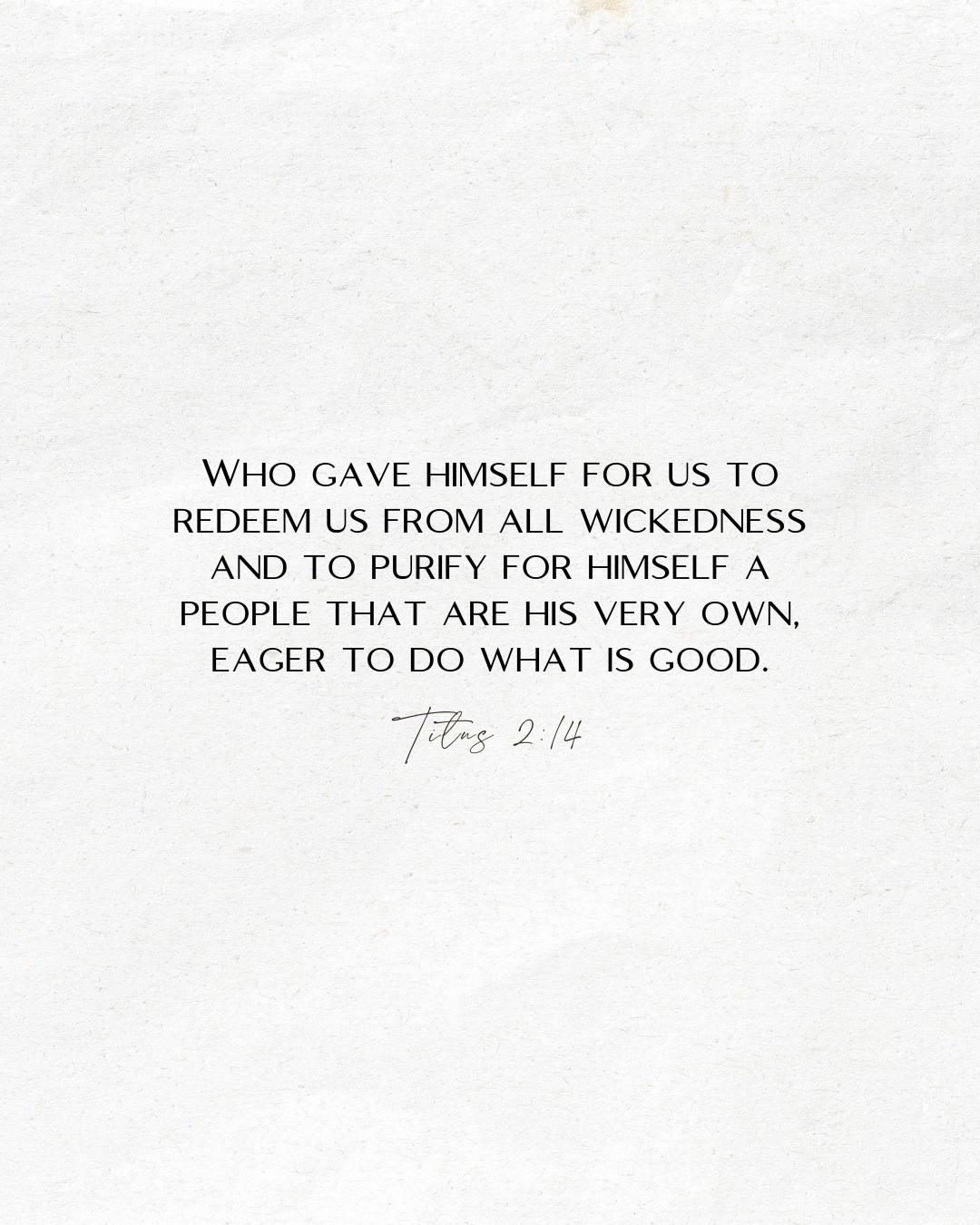
More verses about visible goodness for God’s glory:

Prayer Invitation

Application Questions
- How can you better respond to the wrongdoings of others in a way that highlights God’s abundant grace and glory?
- In what aspects and areas of your life might you be diminishing your impact or purpose? Are your friends, family, and colleagues aware of your faith?
- What are some specific ways you can shine your light while remaining humble and keeping the focus on God?
- What is a single powerful act of kindness or selflessness you can do right now to influence those around you?



 MANÁ
MANÁ 
Leave a comment