May God himself, the God of peace, sanctify you through and through. May your whole spirit, soul and body be kept blameless at the coming of our Lord Jesus Christ. The one who calls you is faithful, and he will do it.
Brothers and sisters, pray for us. Greet all God’s people with a holy kiss. I charge you before the Lord to have this letter read to all the brothers and sisters.
The grace of our Lord Jesus Christ be with you.
1 Thessalonians 5:23-28
Scripture Notes
Born into our sinful nature, we should not have hope for salvation. We live, we die, and that should be the end of things. But God offered his only son, a living sacrifice free from blemish or sin, who took on the suffering of death in our place. We are then given the free gift of grace and are sanctified by the God of peace, who never intended for us to save ourselves with our own power. We have been made in His image (Gen. 1:27) and are considered his children, heirs to His kingdom (Rom. 8:17). But what does sanctify mean?
The four phases of sanctification:
BEFORE CONVERSION: The preparatory work of the Holy Spirit to draw and convict the unbeliever into repentance and faith. (1 Cor. 7:14, 2 Thess. 2:13, 1 Pet. 1:2)
POSITIONAL OR PIVOTAL: The declaration of faith and being born again. (Acts 26:17-18, 1 Cor. 6:9-11)
PRACTICAL OR CONTINUAL: The lifelong process of becoming more Christ-like. (2 Cor. 3:18, 2 Tim. 2:21, Eph. 5:1-2, Philip. 2:5-11, etc)
PERFECT OR COMPLETE: When we enter heaven and are faced with the presence of God. (Col. 3:4, 1 John 2:28, 1 John 3:1-3,
Our whole being—spirit, soul, and body—is to be set apart. The three feed into each other and cannot be rigidly separated. The order of importance—spirit, soul, body—is significant. While our physical needs often guide us, we are called to focus on the Spirit (Gal. 5:16). It is through the Spirit that we connect more deeply with our spiritual selves. True change, growth, and transformation originate in our spirit and then manifest physically. We are called not just to think, sense, or go through the motions of doing the right things. We are to live, breathe, and embody a life of grace and compassion as someone who was wandering in darkness and has suddenly been brought into the light. By our innermost being, we should evoke the very nature of Christ, resisting the urge for self-reliance or falling into the traps set by the Deceiver.
Three essential practices remain: prayer, greeting one another, and reading the truth. We are constantly encouraged to pray, as communication with the Lord is vital to a believer’s life, just as breathing is. Our prayers should extend to ourselves, fellow believers, neighbors, the community, and leaders. We should also pray for our enemies and avoid condemning them. Additionally, greeting one another is important. While a kiss isn’t customary in our culture, the trust and vulnerability it signifies are universal. We should treat other believers as friends rather than strangers. Lastly, we are instructed to read and study the Word, not to rely solely on the thoughts and opinions of others, even pastors. In these ways, we can apply practical holiness to our lives and to our community.
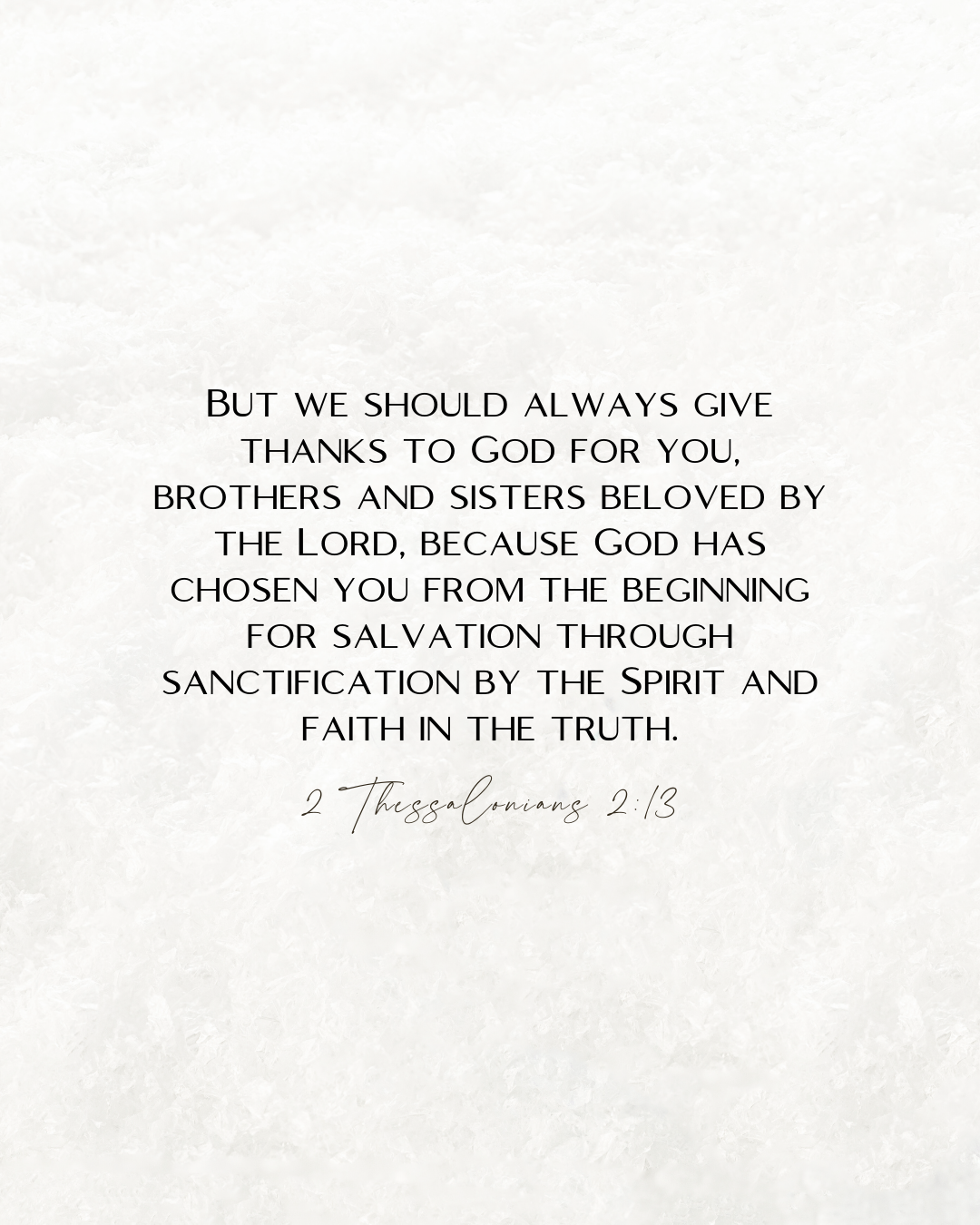
MEMORY VERse
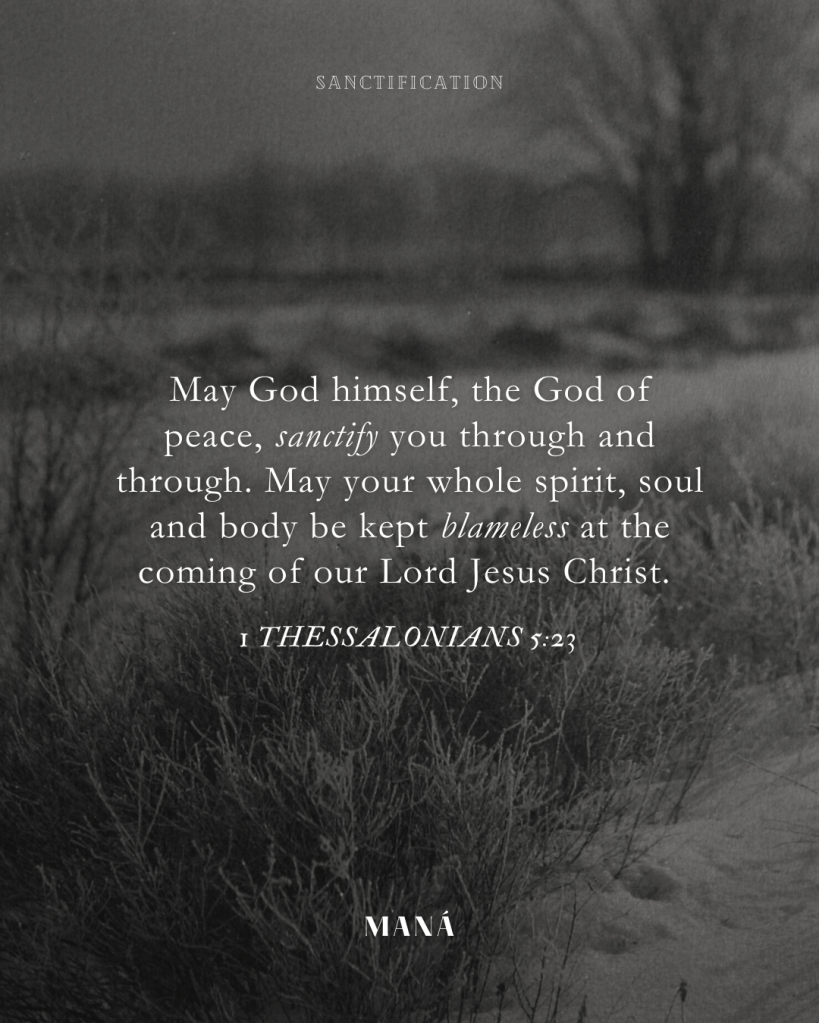
William B. Post. Untitled [Snow and Grasses], 19th-20th century. The Minneapolis Institute of Art
Related Verses
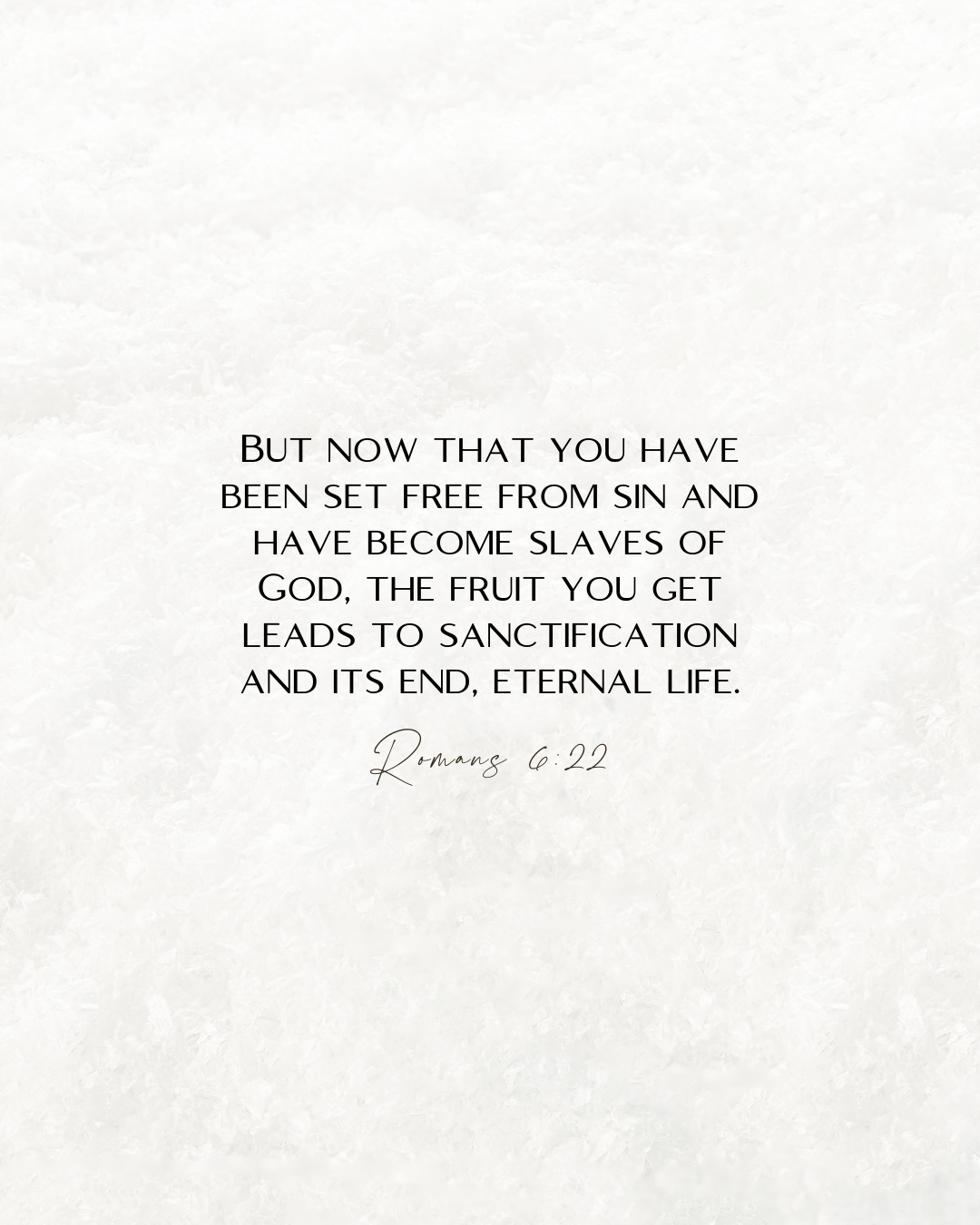
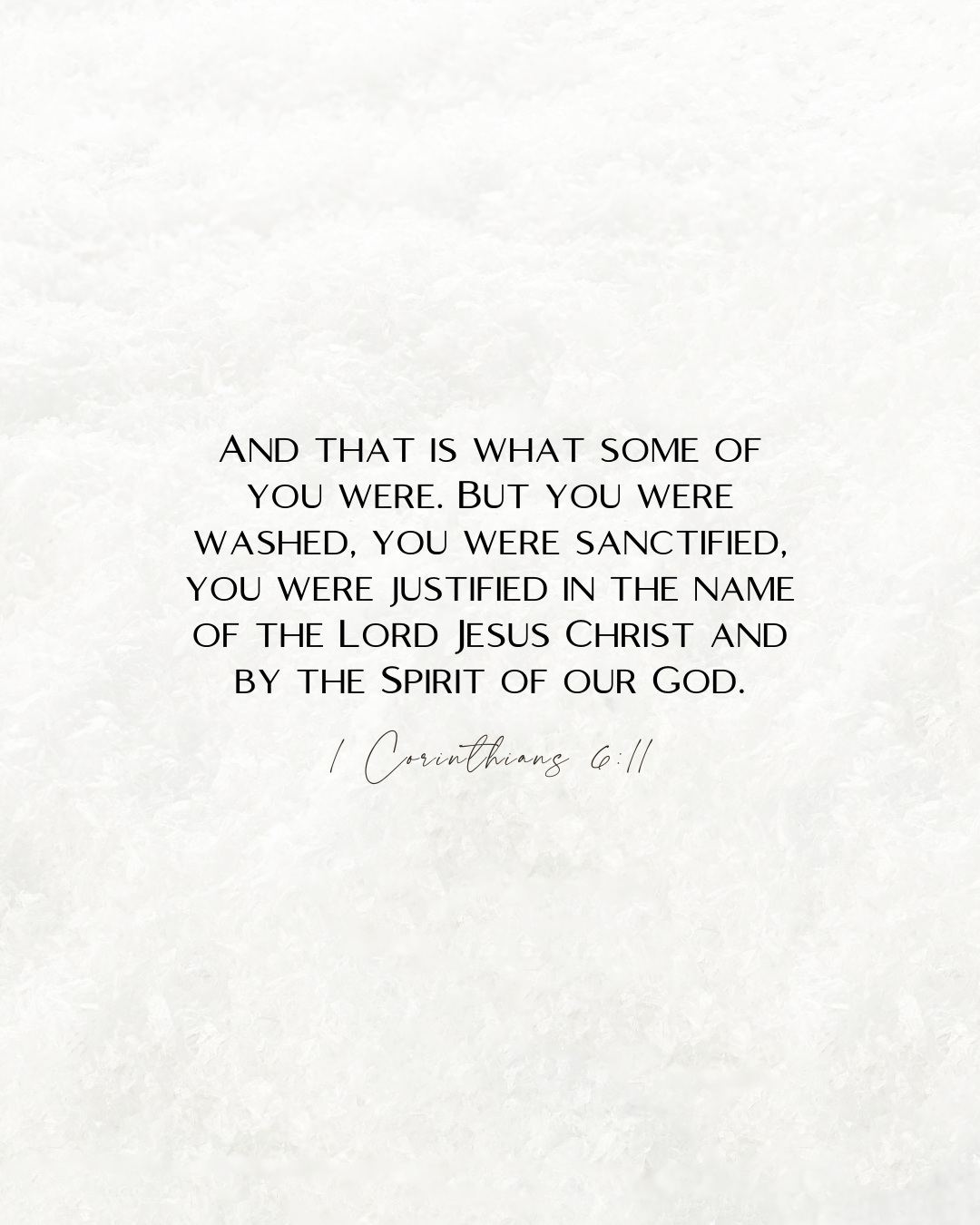
More verses about becoming blameless:

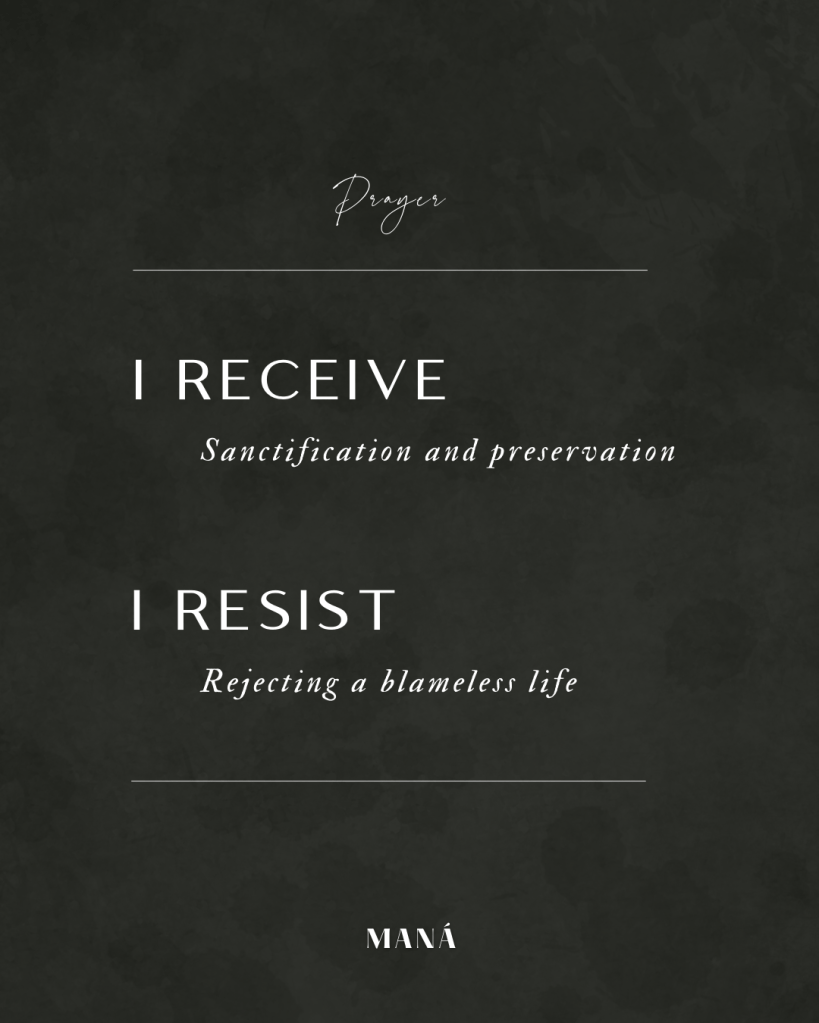
Prayer Invitation
Application Questions
- What does “being kept blameless until the coming of our Lord Jesus Christ” mean to you, and how does it affect your daily life?
- How can you extend grace to others, mirroring the grace you’ve received from Jesus?
- What are some specific, actionable steps you can take to live more fully “sanctified in spirit, soul, and body”?


 MANÁ
MANÁ 
Leave a comment