
Then the Lord came down in the cloud and stood there with him and proclaimed his name, the Lord. And he passed in front of Moses, proclaiming, “The Lord, the Lord, the compassionate and gracious God, slow to anger, abounding in love and faithfulness, maintaining love to thousands, and forgiving wickedness, rebellion and sin. Yet he does not leave the guilty unpunished; he punishes the children and their children for the sin of the parents to the third and fourth generation.”
Exodus 34:5-7
Scripture Notes
Connecting with the ancient lives in the Bible is challenging today. Although Moses lived thousands of years ago, God’s unchanging nature means we experience the same God as Abraham, Isaac, Jacob, Hannah, Mary, Paul, Deborah, Peter, Esther, John, and many others. The message of salvation was not only for the Israelites but extended to all, welcoming everyone into God’s family. Importantly, God does not discriminate based on class, nation, lineage, language, or culture. Everyone is offered the gift of salvation and will be judged individually for their actions.
The first qualities we notice about God are His compassion, grace, patience, love, faithfulness, and forgiveness. His initial reaction is not anger or wrath but patience and kindness, as He desires us to return to Him. Often, people see the God of the Old Testament as angry and violent, while viewing the God of the New Testament as more compassionate. However, separating these images is impossible because God is both the God of judgment and the God of mercy. He has stated He will punish the wicked (Micah 6), yet remains faithful to forgive. This world’s nature is such that human choices have consequences—decisions, actions, or neglect ripple out and impact others. Above all, we must remember that God sacrificed His own Son so we could have life (John 3:16).
And yet, mercy and justice go hand in hand. God is merciful, even if we are judged according to our guilt. What kind of life would this be if no one were held accountable? Could we put our trust in God if the guilty were never punished? Instead of condemning others, we must look inward and recognize our guilt. But slow to anger, God forgives. He forgives those who forgive others (Matt. 6:14-15), those who have confessed their guilt (1 John 1:9), and those who have been redeemed by the blood of Christ (Eph. 1:6-10). Human nature causes us to react in anger, judgement and criticism, but God is the complete opposite. He is long-suffering, faithful, and abounding in love.
Despite all the reasons given for God to forsake us or destroy us, He has promised never to abandon us or completely separate us from Him. The despair of Hell is the complete and utter lack of connection with the Almighty. The dark coldness of death is a total absence from God. But we, who have confessed, sacrificed our old selves who were born into a new life of redemption, are not saved from earthly suffering or struggle, but we are promised eternal life with our Creator. His enduring covenant of old still lives on today.
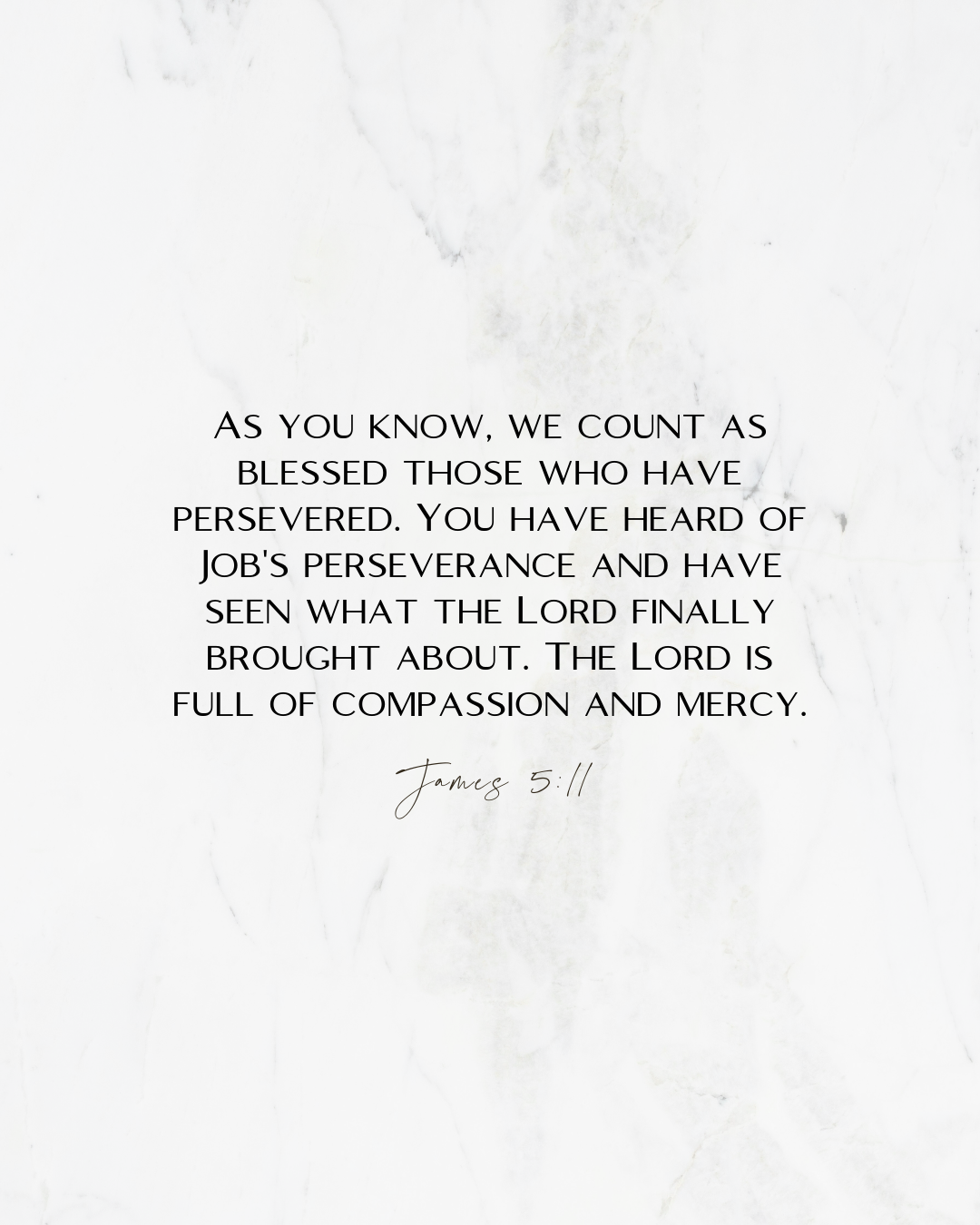
MEMORY VERse
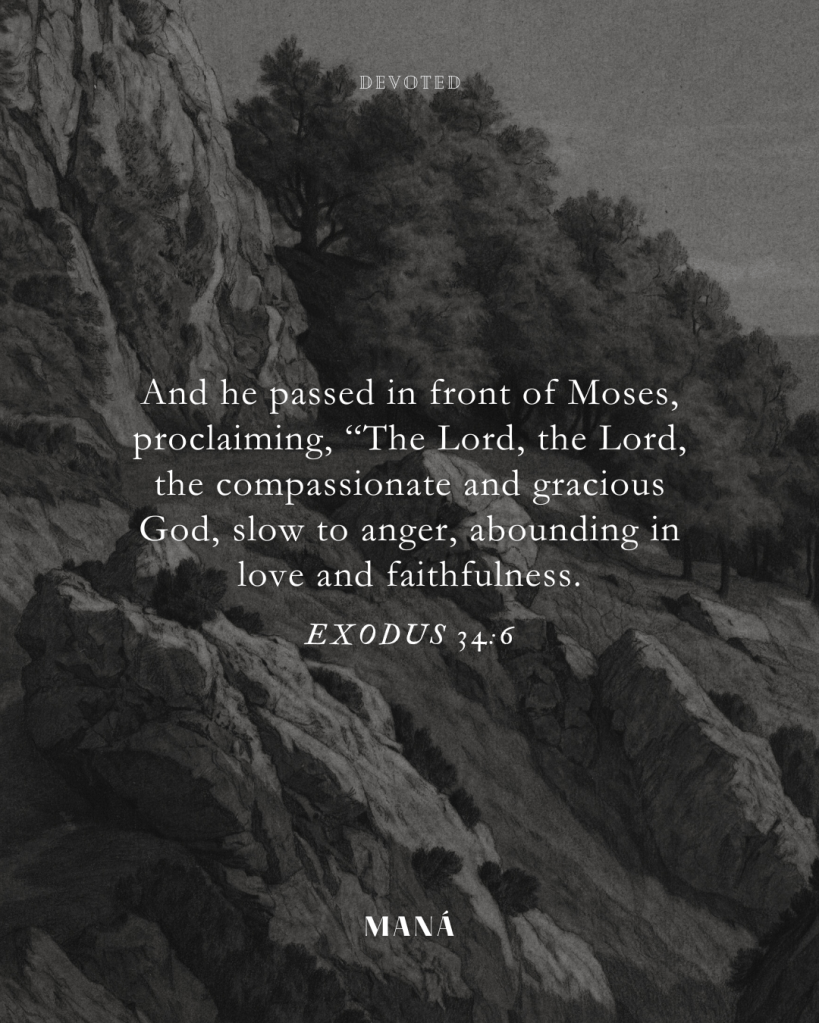
Anonymous. Rocky Cliff on a Coast, c. 1850–1860. The Cleveland Museum of Art
Related Verses
More verses about compassion and mercy:
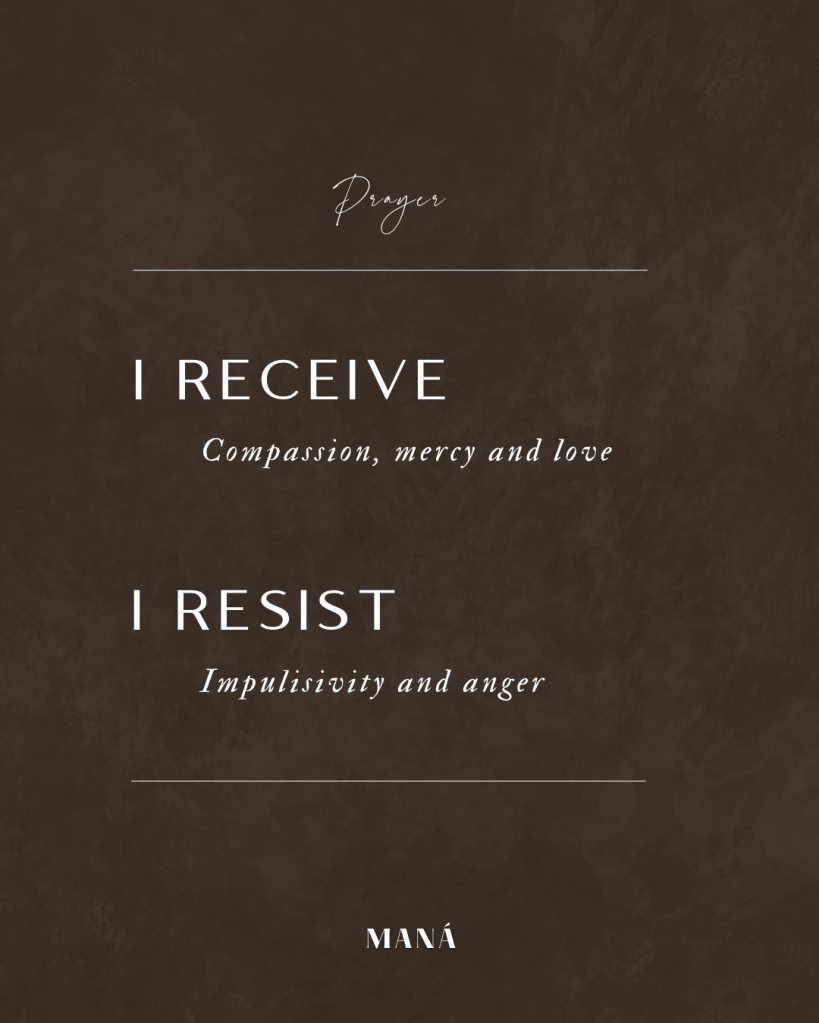
Prayer Invitation
Application Questions
- How does understanding that God is both just and forgiving influence your perspective on salvation?
- How can you change your attitude and behavior so that your first response resembles God’s: being slow to anger, compassionate, gracious, and faithful, instead of judgmental and angry?
- What habits, perspectives, or tendencies undermine a life dedicated to glorifying God? How can you more effectively be “set apart” in your thoughts and actions?
- How do you reconcile the punishment “to the third and fourth generation,” and how does this affect you?




 MANÁ
MANÁ 
Leave a comment