
Believers in humble circumstances ought to take pride in their high position. But the rich should take pride in their humiliation—since they will pass away like a wild flower. For the sun rises with scorching heat and withers the plant; its blossom falls and its beauty is destroyed. In the same way, the rich will fade away even while they go about their business.
James 1:9-11
Scripture Notes
There are constant paradoxes at work in the world. We are told to look out for ourselves, yet Christ taught us to bear one another’s burdens, be sacrificial, and love our enemies. Likewise, our culture would have us believe that wealth, material possessions, and the rise of the economy are our main priorities in life, yet we are instead to transcend the consumerist mentality and look beyond the temporary. Everything on earth will fade and diminish over time. We cannot take our wealth to heaven.
We are called to be joyful, not in our material wealth but in the reward of salvation and the invitation to be heirs to God’s kingdom. In eternity, nothing fades. Yet there is a warning to the rich: not that they must be poor, but that their pride should not be in possessions but in humility, recognizing the vanity of worldly wealth. The reason money is seen as the root of all evil (1 Timothy 6:10) is that it fosters a mindset of self-sufficiency. If we supplant God with our own abilities, achievements, and riches, we have alienated ourselves from the Father.
Again, wealth is not considered sinful. But like the original sin, whatever we do that causes us to see ourselves as gods, rather than bringing honor and glory to the one and only God, makes us no better than Adam and Eve, the people of Babel, or the Roman Empire. There has to be a realization that, like the seasons, the rising of the sun and the dying away of the blossoms, so too will treasures fade. It is a fact. Even through legacy or inheritance, there is a confrontation, for then we are saying that WE will take care of our descendants, and WE do not have faith or trust in God for the future.
When something goes wrong or we are disappointed, we are too quick to blame God, and likewise, when there is success, we are too quick to praise ourselves. God does not cause the rich to fade, nor does he bring about calamity or cause us to sin. He is forever seeking to care for and intervene on our behalf for our greatest benefit. Allowing us to struggle is the only pathway to joy, but when we rely on things like money or power to take away our pain, we miss the essential message of Christ. By being good stewards and acting with benevolence, we can provide for those who have too little and share our blessings.
It is wise to remember that earthly riches and worldly success are fleeting, but the Lord is steadfast, unchanging, and trustworthy, and even more importantly, never-ending. We open ourselves up to dependence on God, who has promised us treasures in heaven where rust cannot destroy (Matthew 6:19-21). If in the first century the struggle was not to go to war and battle the oppressors, our battle in the twenty-first century is not to rely fully on wealth, power, or oneself. This idea is completely counter-cultural, and the posture of faith in the eternal may be ridiculed or even despised. Even so, in forsaking temporary riches, we recognize the worth of a life lived in humility and faith.
MEMORY VERse

George Davison. Harlech Castle, April 1909. The Minneapolis Institute of Art
Related Verses
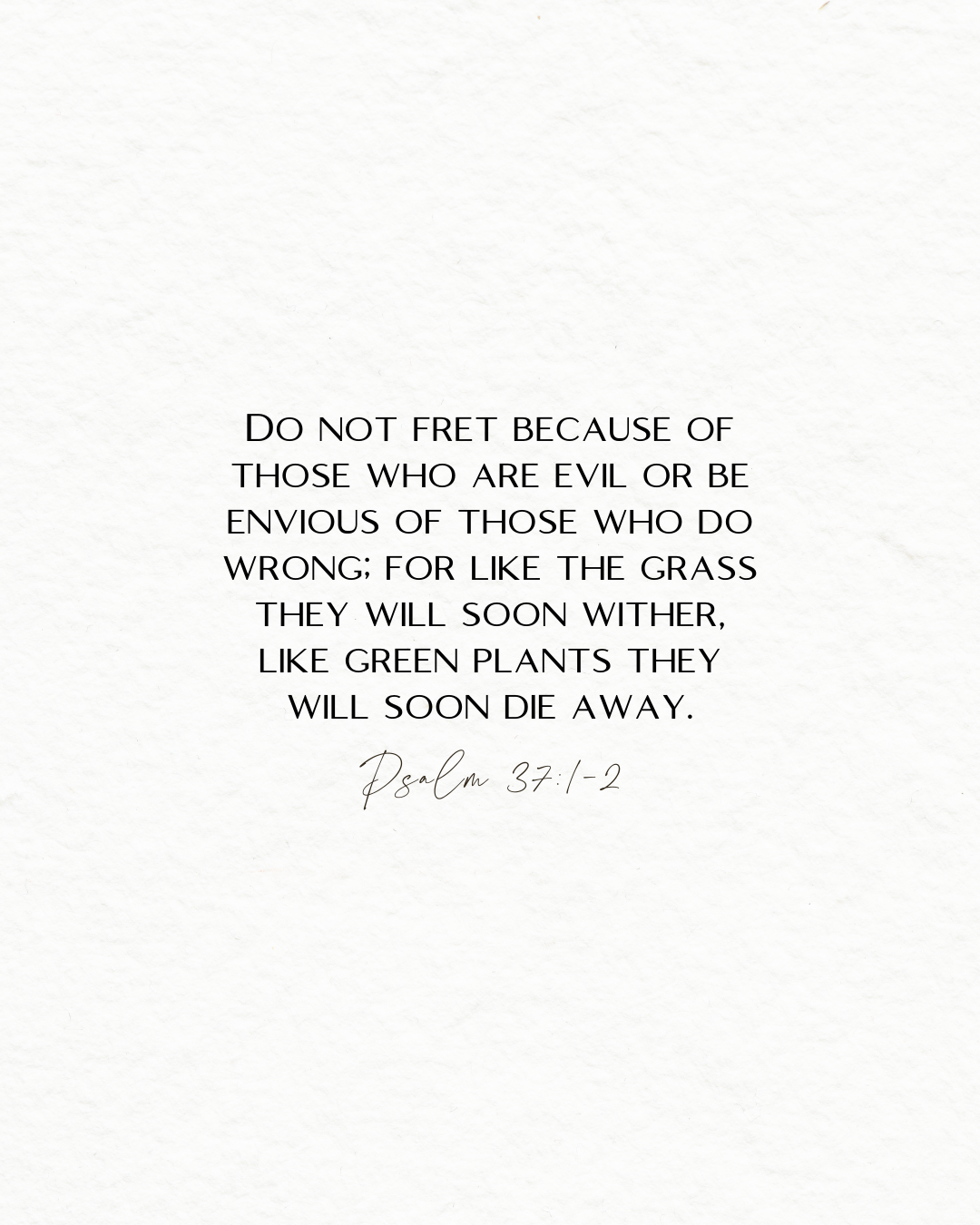
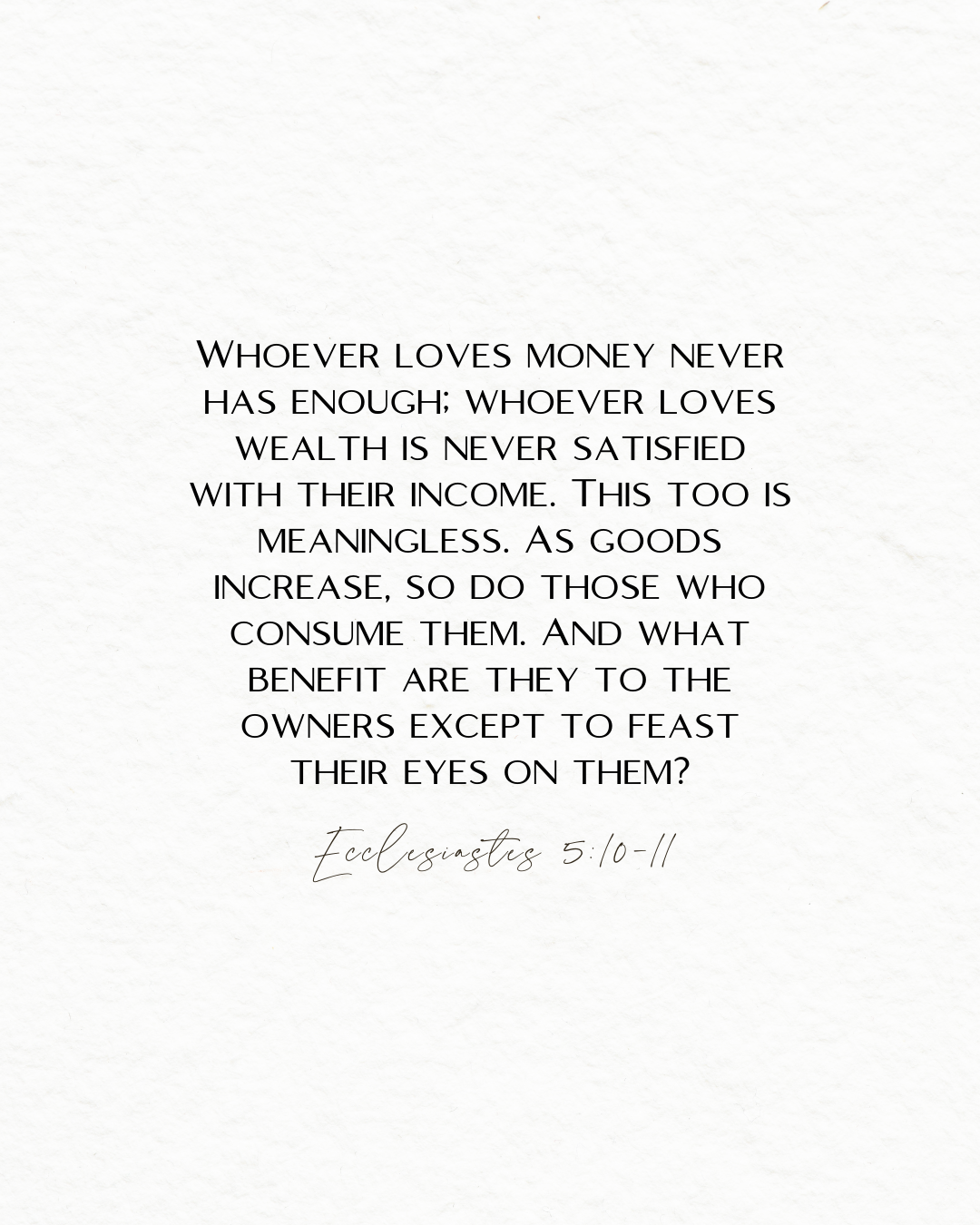
More verses about temporary riches:


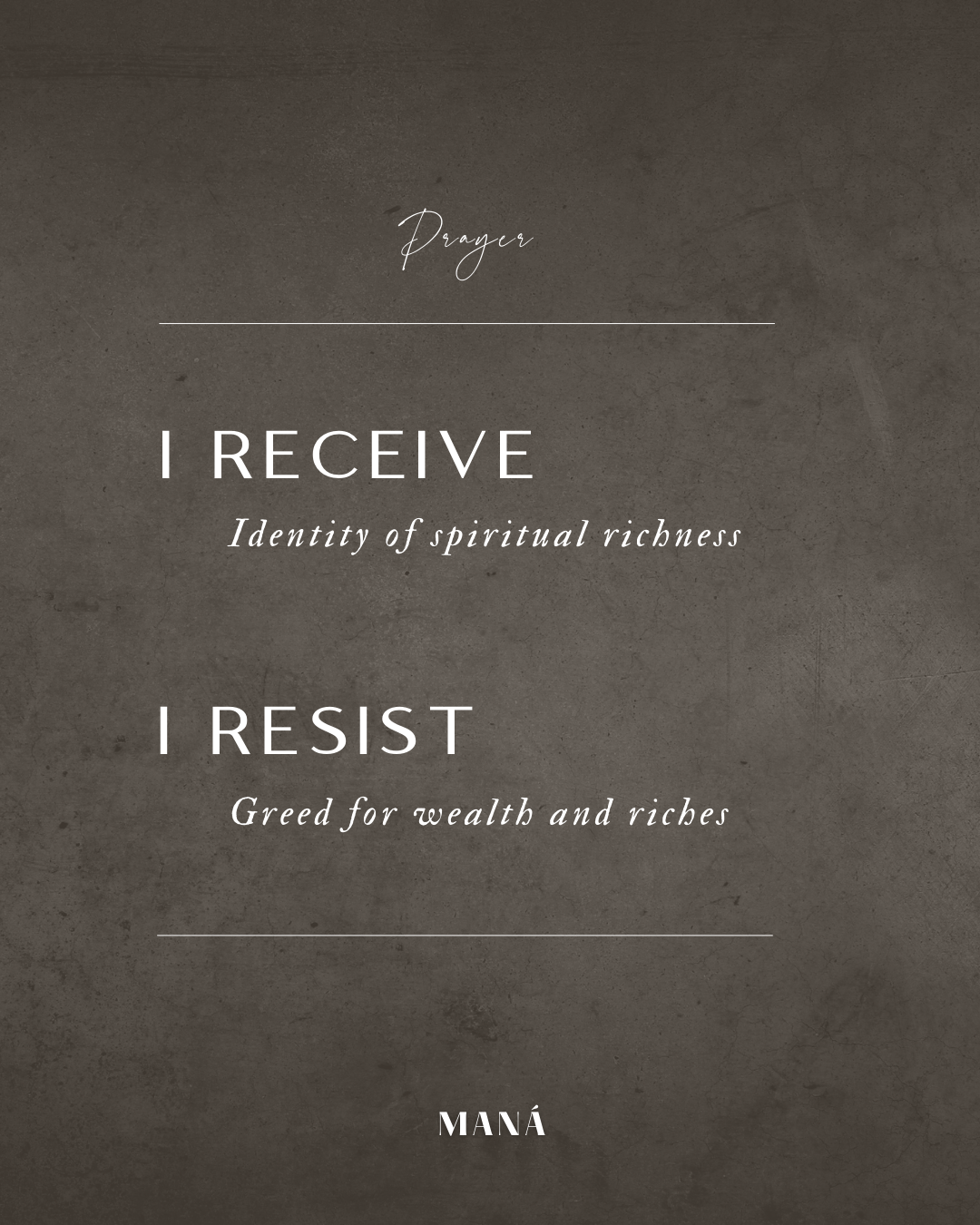
Prayer Invitation
Application Questions
- How can you find your worth and value in Christ rather than in your earthly possessions or social status?
- How can you be a better steward and manager of the resources and opportunities you have been given? How can you use them to bring glory to God rather than to yourself?
- In what ways do wealth and its absence present themselves as trials in your life? How can you respond to either trial in faith rather than in misgivings?
- What cultural or societal values about success, wealth, and status might you be following rather than walking in faith and trust?
- With the promise of God’s eternal reward in Christ, how can you view hardship or temporary success through a more faithful lens?



 MANÁ
MANÁ 
Leave a comment