The Lord is good to those whose hope is in him,
to the one who seeks him;
it is good to wait quietly
for the salvation of the Lord.
It is good for a man to bear the yoke
while he is young.Let him sit alone in silence,
Lamentations 3:25-30
for the Lord has laid it on him.
Let him bury his face in the dust—
there may yet be hope.
Let him offer his cheek to one who would strike him,
and let him be filled with disgrace.
Scripture Notes
Lamentations is a book of the Bible that is often overlooked, in part because it is in the Old Testament, and the idea of crying out to the Lord can feel uncomfortable. Yet we are called to lift our voices to the heavens, even in cries of agony, shame, or disappointment. We are also called to bring our struggles to the Lord with fervency. We are not supposed to be anxious, but to present our requests to God (Philippians 4:6), and this applies especially when we are struggling.
Before we go any further, it is essential to remember that the good the Lord will do for those who hope in him does not refer to material things, such as earthly wealth, power, or influence. The good we receive is salvation from death, a home with a heavenly Father, and eternal life. For this reason, we should be glad to wait, not passively or idly, but with diligence, intentionality, and purpose. Waiting does not mean paralysis or punting the ball; it is a spiritual discipline that shows dependence on God rather than on oneself. We are to continue forward in truth and love, not to win earthly battles but to build up the body of believers. We should trust in God’s timing, knowing that his knowledge surpasses all understanding.
There is a pattern in our culture of enjoying immaturity until the fatal moment when responsibility becomes necessary. For some, responsibility comes far too young, and for others, it arrives far too late. What we should be thankful for is the challenges of our youth rather than waiting until middle age or later. The yoke might chafe, but finding one’s identity and purpose at a younger age is a gift. Learning discipline, purpose, and diligence does not happen in a vacuum or after idleness. They are the rewards for enduring trials, the loss of relationships, job shifts, migration, and so on. We were not meant to party away our precious youth but to seek guidance in faith.
Purpose and self-control develop when a person can sit in silence, without distraction or interference. In that precious window of solitude, we gain clarity and understanding. We have a chance for a deeper encounter with God, where we can learn patience and allow room for the testing of our faith. We recently learned about the pathway to hope in Endurance, Character, and Hope. First, we have to endure hardships, struggles, disappointments, shame, and regret. Next is a testing of our character to see whether we have truly learned anything or are only going through the motions. This is followed by hope. We hope in God, who has promised us salvation and eternal life. We can only experience this type of connection when we separate ourselves from worldly things and even from ourselves.
With all these things, we are invited, even called upon, to lift our laments to God. In a quiet corner, we can hear direction from the Almighty, who is merciful and will never abandon us. We are not meant to endure passively, biting our lips and accepting whatever punishment comes our way. No! We are allowed to cry out and to share our honest grief with the Lord. We wait patiently, not because there is nothing for us to do. We wait patiently because we trust in God, knowing that things happen in His timing, not ours, and that there is always hope. There is hope in the intercession of the Spirit (Romans 8:26-27), hope in the way, the truth, and the life (John 14:6), and hope in salvation, a gift from God (John 3:16).
MEMORY VERse

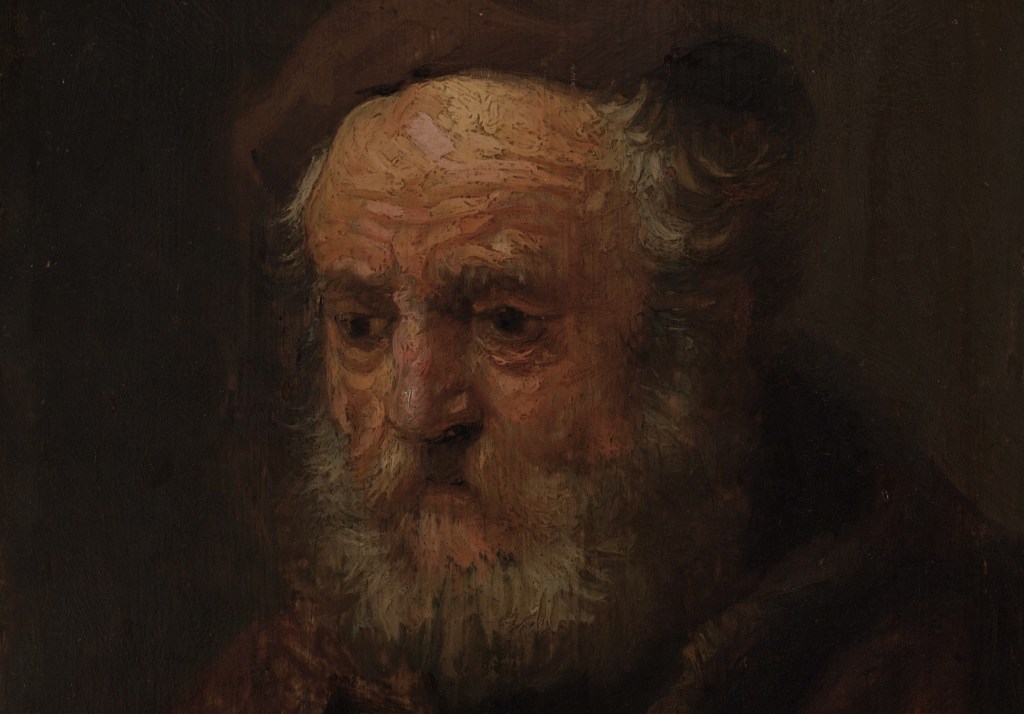
Richard Nicolaüs Roland Holst. Portrait of a woman, 1897. The Rijksmuseum
Related Verses
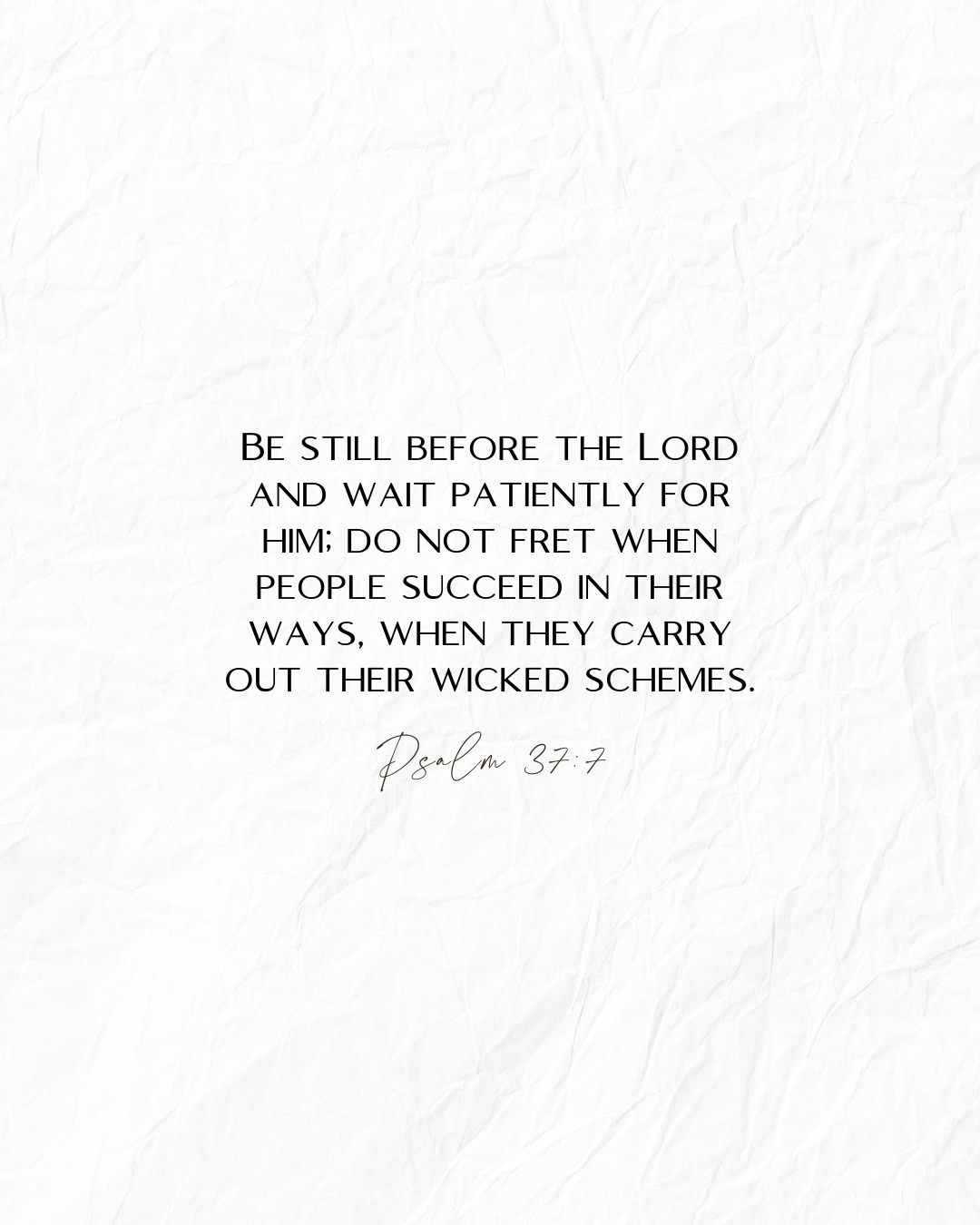
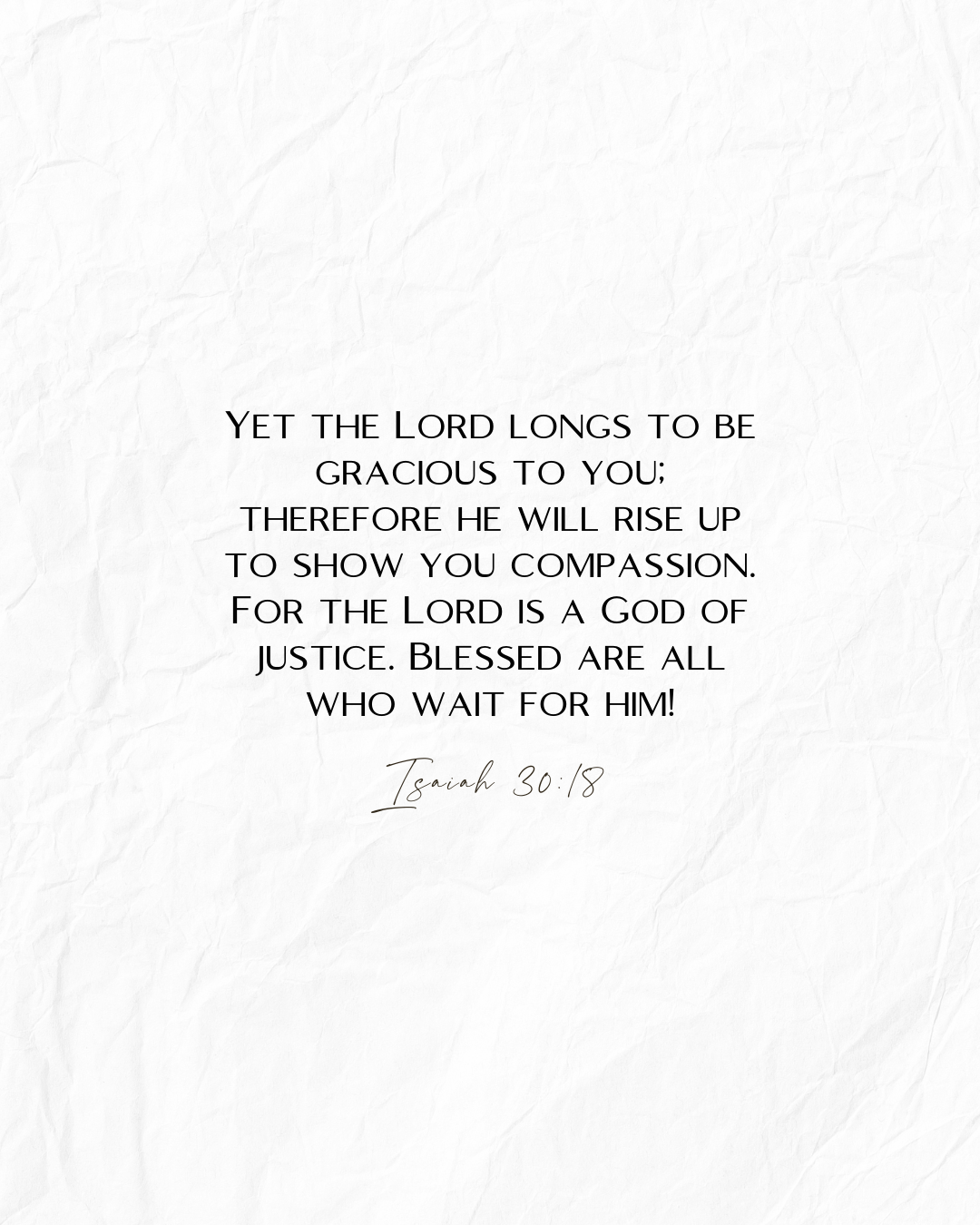
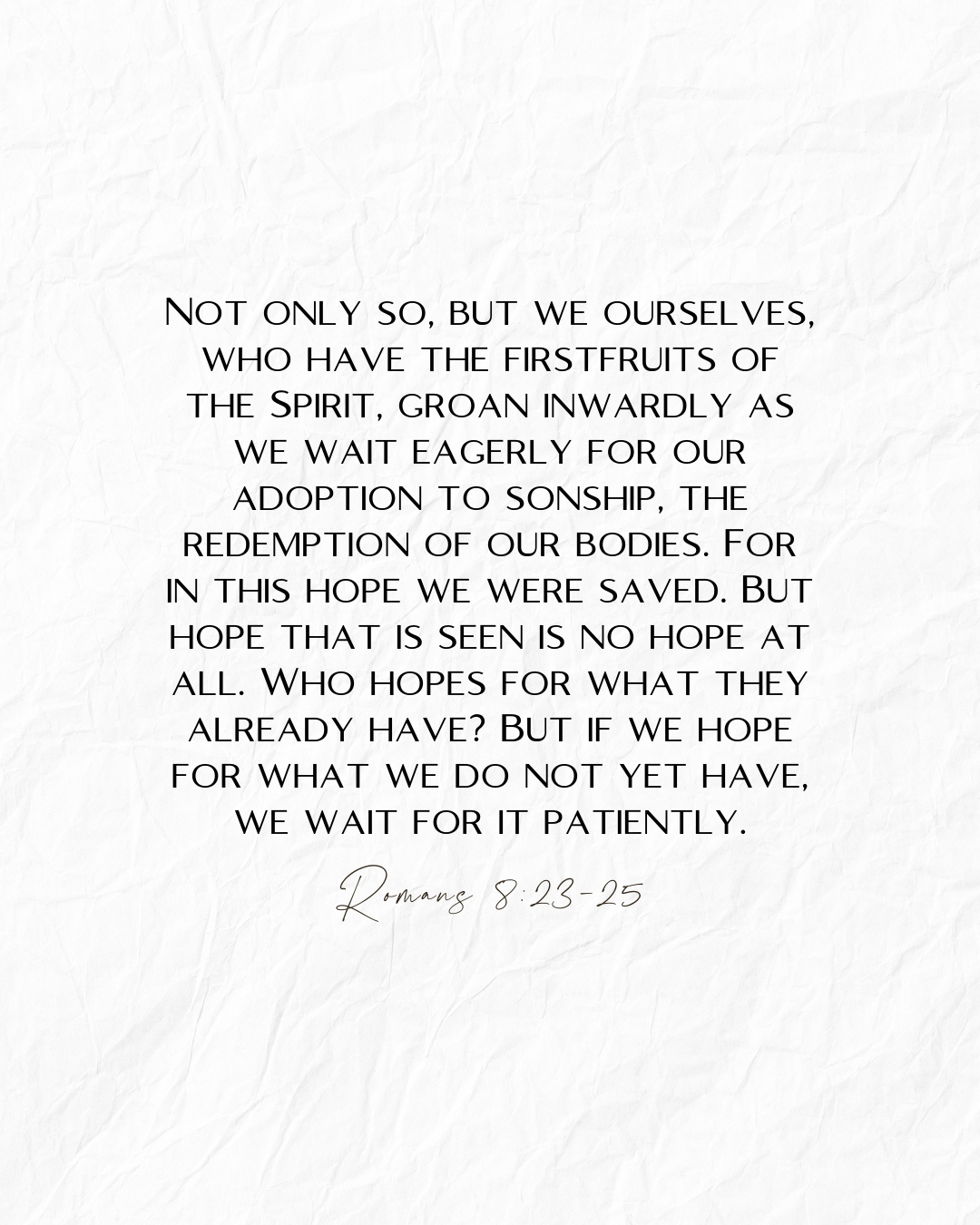
More verses about waiting patiently:
Prayer Invitation

Application Questions
- How can you adjust waiting in passive anxiety to an attitude and posture of faith and trust?
- In what ways can you cultivate patience and trust in God’s timing when you want to be in control or want to proceed with your own plans?
- How can you make room for silence and solitude during difficult times?
- How can you apply the principles of non-retaliation and resilience to modern-day conflicts, such as workplace disagreements, online arguments, ideological disagreements, or relational tension?
- How can the promise of hope challenge the tendency to expect the worst or to try to control circumstances?

 MANÁ
MANÁ 
Leave a comment