
Remember this: Whoever sows sparingly will also reap sparingly, and whoever sows generously will also reap generously. Each of you should give what you have decided in your heart to give, not reluctantly or under compulsion, for God loves a cheerful giver. And God is able to bless you abundantly, so that in all things at all times, having all that you need, you will abound in every good work.
2 Corinthians 9:6-8
Scripture Notes
Besides being made in the image of God, humanity has been given free will, a life to live made up of choices decided by oneself. Ever wonder how you can trust a person? Who allows you to make your own decisions even if they might harm you, and who manipulates you into thinking they are better at making decisions for you? What we see in our Maker is a being who exemplifies the latter. God gave us life, and the choices we make determine our circumstances. The caveat is that we have to live in a world where everyone is making decisions, and often those decisions affect us, too. What we find in the world is an increasing desire to look to oneself for guidance, sustainability, and self-centered achievement. The problem lies in forcing a mind, body, and soul built for community into the ill-fitting mold of individuality and solitude.
In a society so focused on money and economic growth, it is natural for believers to see this verse as a command to be generous financially. We are called to give, especially more when we have been entrusted with greater resources, but we often restrict Paul’s words to only mean giving cheerfully with money. In The Blessing of Giving, we learned that the widow who gave two mites was blessed, while the rich young ruler walked away from the Lord. We don’t have to be wealthy to give; we only need to do what we can. This giving should not be done out of obligation or with the hope of future gain. Giving is not an investment in the traditional sense. Giving freely means entrusting control to God, not to Wall Street or banks, and generosity extends beyond money and finances. It should be a way of living and a natural instinct.
One person gives freely, yet gains even more;
another withholds unduly, but comes to poverty.Proverbs 11:24
Many people focus too much on who should give more. We are called to give proportionally based on what we can. In olden times, a steward was a worker who managed a lord’s or a wealthy landowner’s household finances. They did not own or control what they were entrusted with, but were responsible for its safekeeping, growth, sustainability, investment, and honest distribution. Likewise, we are stewards tasked with distributing fairly and wisely because what we have is not truly ours. Everything belongs to God, and we are entrusted to care for it.
Being generous is not just our duty; it is also a gift because it brings us closer to the Spirit of God, who gives freely and abundantly. When we are stingy or cheat to get ahead, we damage our relationships with others and create a crack in our relationship with Christ. Holding back, hoarding, or exploiting essentially says we trust ourselves with provision more than we trust God.
Whoever is kind to the poor lends to the Lord,
and he will reward them for what they have done.Proverbs 19:17
The idea of sowing generously should not be seen as a lesson in investing or a quick way to get rich. The whole process of generosity through Christ is not a quid pro quo or an eye-for-an-eye. We don’t give twenty dollars just to get it back. Often, our giving is unseen, intangible, and may not show results until long after we are gone. But like a stone skipping across a pond, more acts of selfless generosity by more people will create a ripple effect of goodness and positivity. This isn’t just because people share their money, but also because it involves a shift in mindset—thinking less of yourself and more of others. This could transform our culture of selfishness into one of communal care and concern. Giving becomes second nature, not just a five-second social media reel. Life takes on a whole new meaning when we give from the heart. It means we are no longer slaves to the self-destructive nature of humanity, but given insight into the life-giving, freedom of salvation in Christ.
Whoever sows injustice reaps calamity,
and the rod they wield in fury will be broken.The generous will themselves be blessed,
for they share their food with the poor.Proverbs 22:8-9
MEMORY VERse

James McNeill Whistler. The kitchen, 1858. Print Collection, The New York Public Library
Related Verses
More verses about generosity:
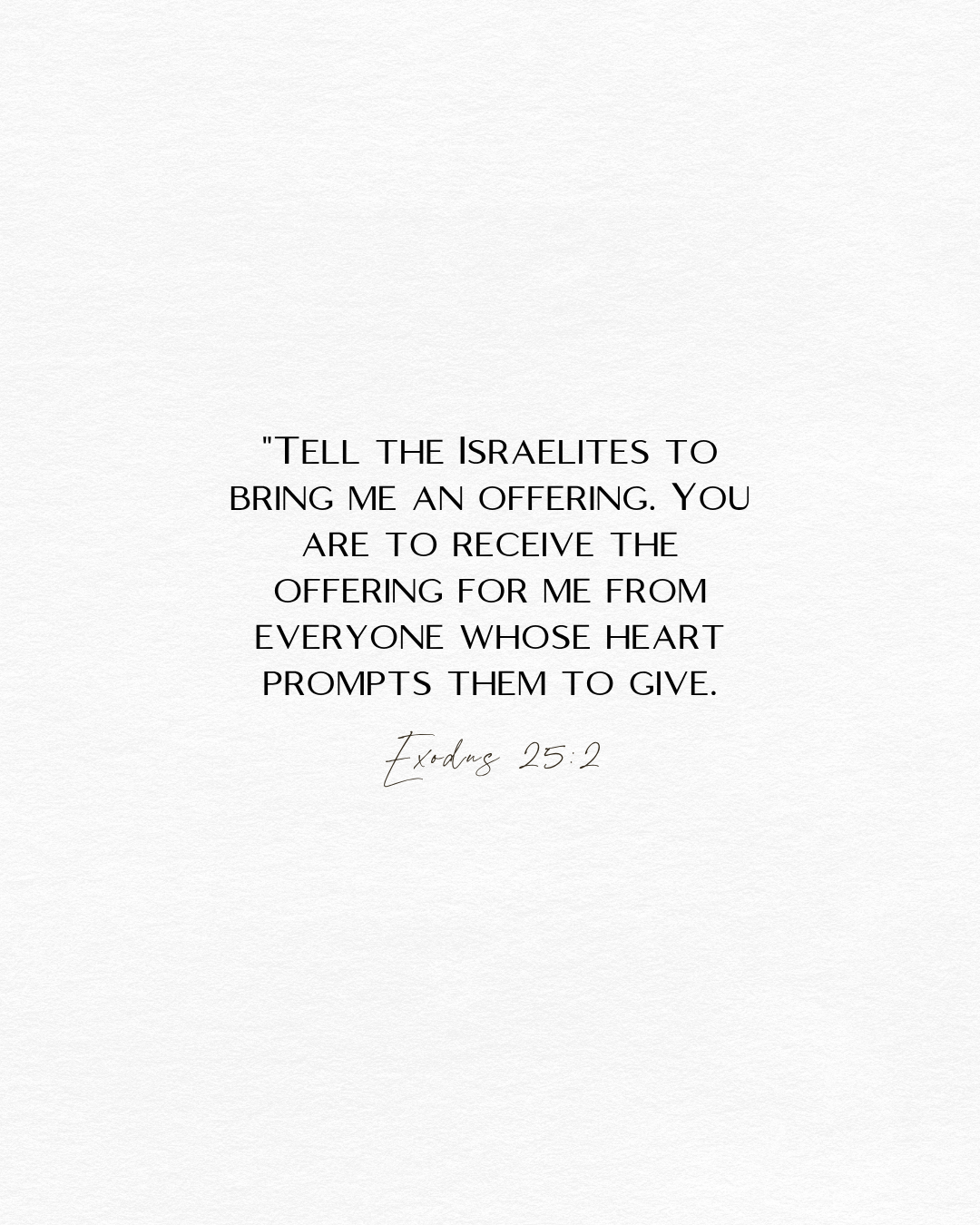
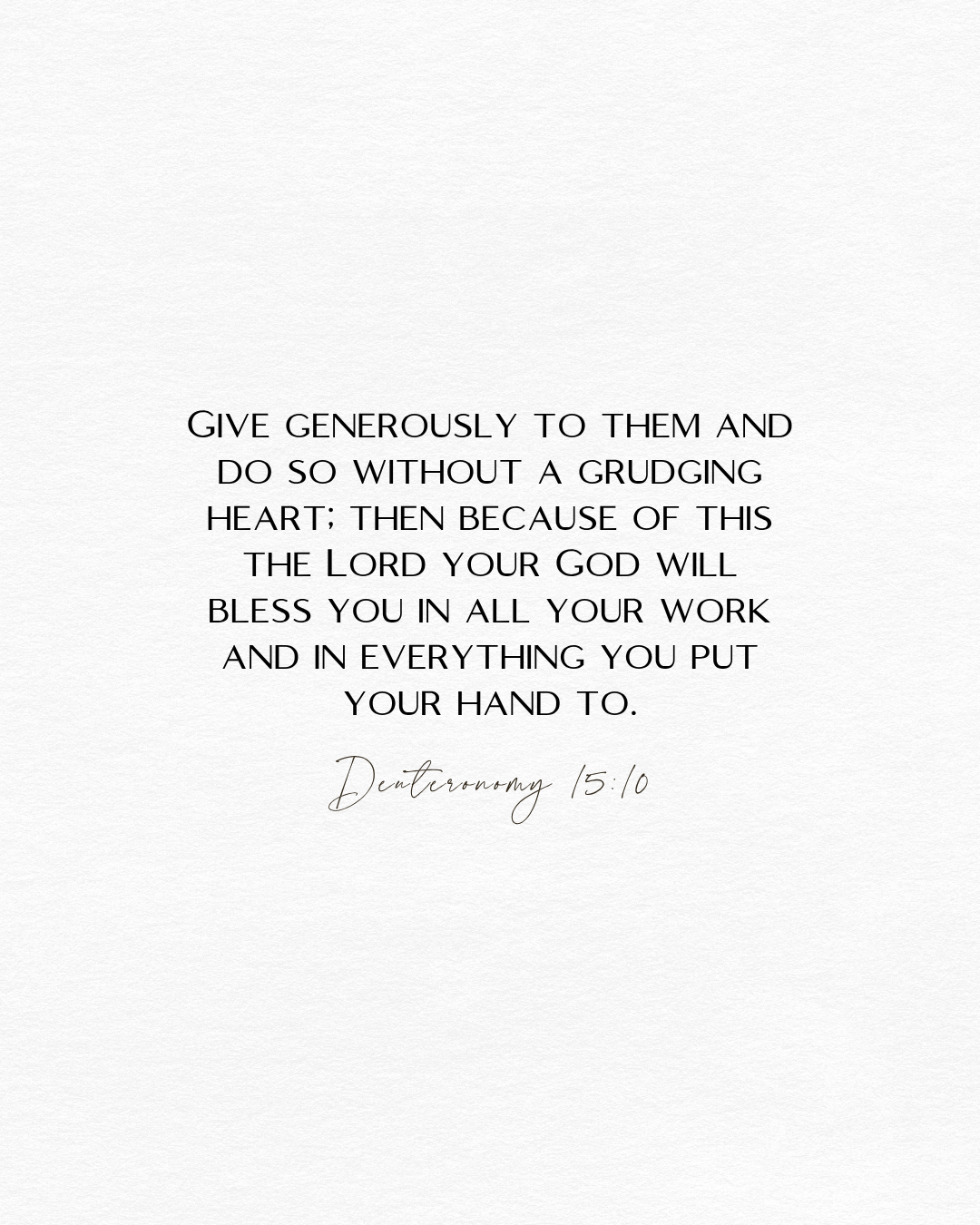
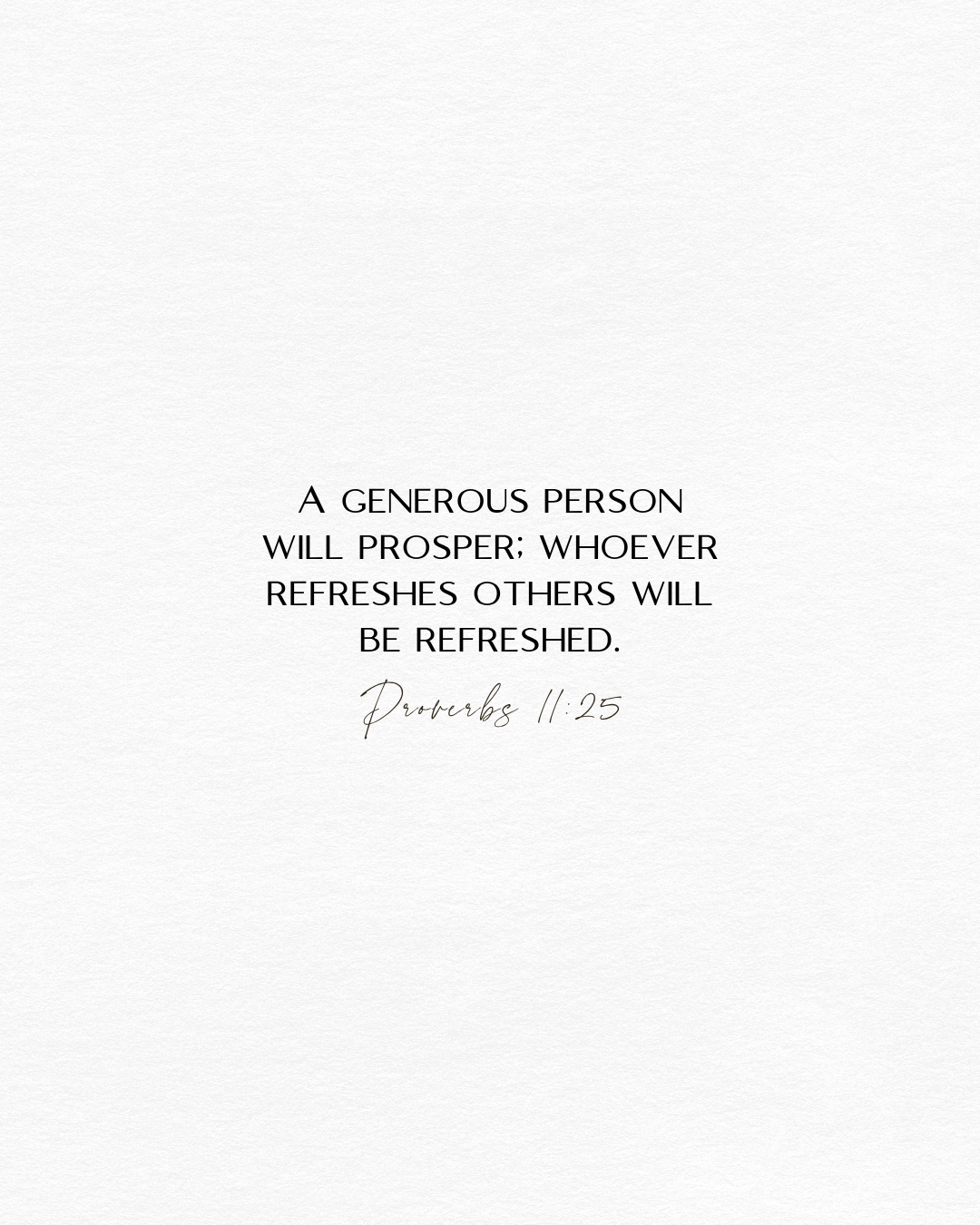
Prayer Invitation
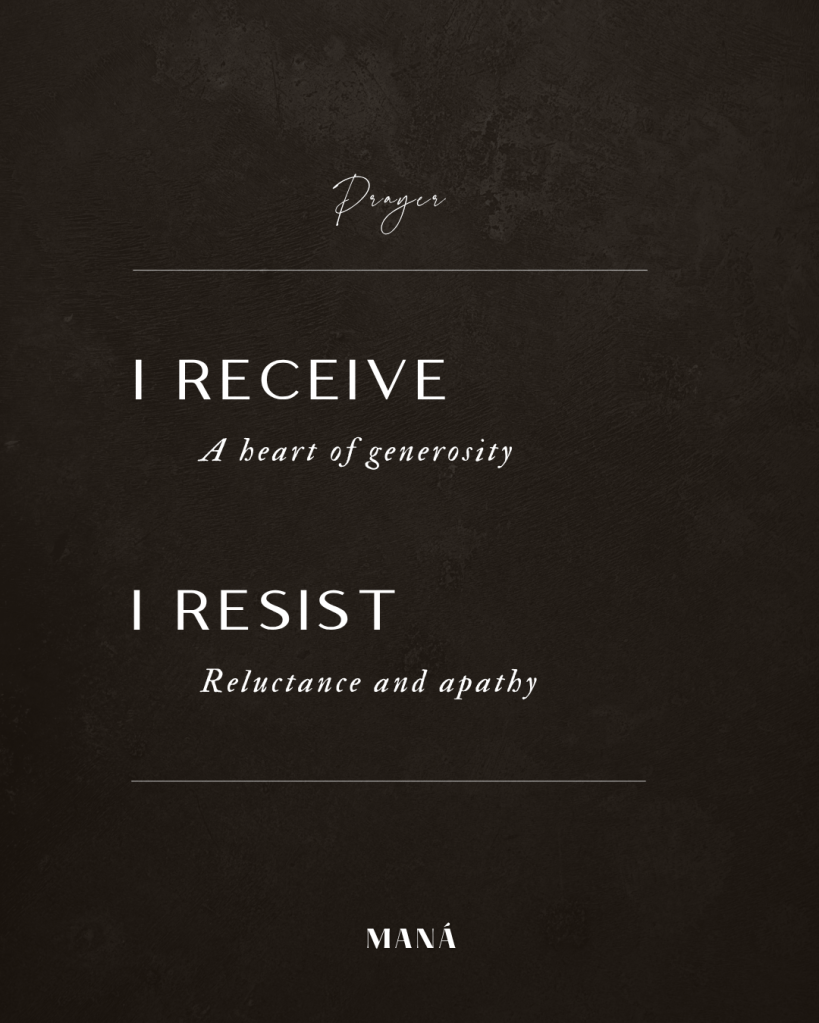
Application Questions
- How can you give more from your heart cheerfully? What ways can you be generous beyond financial, such as time, energy, skills, priorities, or love?
- Are there areas of your life where you are “sowing sparingly” out of fear or disinclination? How can you lean into the message from 2 Corinthians and begin to sow more generously?
- How can you build a heart of trust in God’s provision rather than in material possessions?
- Whose approval are you seeking when you give—God’s, your own, or others’? How can you alter your motives so that your generosity causes others to give praise to God?

 MANÁ
MANÁ 
Leave a comment