
But to Jonah this seemed very wrong, and he became angry. He prayed to the Lord, “Isn’t this what I said, Lord, when I was still at home? That is what I tried to forestall by fleeing to Tarshish. I knew that you are a gracious and compassionate God, slow to anger and abounding in love, a God who relents from sending calamity. Now, Lord, take away my life, for it is better for me to die than to live.”
But the Lord replied, “Is it right for you to be angry?”
Jonah 4:1-4
Scripture Notes
At the beginning of the book of Jonah, God commanded Jonah to go and tell the people of Nineveh that in forty days their city would be overthrown because of their wickedness. Jonah blatantly disobeyed God and refused to go to Nineveh, which led to the famous story of him being swallowed by a great fish. After spending three days in the belly of the great fish and praying to God, God had the fish spit Jonah up on the shore. Once again the Lord told Jonah to go to Nineveh with his message. This time Jonah obeyed. Upon hearing this message, the king of Nineveh made a decree for the whole city to repent and call on God, and they did.
When we get to chapter four, at the end of this story, we finally discover the reason why Jonah refused to go to Nineveh at first. Nineveh was a large city, the capital of Assyria. It was known for its wickedness, idolatry, and cruelty. The Ninevites were an enemy of Jonah’s people, the Israelites. Jonah had heard prophecies that Assyria would conquer his people in the future. In Jonah 4:2, we learn that Jonah hated the Ninevites and didn’t want them to be spared from God’s wrath. He basically tells God, “I knew it! I knew that you are gracious and compassionate, abounding in love, a God who relents from sending calamity. That is exactly why I didn’t want to go to Nineveh. They deserve to be destroyed, and I knew that if I gave them your message and they repented, you would relent and show them mercy!”
The Hebrew words for “gracious” and “compassionate” are used together as a couplet eleven of the thirteen times they are used in the Bible. They are used almost exclusively to describe God. They first appear when God describes himself by these words in Exodus 34:5-7, declaring, “The Lord, the Lord, the compassionate and gracious God, slow to anger, and abounding in loyal love and faithfulness, keeping loyal love for thousands, forgiving iniquity and transgression and sin. But he by no means leaves the guilty unpunished, responding to the transgression of fathers by dealing with children and children’s children, to the third and fourth generation.”
Jonah and his people relied on God’s characteristics for their salvation and prosperity. God’s mercy, compassion, and steadfast love are key to both Jewish and Christian theology. It is these very characteristics that led God to send Jesus to save us from our sins. Without his mercy and compassion, we would all be rightly under God’s wrath because we are all wicked.
Yet here, Jonah is angry that this is who God is because he isn’t only merciful, compassionate, and faithful to us, but to all who call upon his name and repent of their sins (Romans 10:11-13). The mercy and compassion of God were good news for Jonah and his people, but also for their enemies, the Ninevites, when they chose to repent. This is why Jonah was so enraged. It’s easy to judge Jonah for this attitude, but how often do we want our enemies to suffer for the wrong they have done to us, while simultaneously wanting mercy shown to us for our wrongs?
We are dependent on God’s mercy and compassion for our salvation. This good news for us is also good news for our enemies. We are grateful for God’s mercy and compassion to forgive us of our sins, but how do we feel when God extends this same forgiveness to people who have wronged us? If we can get in touch with our own hateful anger towards our worst enemies, perhaps we can better understand Jonah’s response here.
Elsewhere in Scripture, it is clear that God’s desire is for all people of all nations to repent of their sins and be saved (2 Peter 3:9; 1 Timothy 2:4). This is the reason Jesus became God with us, willingly taking on our punishment so that by faith in him we could be saved from the punishment of death. Psalm 112:4 is the only place these Hebrew words for “gracious” and “compassionate” are used to describe anyone other than God, and there they are used to describe the godly. We are called to be like God by being people who show mercy and compassion.
As we reflect on Jonah’s story, we are invited to examine our own attitudes and actions. Have I received the mercy and compassion God has poured out to me through Jesus? Am I trying to earn my salvation by my own efforts, or have I accepted it as a gift from a merciful and compassionate God? Is there an area of my life where I am harboring hatred and anger towards someone whom I need to ask the Holy Spirit to help me forgive? What would it look like for me to show mercy and compassion towards others, even my enemies?
God asks Jonah about his decision to show mercy and compassion to the Ninevites, “Is it right for you to be angry?” (Jonah 4:4). Perhaps he would ask us the same question. Lord, may the mercy and compassion you have poured out on me now overflow from my life and draw others to you. Help me to forgive as I have been forgiven, to love as I have been loved, and to show mercy and compassion as I have been shown mercy and compassion.
For Vanessa Vannoy
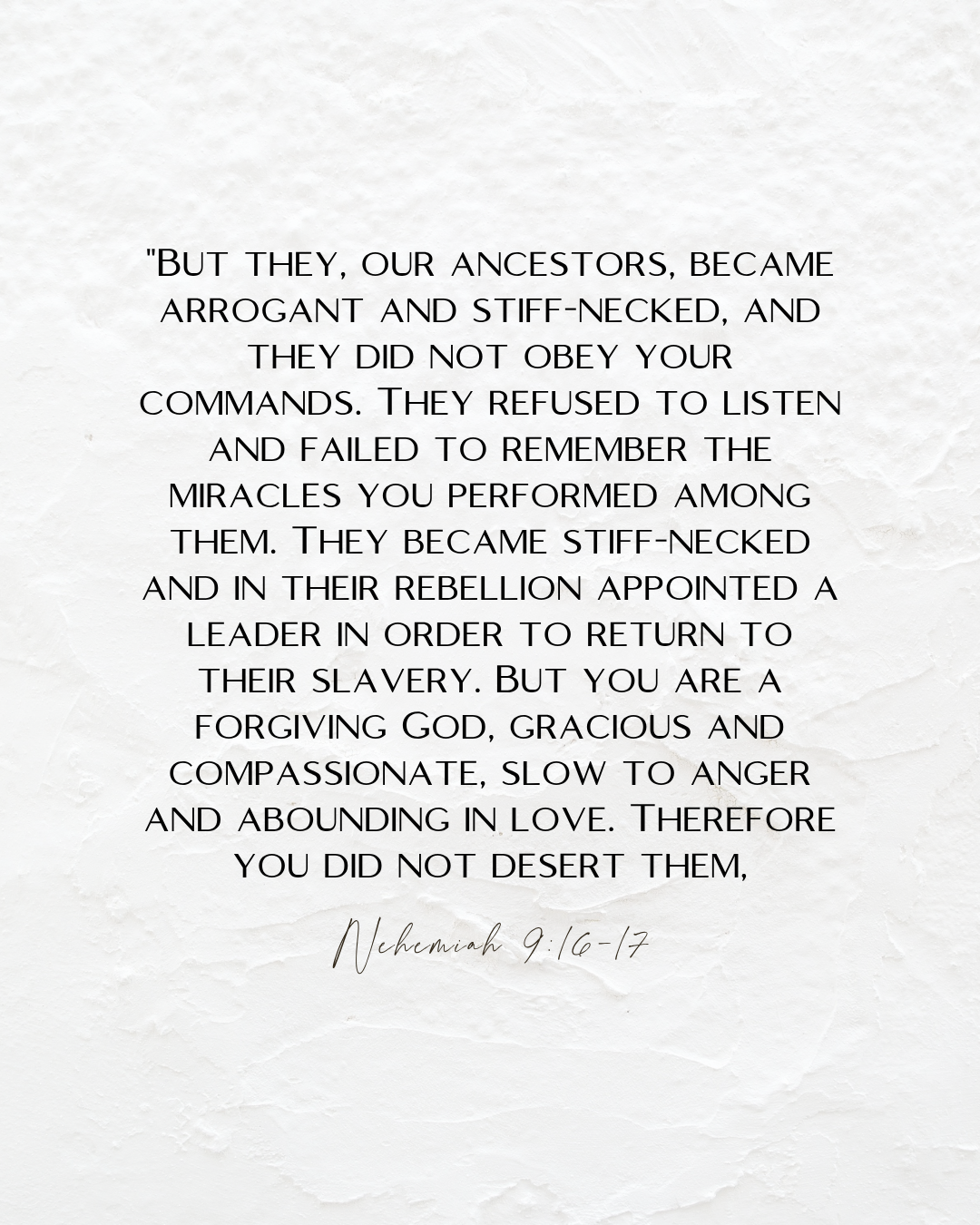
MEMORY VERse

Albert Sterner. Prodigal son, 1930. The New York Public Library
Related Verses
More verses about showing compassion:


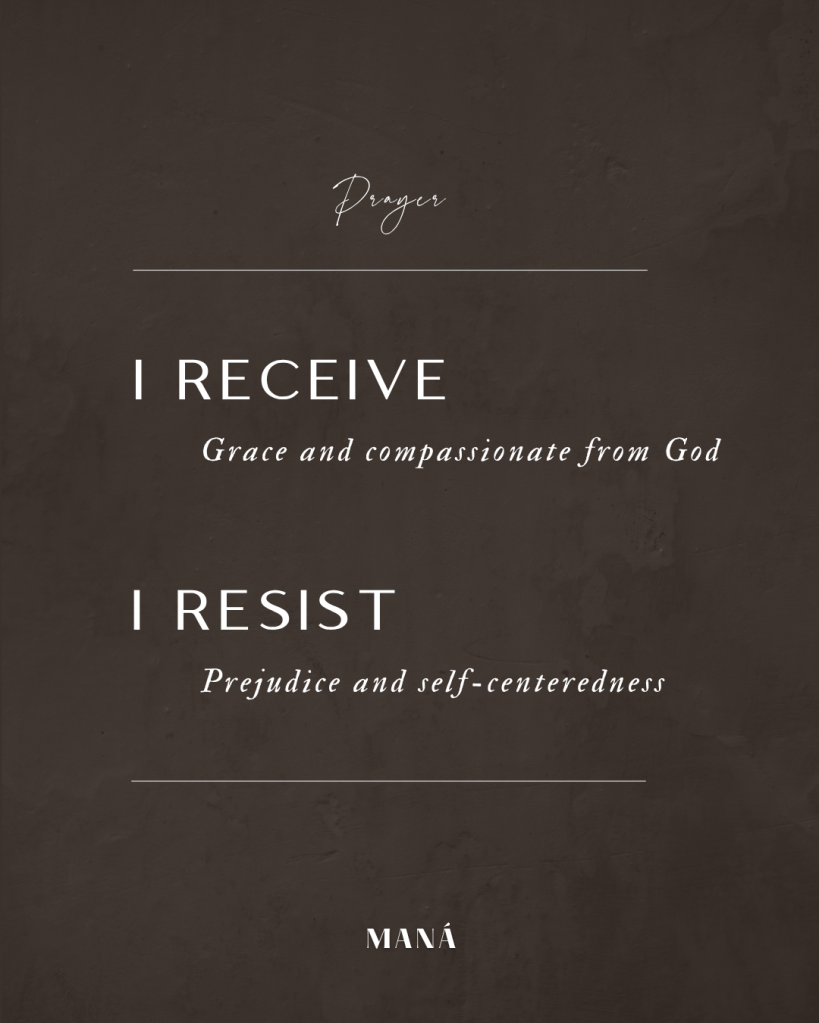
Prayer Invitation
Application Questions
- Is your anger with God ever a response to Him showing mercy to others, or when your own plans are thwarted?
- How can you challenge the “us vs. them” mentality that seems to have driven Jonah?
- How should the understanding of God’s love for all people, not just believers, shape how you see the world and your role in it?




 MANÁ
MANÁ 
Leave a comment