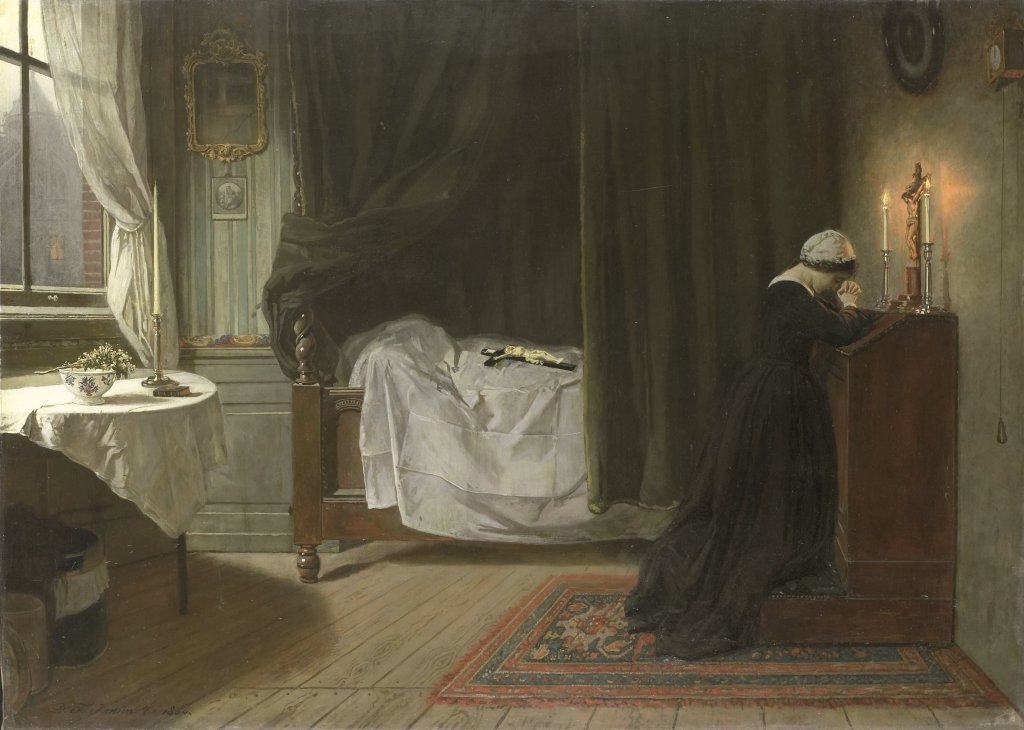
Devote yourselves to prayer, being watchful and thankful. And pray for us, too, that God may open a door for our message, so that we may proclaim the mystery of Christ, for which I am in chains. Pray that I may proclaim it clearly, as I should. Be wise in the way you act toward outsiders; make the most of every opportunity. Let your conversation be always full of grace, seasoned with salt, so that you may know how to answer everyone.
Colossians 4:2-6
Scripture Notes
Colossians 3:18-23 provides a long list of instructions and guidance for a household: Wives submit to your husbands, Husbands love your wives, children obey your parents, fathers do not embitter your children, Slaves obey your earthly masters, to name a few.
One of the final instructions given in Colossians 4 is the indispensable need to devote ourselves to prayer. Every believer should carry a desire to commune with God and should seize every opportunity to pray. It prepares us to be in His presence. But what is a clear and distinct way to dedicate ourselves to prayer? 1 Thessalonians 5:16 explains, in part, what being devoted to prayer entails. First, it begins with ‘Rejoice always.’ Then, it continues with ‘Pray without ceasing.’
Prayer is, simply, communication with God. We can look at Psalm 23 as the most well-known example of prayer written by King David. Psalm 23:1-3,
The Lord is my shepherd; I shall not want. He makes me to lie down in green pastures; He leads me beside the still waters. He restores my soul; He leads me in the paths of righteousness for His name’s sake.
He guides us and grows us. Psalm 23:4,
Even though I walk through the valley of the shadow of death, I will fear no evil, for you are with me; your rod and staff, they comfort me.
Here, David is expressing His assurance in the relationship and salvation in God. In this allegory, it shows that David trusted fully in God during difficult times and even unto death. He did not fear it but was comforted by God with support and protection. Psalm 23:5,
You prepare a table before me in the presence of my enemies; You anoint my head with oil; my cup runs over.
It is a beautiful picture of the bounty, foresight, care, and personal connection with God. God’s provisions in King David’s life and ours are seen by the enemies of our lives, meaning those who are enemies of God. Through all of this, God refreshes him with oil, and we see the joy of David in Psalm 23:6,
Surely goodness and mercy shall follow me all the days of my life; and I will dwell in the house of the Lord forever.
Mercy is an amazing concept. God’s steadfast love is consistent and does not change. With all the work God has done, we get the pleasure of dwelling with Him in heaven for eternity when we accept the gift of grace.
There is an acrostic, ACTS, that is a tool that can help us pray. Much of it we take from David’s example.
A – ADORATION – Recognizing who God is and acknowledging His holiness.
C – CONFESSION – Share sins, troubles, and trials, trusting that God is forgiving, and there is no fear in expressing our weaknesses and fears to Him, and to ask for forgiveness. He already knows all things and sees everything.
T – THANKSGIVING – Praising Him for His abundant provisions and blessings. Express gratitude for His promises, provisions, and the blessings He bestows on us. Lastly,
S – SUPPLICATION – Presents requests on behalf of others.
Let’s also remember that it is good to pray for ourselves, also. For example, Psalm 25:4 & 5 says,
Make me to know your ways, O LORD; teach me your paths. Lead me in your truth and teach me, for you are the God of my salvation; for you I wait all day…
Praying through scripture is another excellent way to communicate and connect with God. Psalms and Proverbs offer exceptional examples of different types of prayer and supplication. Here is an example of how to pray through scripture using Psalm 26:11-14.
Lord, please teach me your way, and lead me on a straight path, because in this world I have enemies. Please do not give me over to my adversaries, for I may experience false witnesses against me. For they breathe out violence against me. May I look upon Your goodness while I am in this world. May I wait on You for strength and courage. Amen.
Any scripture that means something to you can be used for prayer. A favorite is 1 Peter 5:7, which says,
Cast all your anxiety (worries) on Him because He cares for you.
By reading our Bibles and being in prayer, we become more compassionate, respond to others rightly, and treat others with grace and love. In spending time with God, we become more connected to our spiritual nature rather than the nature of human frailty. Devotion to prayer is a practice and a process. It is not a performance or something to be paraded that lacks sincerity. Prayer is communication with the Father, our counselor, provider, and guide. We should not let the opportunity to pray pass us by.
By P. D. Deckard
MEMORY VERse

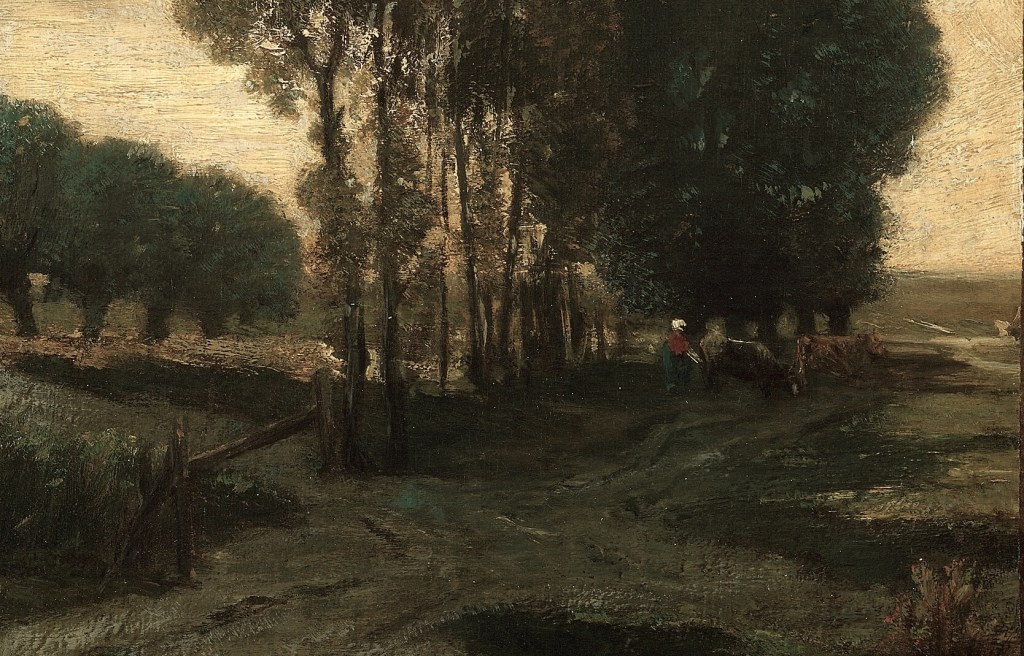
Charles Émile Jacque. Monk at Prayer, n.d. The Art Institute of Chicago
Related Verses
More verses about prayer and vigilance:


Prayer Invitation
Application Questions
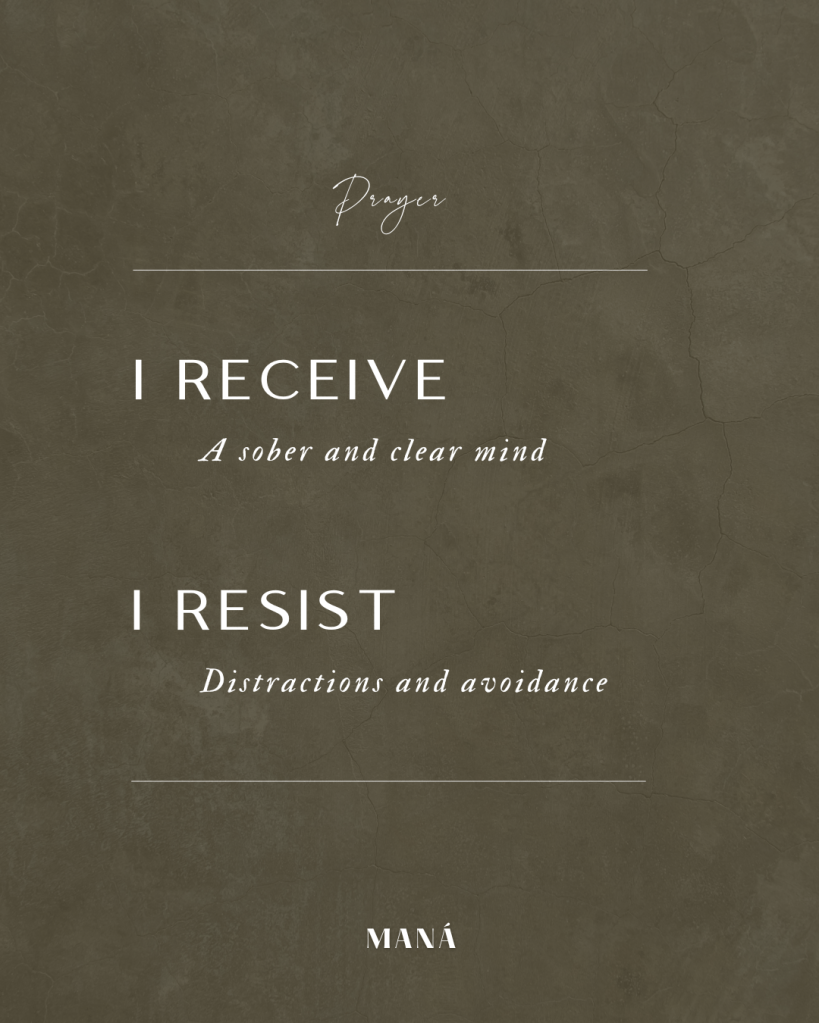
- What causes you to be distracted or lack consistency with prayer? Are there alterations that could improve the opportunity to pray more often?
- Does your prayer life need attention? How can you be more “watchful” and “thankful in prayer?
- What changes can you make today to have a better prayer life? How can you be more prayerful for others in your life?


 MANÁ
MANÁ 
Leave a comment