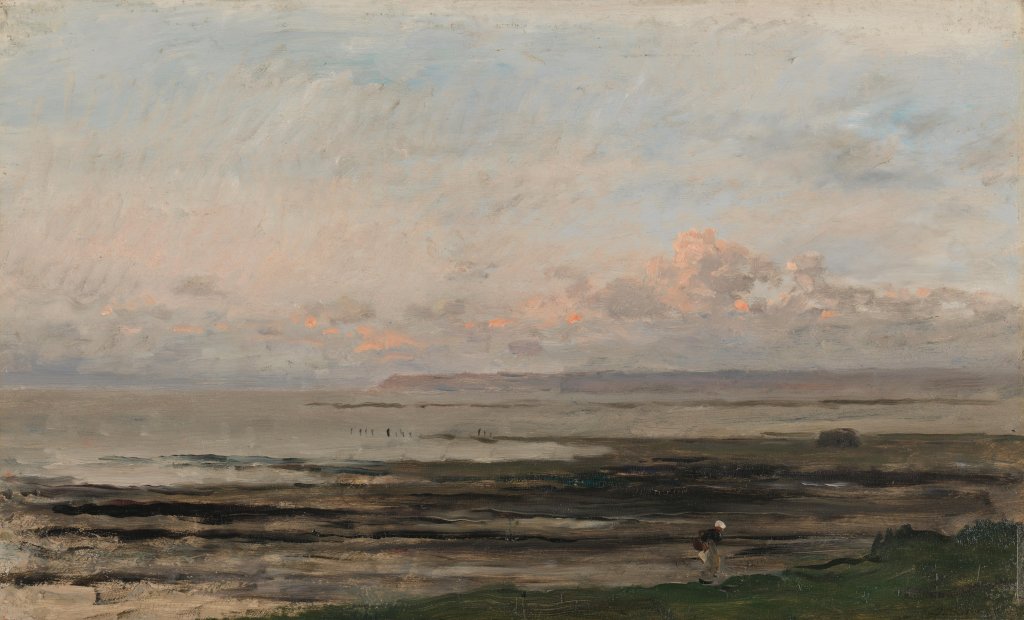
If I speak in the tongues of men or of angels, but do not have love, I am only a resounding gong or a clanging cymbal. If I have the gift of prophecy and can fathom all mysteries and all knowledge, and if I have a faith that can move mountains, but do not have love, I am nothing. If I give all I possess to the poor and give over my body to hardship that I may boast, but do not have love, I gain nothing.
1 Corinthians 13:1-3
Scripture Notes
One of the misconceptions about 1 Corinthians 13 is that it is limited to romantic love. But this love actually refers to a selfless, sacrificial, and generous heart that is shown to all people, not just those we happen to be in a relationship with. Nor is this love just about a feeling or a good deed. Love is a state of being, a life lived, breathed, and a complete mindset. Love is about looking out for others; it is not about building one’s own kingdom or worshipping wealth and power. Love is often what is done out of sight, not full of fanfare and parades. Look for those who are not using their good deeds as a means of performance or self-righteous recognition, and there you will find faith in love.
We should not presume that spiritual gifts are outdated and no longer relevant today. Our connection with the spiritual is alive and well, but what has happened has been the despiritualization of those gifts. All too often, spiritual gifts are performative, seeking personal gain, garnishing earthly acclaim, or all the above. There is also apprehension of one who claims to have been given a powerful gift from God, due to a lengthy history of charlatans and because of ruthless religious leaders who are more eager to condemn than believe. Regardless of the modern age, we have not become so enlightened or educated to such a height that we no longer require God. Our gifts should cause us to bring glory to God, work toward a common good, edify the church, and strengthen the faith of the believer.
Love is what truly connects us to God. Through love, we can understand the heart of the Father who watched his image forsake him and yet would not utterly destroy His creation (Gen. 9:9–11, Gen.12:1–3, Jeremiah 31:35–37). We know the love of the Father who gave up His only Son to die, to redeem us from death (John 3:16, Rom. 8:32, 1 John 4:9). We understand the love of Christ, who came willingly to be sacrificed and loves us beyond comprehension (John 13:34, John 15:13, Ephesians 3:18-19). We know the love of the Spirit causes us to bear fruit that intercedes on our behalf (Rom. 5:5, Gal. 5:22, Col. 1:1-8). Love was built into the fabric of this world. As believers, we have a responsibility not just to talk about love, but to act with love, exude love, and be pillars of truth. As in 1 John 3:18, it says, “Dear children, let us not love with words or speech but with actions and in truth.”
Let us look at the next section of 1 Corinthians 13:
Love is patient, love is kind. It does not envy, it does not boast, it is not proud. It does not dishonor others, it is not self-seeking, it is not easily angered, it keeps no record of wrongs. Love does not delight in evil but rejoices with the truth. It always protects, always trusts, always hopes, always perseveres.
Love never fails.
Now imagine these words not at a wedding ceremony, but with someone who is in disagreement, is different in appearance or lifestyle, speaks hurtful words, stays silent, perpetuates suffering, or demoralizes. We are not called to remain in immaturity or act childishly. As believers, we need to recognize our purpose and how it is intertwined with our spiritual gifts, using both for the glory of God and for the common good, for nothing matters if it is not done in love; sacrificial, selfish, peaceful, faithful love.
But where there are prophecies, they will cease; where there are tongues, they will be stilled; where there is knowledge, it will pass away. For we know in part and we prophesy in part, but when completeness comes, what is in part disappears. When I was a child, I talked like a child, I thought like a child, I reasoned like a child. When I became a man, I put the ways of childhood behind me. For now we see only a reflection as in a mirror; then we shall see face to face. Now I know in part; then I shall know fully, even as I am fully known.
And now these three remain: faith, hope and love. But the greatest of these is love.
MEMORY VERse

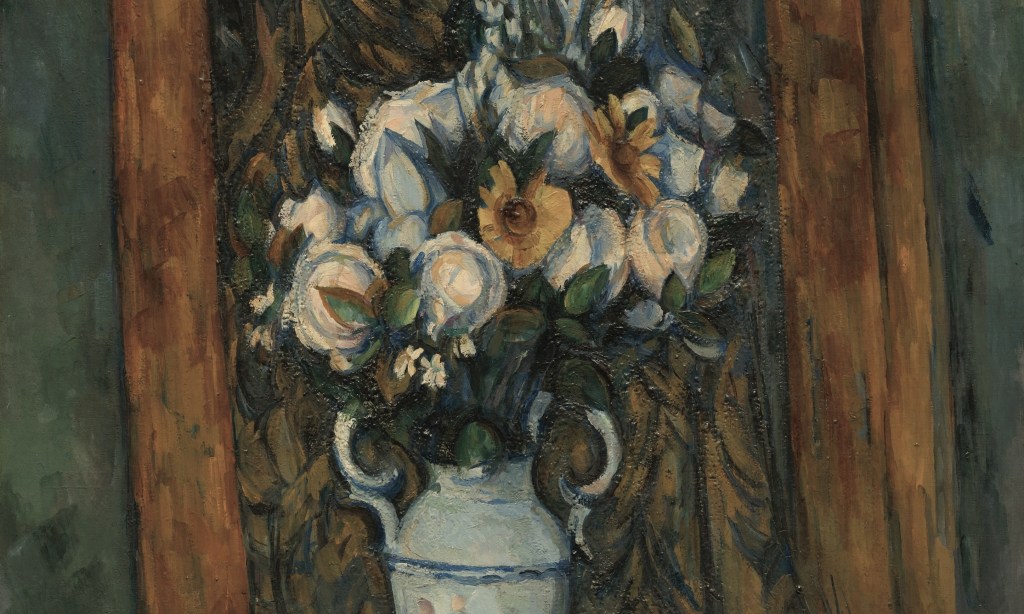
Julian Alden Weir. Flowers in a Japanese Jar, 1889. The Minneapolis Institute of Art
Related Verses
More verses about the importance of love:
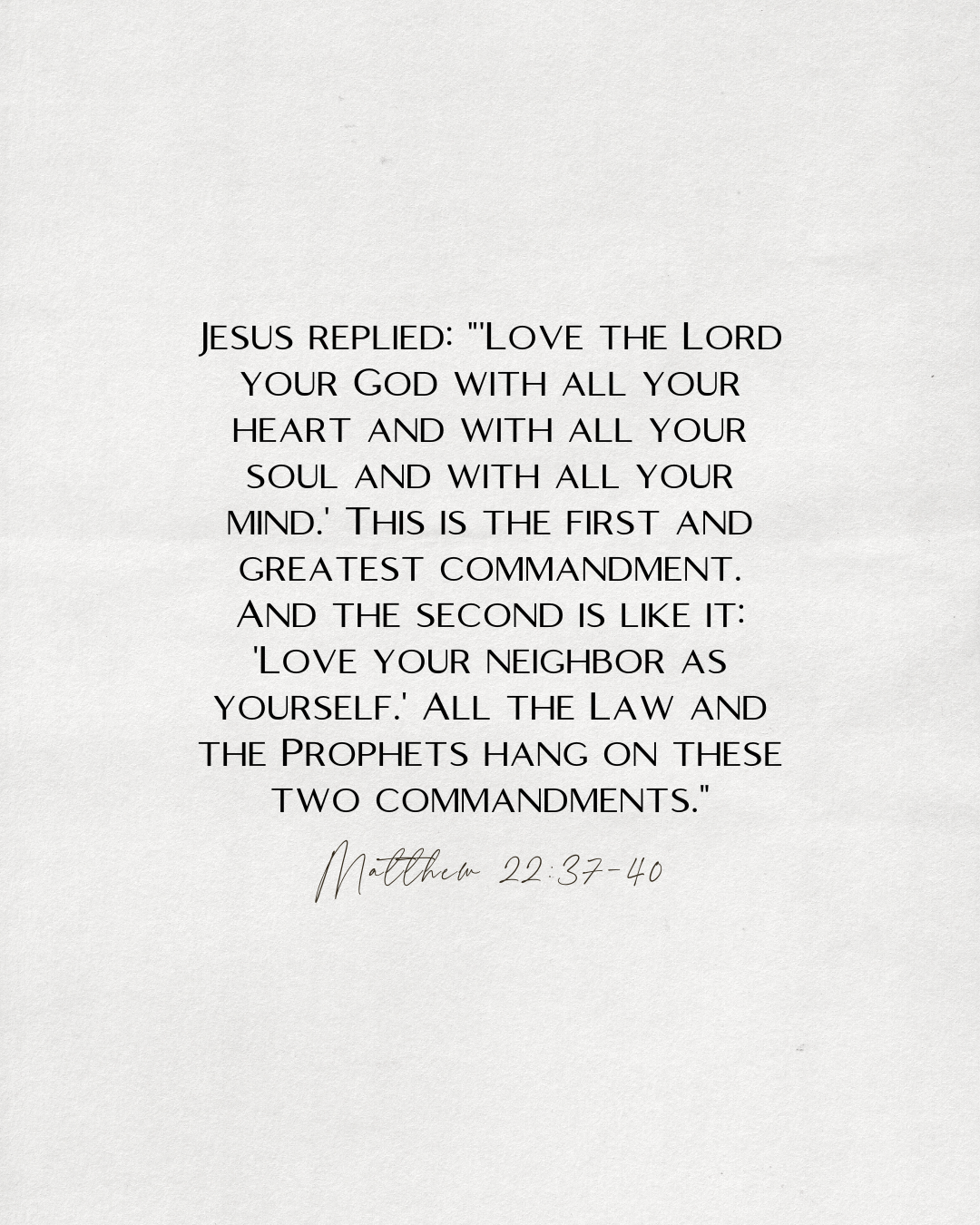
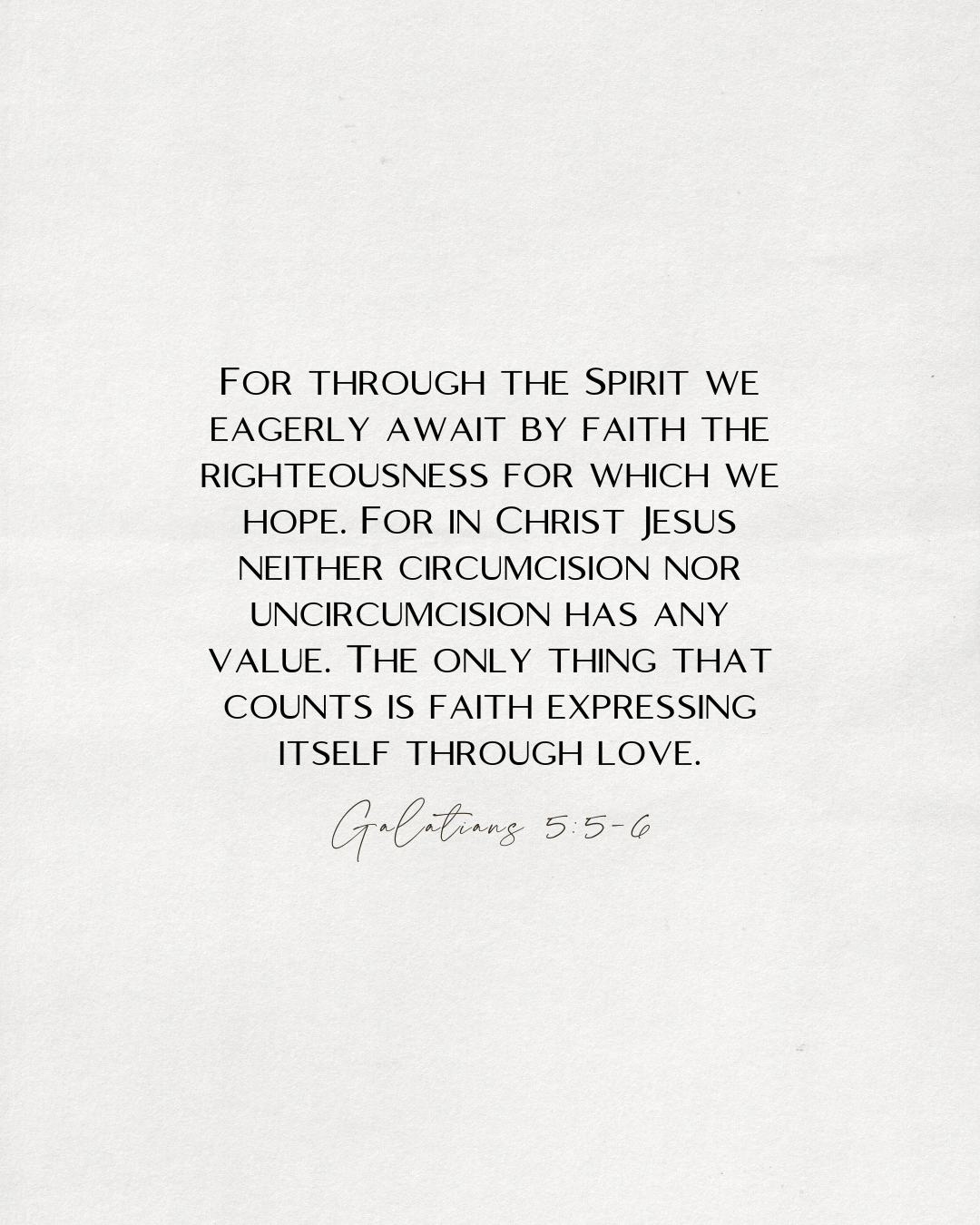
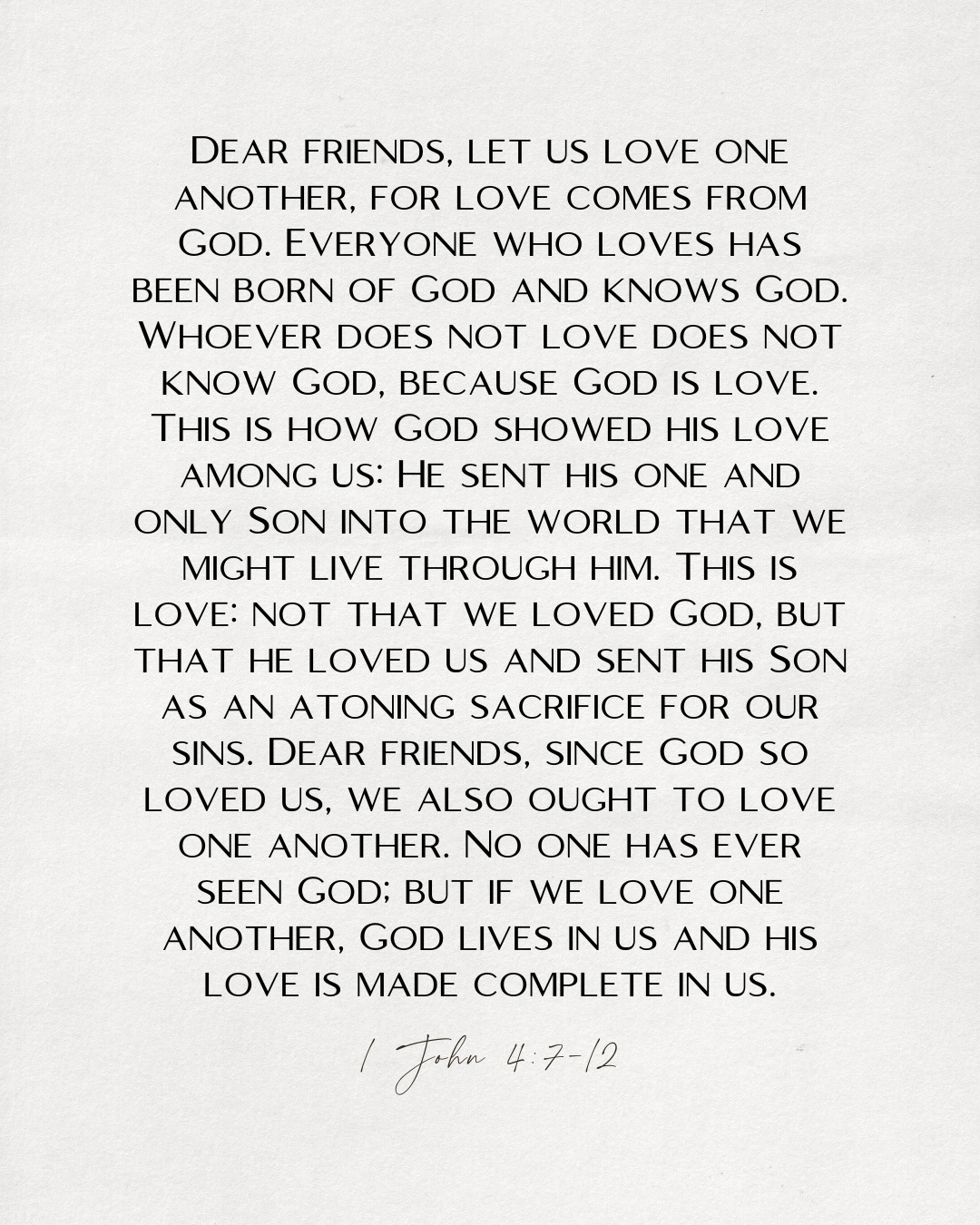
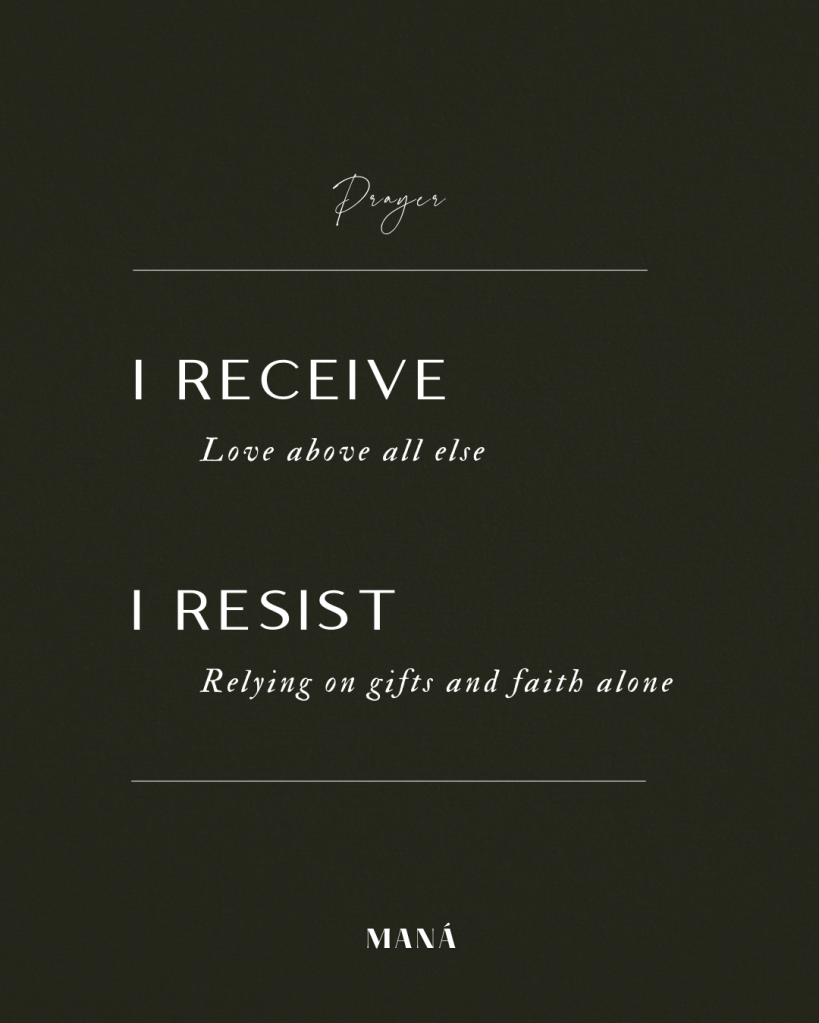
Prayer Invitation
Application Questions
- How does the connection between faith and love influence your approach to life’s challenges?
- How can the teachings of love be applied to encourage unity and growth within your local community?
- How does the emphasis on love challenge your understanding of spiritual gifts and your purpose?
 MANÁ
MANÁ 
Leave a comment