
So from now on we regard no one from a worldly point of view. Though we once regarded Christ in this way, we do so no longer. Therefore, if anyone is in Christ, the new creation has come: The old has gone, the new is here! All this is from God, who reconciled us to himself through Christ and gave us the ministry of reconciliation: that God was reconciling the world to himself in Christ, not counting people’s sins against them. And he has committed to us the message of reconciliation. We are therefore Christ’s ambassadors, as though God were making his appeal through us. We implore you on Christ’s behalf: Be reconciled to God. God made him who had no sin to be sin for us, so that in him we might become the righteousness of God.
2 Corinthians 5:16-21
Scripture Notes
Often, as believers, we should recognize the wisdom in stepping back to broaden our perspective. Still, we must also look more deeply into fellow image bearers—examining their hearts and souls, not just their outward appearances. The world tends to categorize people by status and labels, but God sees the whole person and the complete creation He desires each individual to become. Often, Jesus is seen merely as a prophet, teacher, rabbi, or just a poor Jew wandering the earth, with people focusing only on His status or outward appearance. However, once in a relationship with Christ, we see His deity and holiness—He who allowed Himself to be sacrificed for us. Instead of judgment and condemnation, we must view others, whether we like them or not, as spiritual beings meant for salvation and reconciliation with the Almighty.
Many people focus on the personal experience of becoming a new creation, believing that difficult times are behind them and forgetting that no one on Earth escapes suffering. Often overlooked is the need to serve as agents of reconciliation, initiators of change within a broken system, and to repair what has been fractured. This can be as simple as helping two people in conflict communicate, or as complex as transforming bureaucratic, corporate, or government systems. We are all called to a ministry of reconciliation—to heal what has been damaged and reunite what has been divided. But how do we accomplish this?
Through Christ and His sacrifice, God reconciled Himself to the world; the stain of sin on our lives is washed away by death on the cross. Because God loved us so much, He sent His Son (John 3:16), and we have a responsibility to be reconciled to God, but also to one another by following the guidance of 1 Corinthians 13 to show love that is not self-seeking, not easily angered, and does not keep track of wrongs. Our reconciliation with God and others is not instantaneous, like flipping a switch from off to on. It requires action—moving into a relationship and living a life wholly dedicated to the work of restoration. We do not do this work alone but rely on the grace of God and trust in the sacrifice of our Savior.
Some people often believe that only church or faith leaders should set the example of faith and draw people to the Lord. However, Paul reminds us that we are all ambassadors, representatives of living a “Christ-like” life, which means living a life of service rather than seeking fame, fortune, or power. For we have spiritual wealth in the glory of the Lord, power from an almighty God, and we are heirs to the King. What on earth could surpass a position like the one we are offered when we reconcile ourselves with God?
2 Corinthians 5:21 is often quoted and used in Sunday school classes, but what does it really mean? Did Jesus actually sin, or was he merely a sin offering? No. Instead of death forever separating us from God, Christ paid our debt, and God credited us with his righteousness. This gift of grace was not a reward or even earned. It is simply an offering of love given freely, and all we have to do is accept it, hold on to it, and share the hope we have. This does not mean we are guilt-free and will never do wrong again. We might even do more wrong knowing the truth and being held accountable for understanding the commandments of the Lord. But those faults do not separate us from God (see Security in Unbreakable Love). The truth that the Son of God, without fault or blemish in his heart, paid the ultimate price for us should move us toward a new life, one focused on reconciliation and harmony.
MEMORY VERse

Rembrandt van Rijn. The angel appearing to the shepherds, 1634. The Rijksmuseum
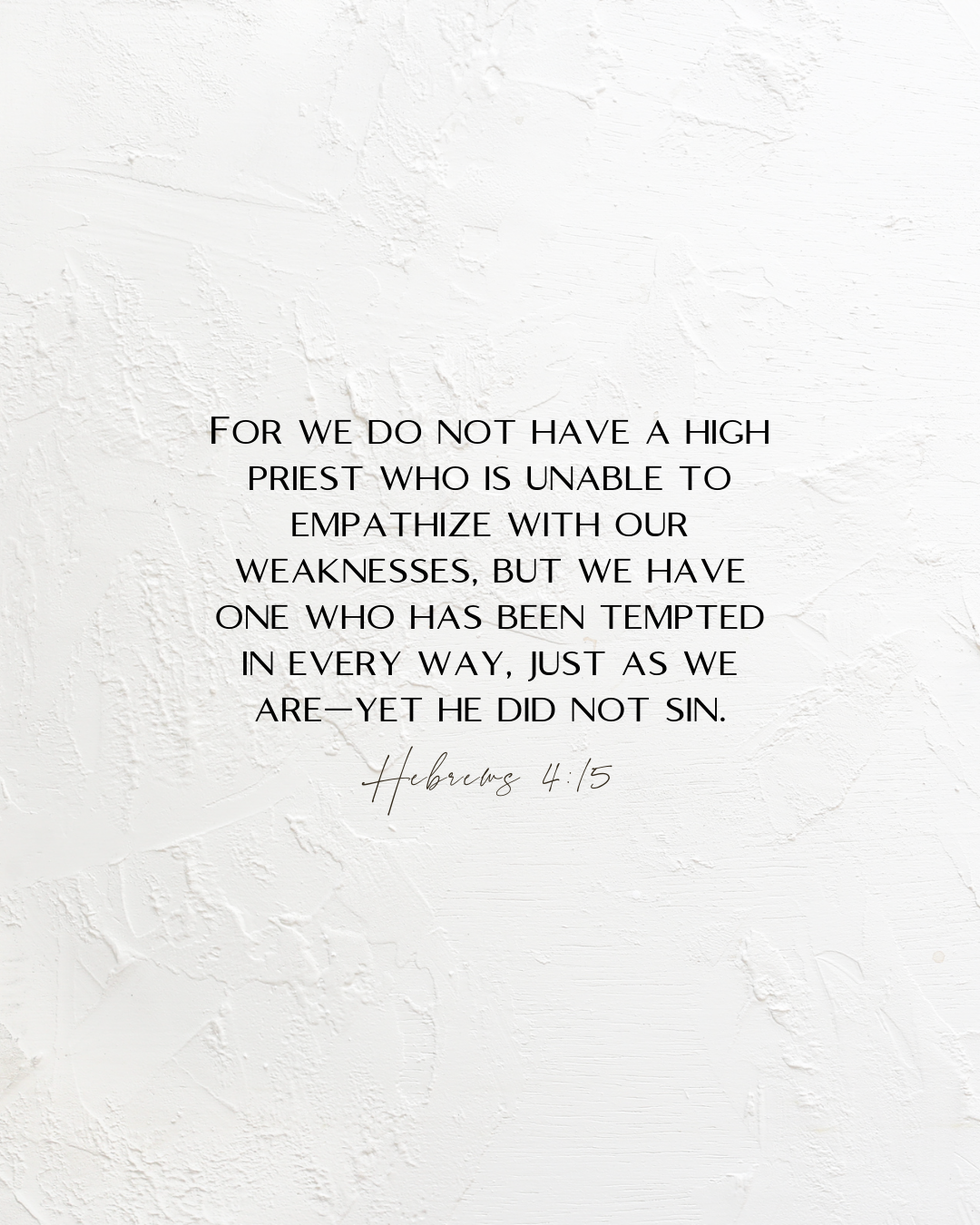
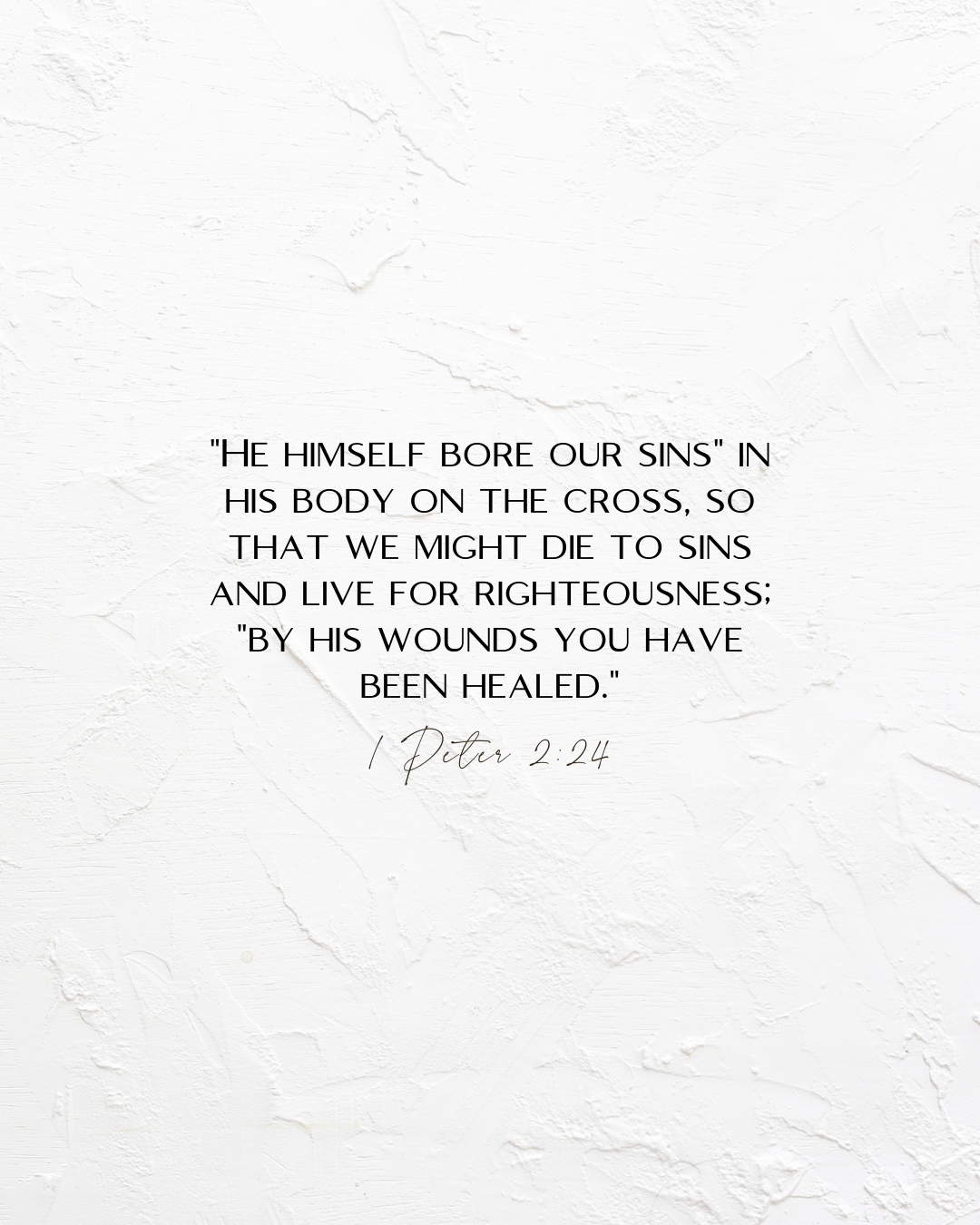
Related Verses
More verses about new life and reconciliation:

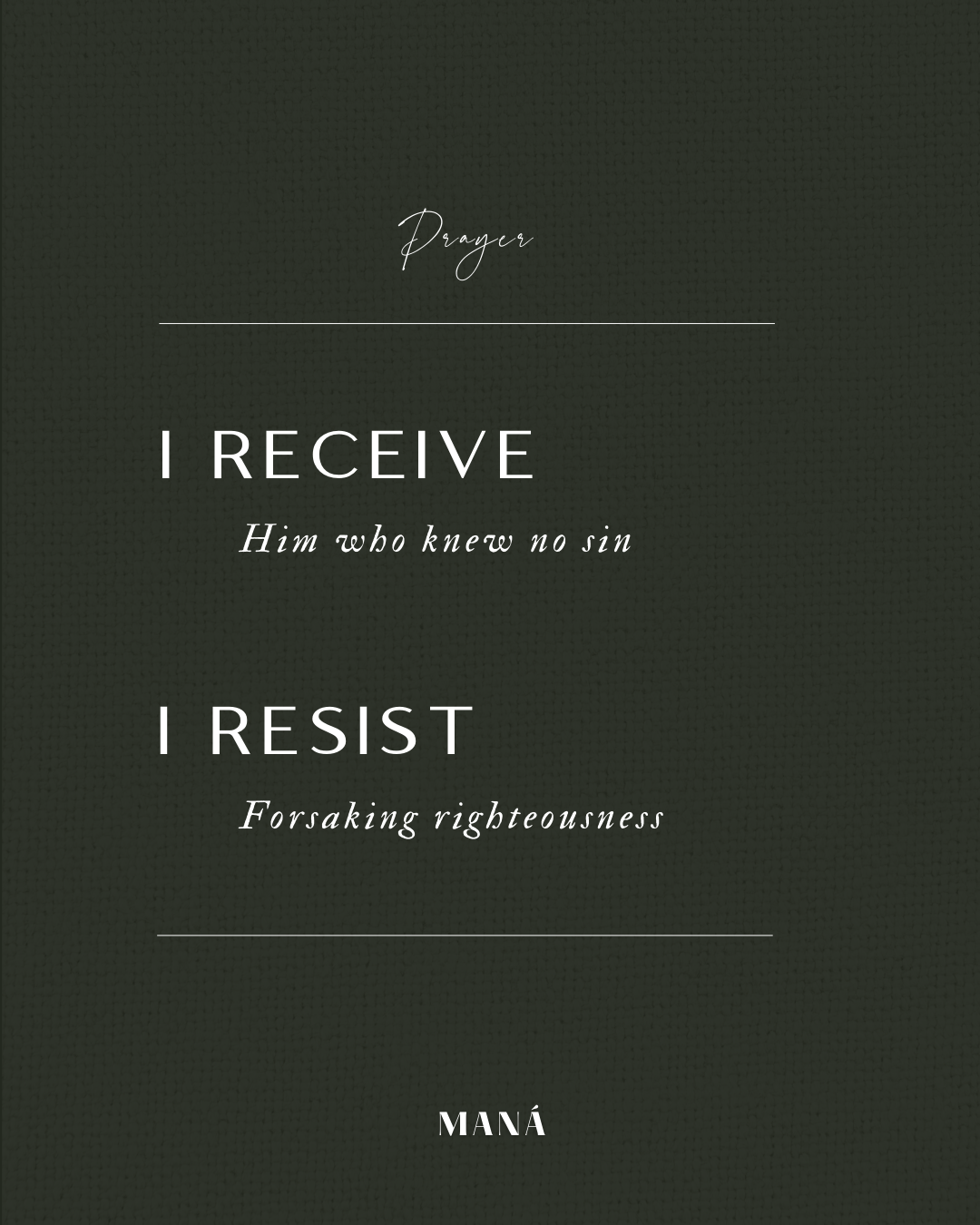
Prayer Invitation
Application Questions
- How can you evaluate others and situations with a new perspective, focused on Christ?
- How can you represent Christ in your community and relationships and be an ambassador of faith, hope, and love?
- How does the love of Christ motivate you to live a different life, a new life?




 MANÁ
MANÁ 
Leave a comment