I praise you because I am fearfully and wonderfully made; your works are wonderful, I know that full well. My frame was not hidden from you when I was made in the secret place, when I was woven together in the depths of the earth. Your eyes saw my unformed body; all the days ordained for me were written in your book before one of them came to be. How precious to me are your thoughts, God! How vast is the sum of them! Were I to count them, they would outnumber the grains of sand—when I awake, I am still with you. If only you, God, would slay the wicked! Away from me, you who are bloodthirsty! They speak of you with evil intent; your adversaries misuse your name. Do I not hate those who hate you, Lord, and abhor those who are in rebellion against you? I have nothing but hatred for them; I count them my enemies. Search me, God, and know my heart; test me and know my anxious thoughts. See if there is any offensive way in me, and lead me in the way everlasting.
Psalm 139:14-24
Scripture Notes
Psalm 139:13-14 has been a well-used verse, whether discussing the arrival of a new child or debating moral points. Either way, it does not seem that we fully grasp the message of this Psalm. We are reminded immediately of the great complexity of human creation. Every time a child is created, they are a masterpiece molded and shaped by the Creator. This creation transcends physical attributes and delves deeper into the essence of a person. None of us is made alike; each of us is knitted together for a different calling and purpose—unique and brilliant. But mankind has a tendency to distort the beauty of creation by being oppressive, confining, and judgmental.
David praises the remarkable nature of human creation. He knew the scientific aspects of a person, but had seen enough to realize that God’s creativity is limitless. We know much more about the human body scientifically than David did. We know there are four chambers in the heart, 206 bones in an adult, and the complexity of red and white blood cells. We have learned a great deal, yet there is still much we do not understand. Too often, our society marvels at its own discoveries and believes there’s nothing more to learn, settling into a state of indifference. Curiosity and discovery are often viewed as useless in an age of abundant information. Even though we live in the digital age and new discoveries about the human body happen constantly, we will never truly understand the full complexity and intricate details of a person. This should fill us with awe and wonder, leading us to praise our true Maker.
As each of us was formed in the darkness of the womb, God could see in the very depths the tiny, slowly forming being. We were not hidden from God, nor are we hidden after being born. He knows our inner tumult and our joys. He sees and knows it all; nothing can be hidden from Him. From before our conception to after our passing, God knows each and every one of us, a masterpiece of His own creation.
Even before we took our first breath, our days were written in the Book of Life. Yet, none of us knows the exact number of days we have on this earth, but that is not the point. Our purpose is to do God’s will, which he clearly said was to love the Lord your God and to love your neighbors as yourself. We are not meant to seek self-gratification or expect a guarantee of a certain lifespan. Likewise, we are not called to judge or police those around us. As James 4:11-15 states, if we judge others, then we are not keeping the law. Knowing that each person is made in the image of God does not give us the right to judge or harm others who see the world differently. We are called to love and share good news, not to condemn.
The thought of God creating and molding each of us leads to many questions that none of us can fully answer, such as: Are birth defects a mistake by God? Why was this person taken so young? Why did this person have to suffer? No one, not now, not ever, has been able to fully grasp the complexity and depth of God’s power and understanding (Ecclesiastes 11:5). We also haven’t fully accounted for the brokenness of this world. But we are reminded that God’s thoughts about us are so numerous that they outnumber the grains of sand. Infinite! We can marvel that He, who sustains the universe, also continually thinks about each one of us. This should not lead to self-love and neglect of our origins, but instead should inspire wonder and awe, not only at our creation but at the creation of every person we meet.
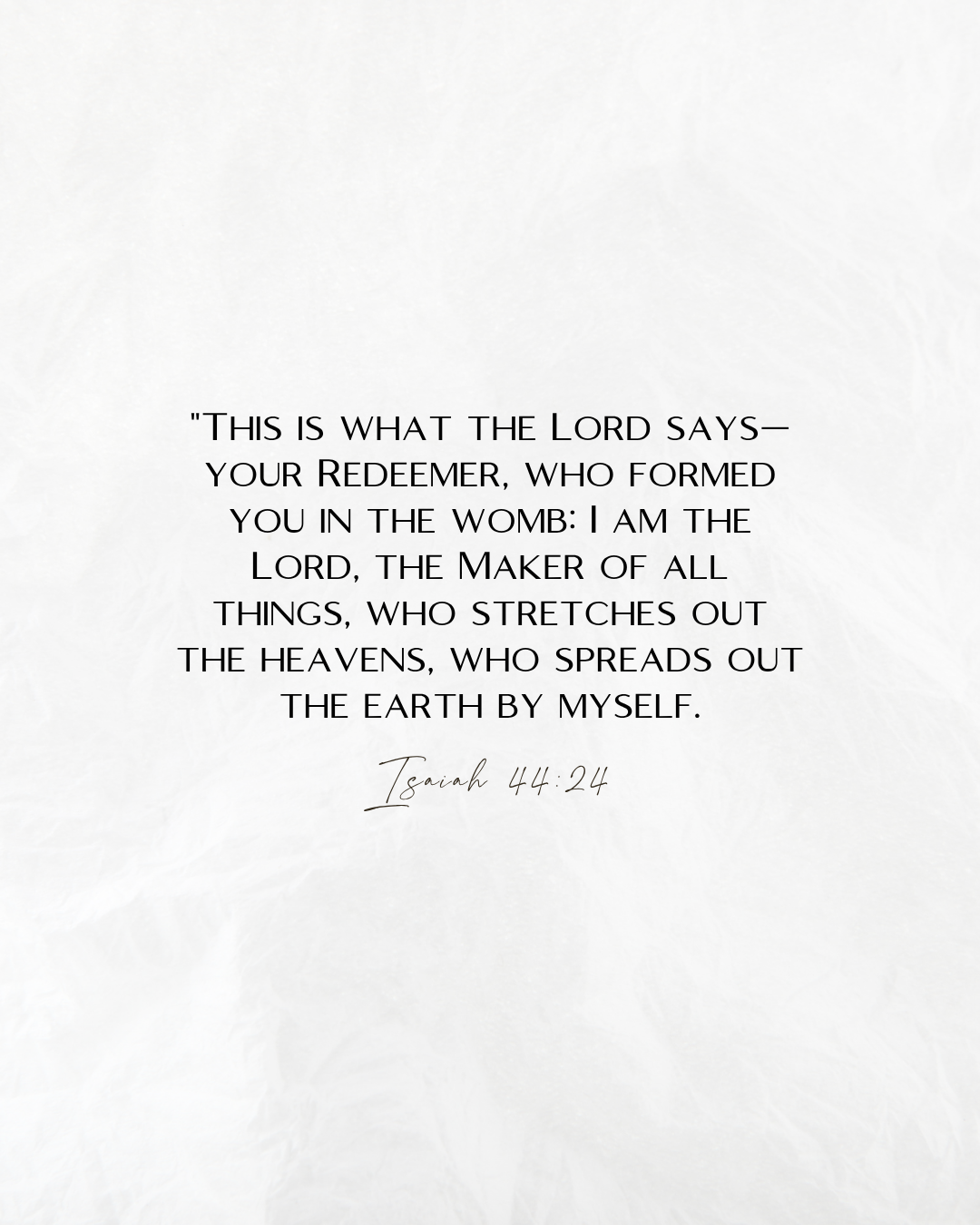
MEMORY VERse
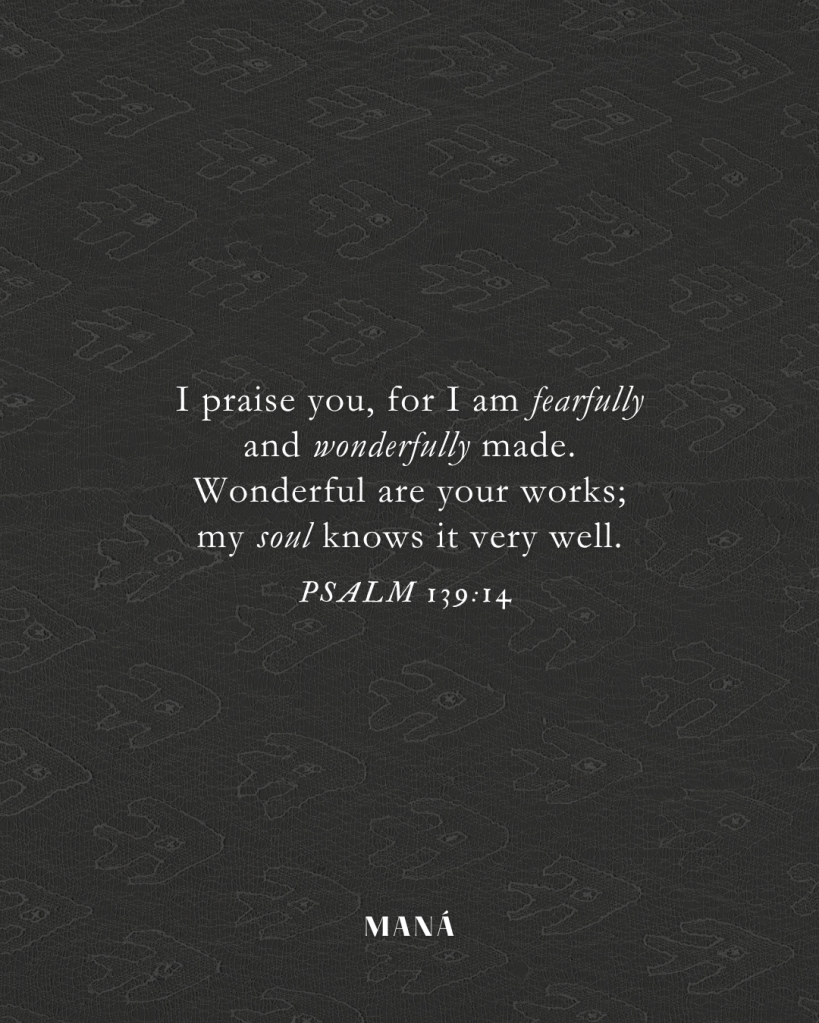
Chancay. Headcloth, 1000-1476. The Art Institute of Chicago
Related Verses
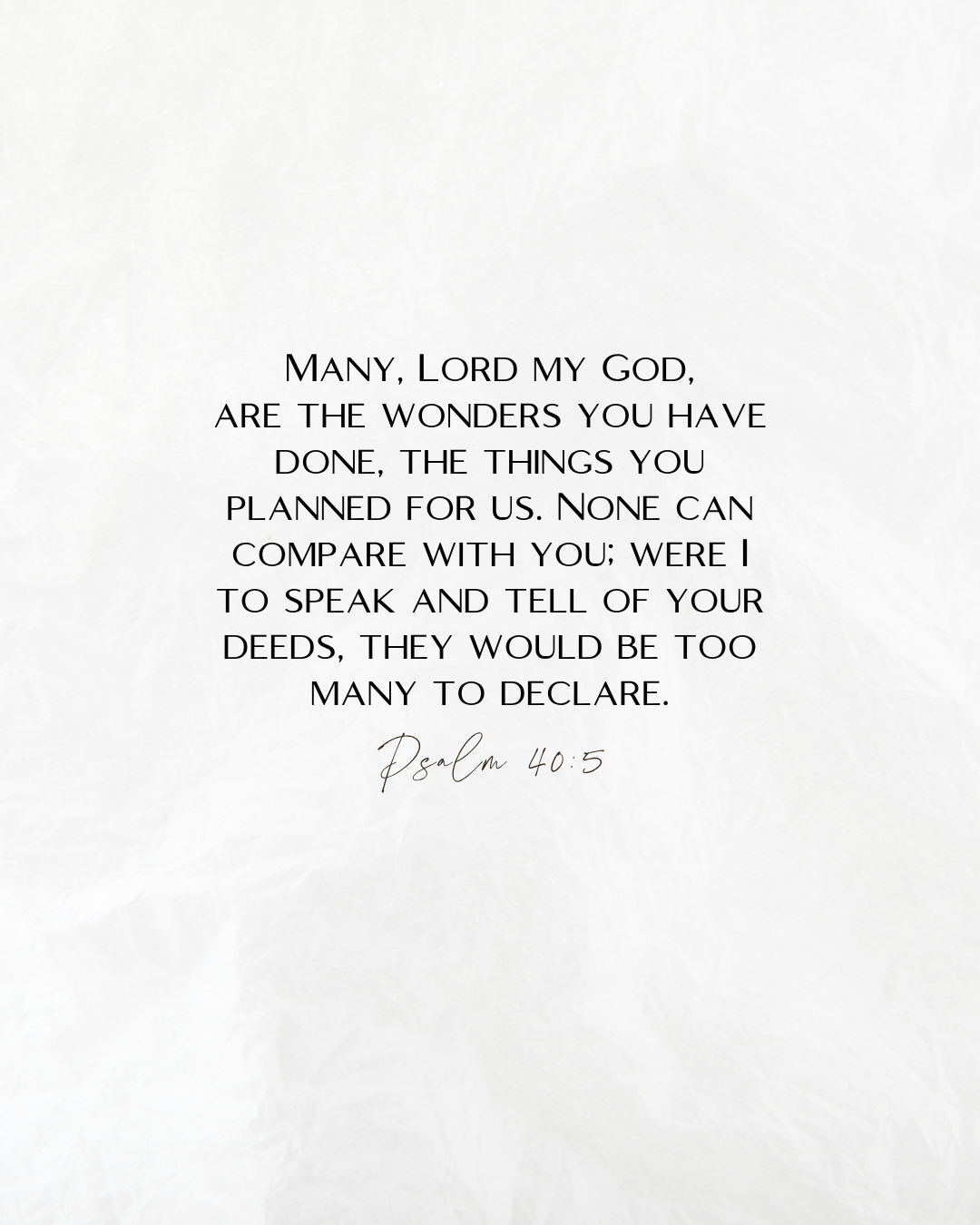
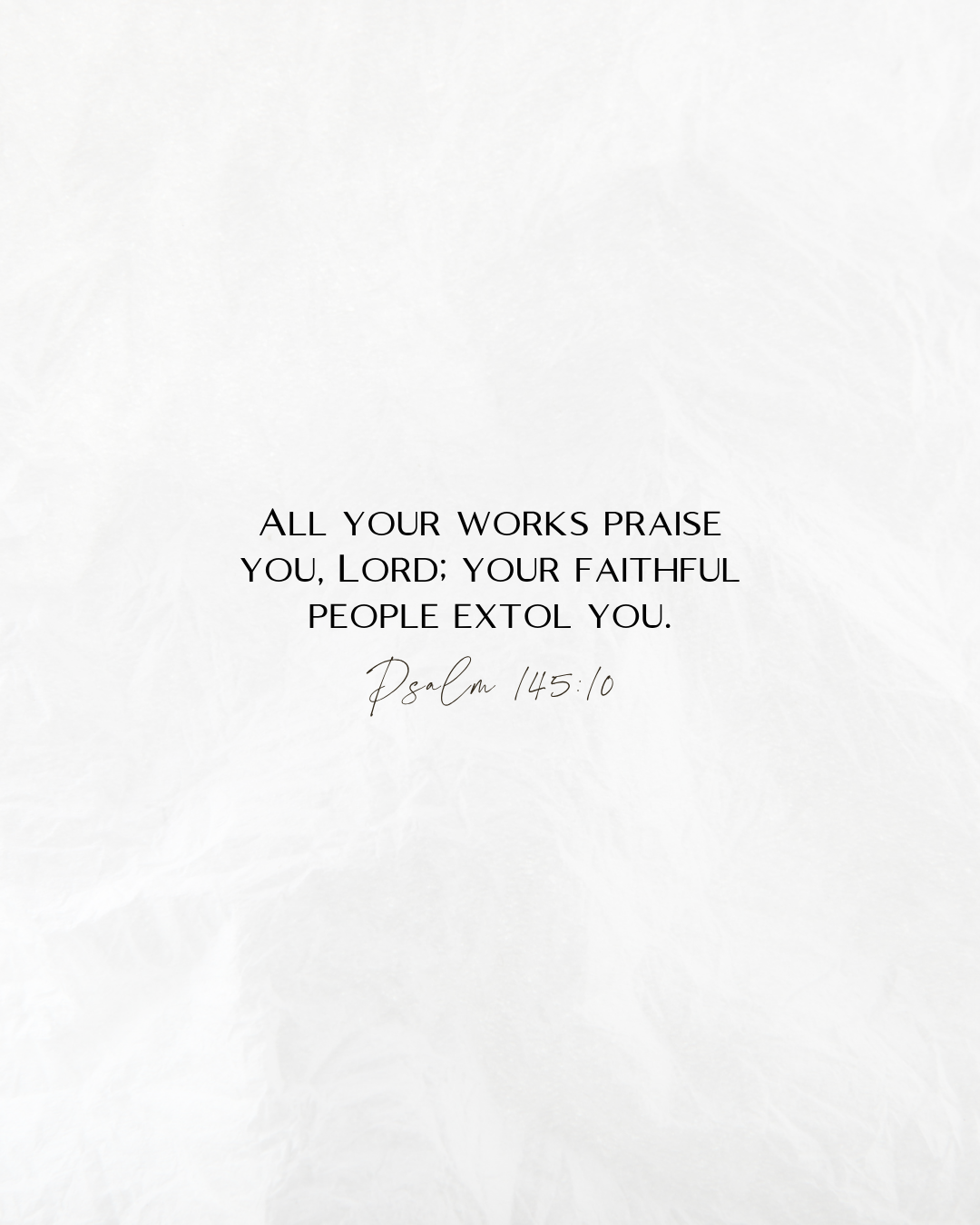
More verses about the wonder of our Maker:
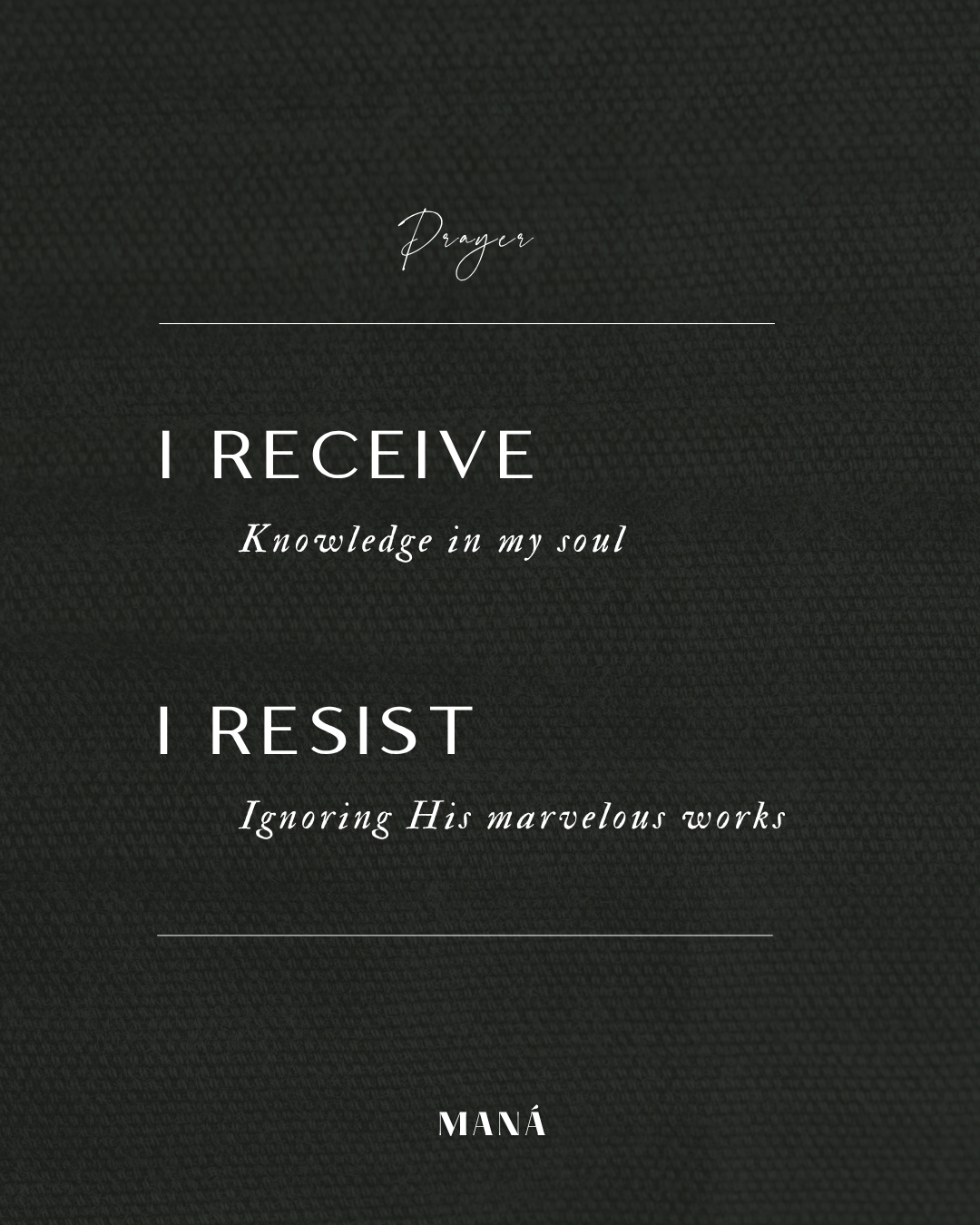
Prayer Invitation
Application Questions
- How should knowing that God created you with intention and purpose shape your daily decisions and actions?
- How can you remind yourself and others of your God-given purpose and individuality?
- How can you extend love and care to others, recognizing their inherent worth as God’s creations?
- How does the idea of God knowing you intimately, even before you were formed, comfort you, and how might it be awkward?
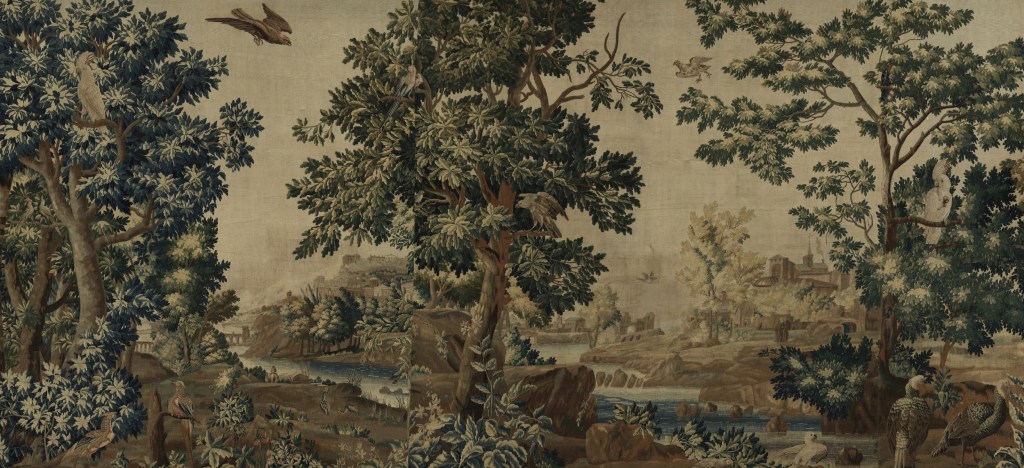
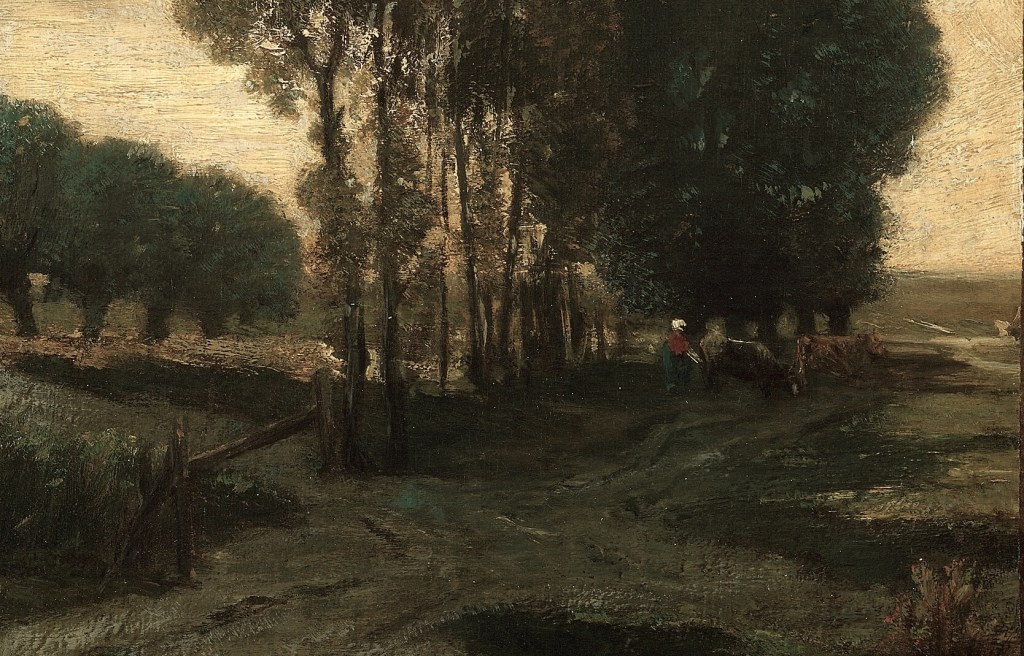
Cover Image: Alexander Baert. A forest and river view with birds, a fountain and a grave monument, c. 1700 – c. 1730. The Rijksmuseum
 MANÁ
MANÁ 
Leave a comment