
Do not boast about tomorrow,
for you do not know what a day may bring.
Let someone else praise you, and not your own mouth;
an outsider, and not your own lips.
Stone is heavy and sand a burden,
but a fool’s provocation is heavier than both.
Anger is cruel and fury overwhelming,
but who can stand before jealousy?
Proverbs 27:1-4
Scripture Notes
It is human nature to be completely confident in what the future holds. It is natural for us to plan for tomorrow, next week, next year, or even the next five years. There is nothing wrong with planning for retirement, extended vacations, and the family’s future. We need to plan wisely for the future, but our overconfidence in our ability to control time presumes upon God’s plans, which no one can do. No one knows God’s mind.
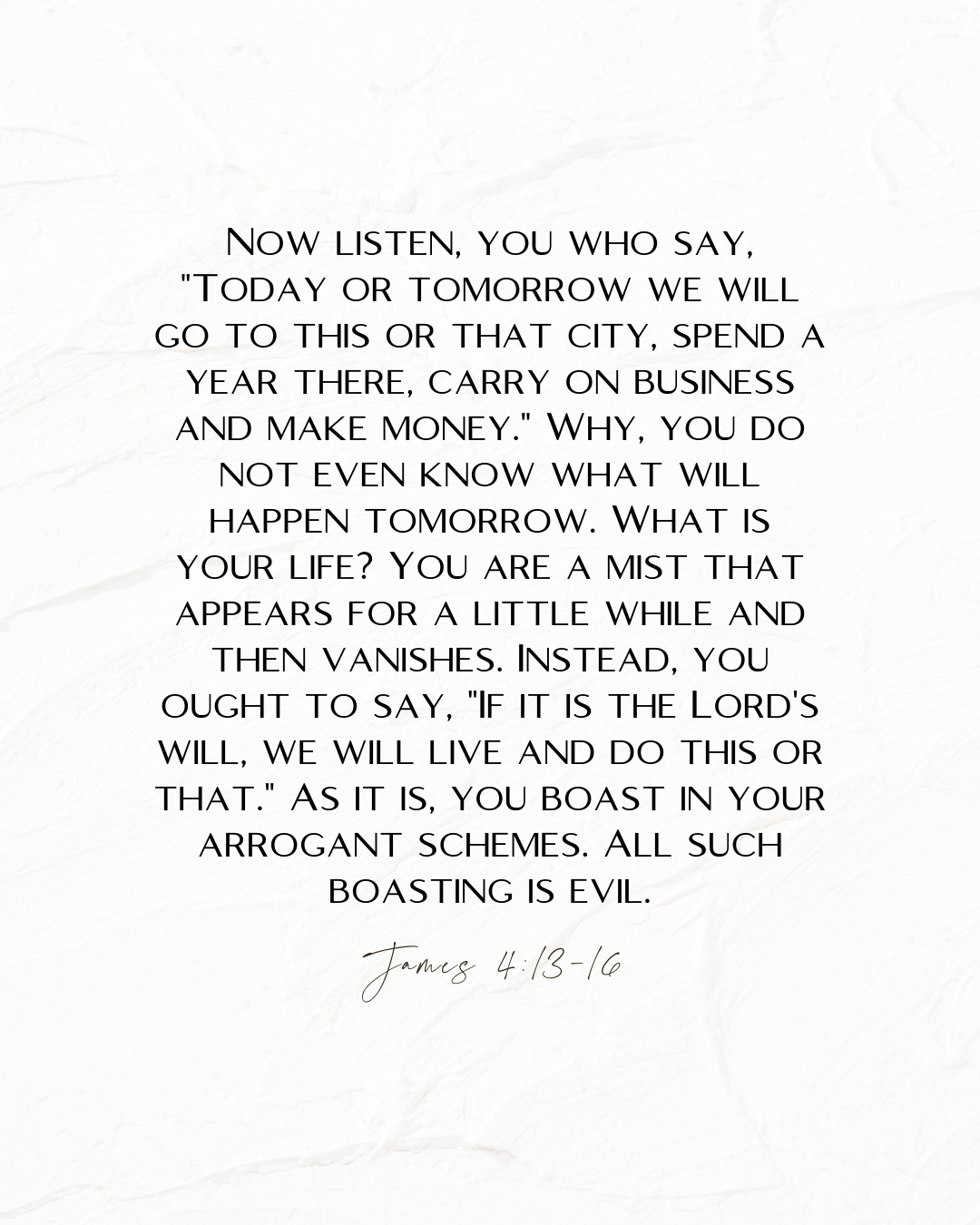
In James 4:13-14, the disciple writes, “Come now, you who say, ‘Today or tomorrow we will go to such and such a city, spend a year there, buy and sell, and make a profit; whereas you do not know what will happen tomorrow.’” In verse 15, instead, you ought to say, ‘If the Lord wills, we shall live and do this or that.” Are we relying on ourselves too much? Do we go to prayer during our planning sessions, calling on God for wisdom? Charles Spurgeon once said, “Consider what a blessing it was that we do not know what a day may bring forth.” Could you imagine knowing what tomorrow would be like? Would it change your short-term plans or your long-term plans?
We often make our plans without considering God’s intentions for us. Our agendas, arrangements, and considerations can fail us far too easily, but God’s plans are always perfect. His perfect plan does not imply a life without hardship; instead, it provides wisdom and guidance through our struggles and disappointments. Our minds are finite, limited by our own perspectives and experiences. In contrast, God’s mind is infinite; He knows all things at all times, understands every perspective, and sees all experiences.
How do we respond when we have everything in order, all planned to perfection, and then one thing goes wrong? Do we scream, “WHY?” Or do we ask what God’s plan is? This is about humbling ourselves and trusting God in all things. Humility reminds us that God is sovereign and controls everything, not us. In His sovereignty, we should trust that He knows better than we do. When we humble ourselves, we do so by trusting God, who is wiser, more powerful, all-knowing, and eternal. God never changes; He is the same yesterday, today, tomorrow, and forever. When we truly humble ourselves and trust in Him fully, we can have complete confidence that He will stand by His promise never to leave nor forsake us and that He has overcome the world. We can trust His plans for our lives, His grace, even if we do not deserve it, and the gift of salvation.
By P. D. Deckard
MEMORY VERse

Image: Jo Bezaan. Forest path, 1925. The Rijksmuseum
Related Verses
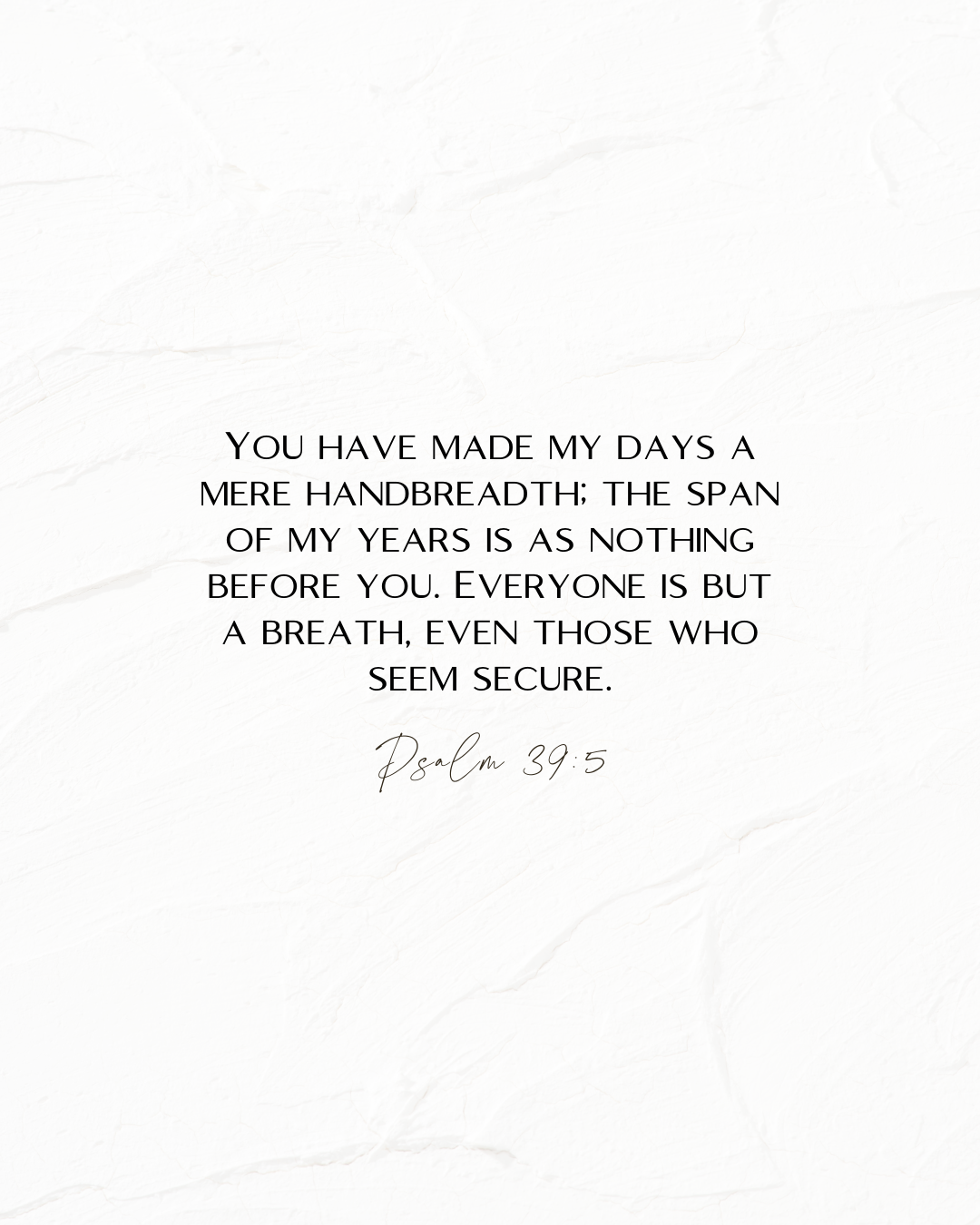
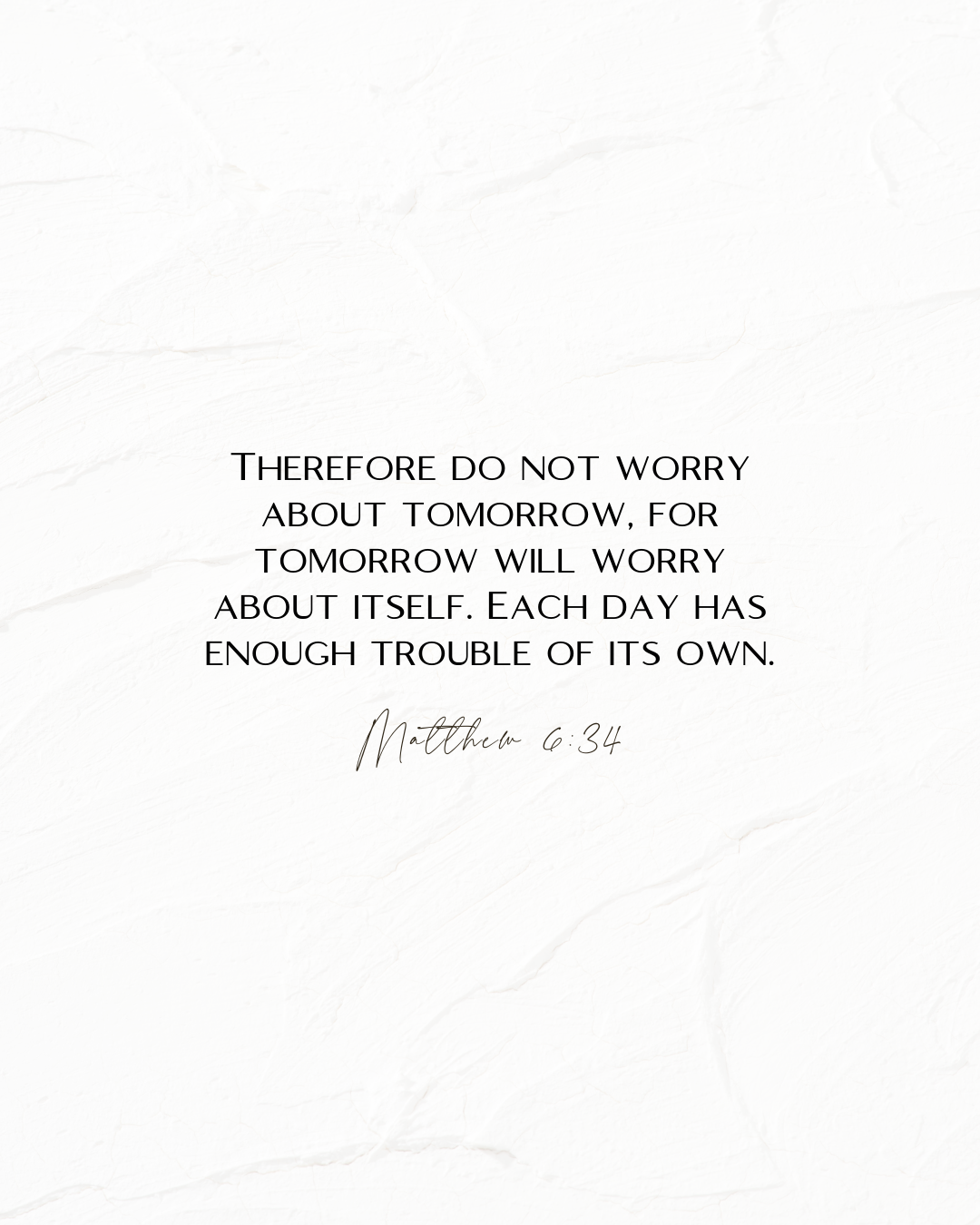
More verses about humbly trusting God’s plan:
Prayer Invitation
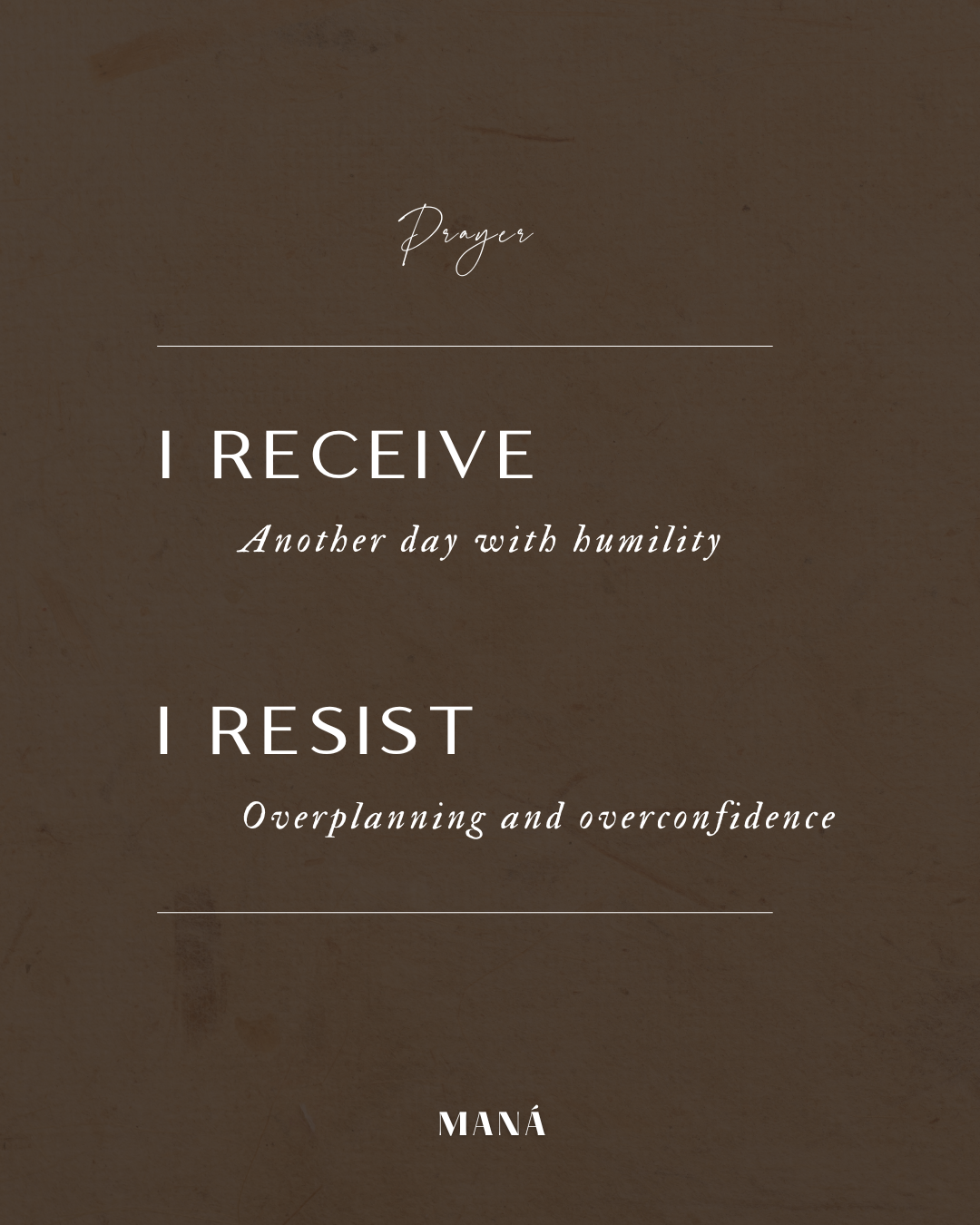
Application Questions
- How can you remember to go to God the next time you make plans? Will you go to prayer?
- How or in what situations can you begin to use the statement ‘Lord willing’?
- How can you become more humble and trust God’s plan instead of your own?
Cover Image: Joseph Michael Gandy. Landscape with rising sun, 1828. The Metropolitan Museum of Art



 MANÁ
MANÁ 
Leave a comment