At this, Job got up and tore his robe and shaved his head. Then he fell to the ground in worship and said:
“Naked I came from my mother’s womb,
and naked I will depart.
The Lord gave and the Lord has taken away;
may the name of the Lord be praised.”In all this, Job did not sin by charging God with wrongdoing.
Job 1:20-22
Scripture Notes
At this, Job got up and tore his robe and shaved his head. Then he fell to the ground in worship.
Immediately after experiencing unimaginable loss, Job grieves deeply. However, Job does two things that many of us often overlook after facing hardship or struggle: he allows himself to feel his emotions and falls to the ground in worship of God rather than blaming Him. Too often, believers quickly bypass the humility of acknowledging their own mortality and rush to say, “He giveth and taketh away,” a phrase learned in Sunday School. Job shows that grieving is not only a natural response but also a necessary one. Minimizing or denying sorrow only intensifies the grief, leaving a lasting negative impact on our lives. Mourning reflects our suffering, helps us recognize our own insignificance, and allows us to release the emotions we are holding onto.
Not for a single moment did Job blame God. He fell to the ground, not accusing, berating, or challenging Him. He worshiped Him, recognizing his own mortality and insignificance. Are we humbling ourselves enough? When things don’t go as we desire, do we shake our fists, or do we clasp our hands in prayer? Job demonstrated that humility is a sign of faith, and when faced with the Almighty God, who are we to confront Him? When hardship strikes, we should worship God for what He has provided and understand that He always provides. If hardship affects others, we ought to mourn with those who mourn before we loftily quote scripture about how the Lord gives and takes away.
“Naked I came from my mother’s womb, and naked I will depart.
We are reminded once more of our mortality when how man was first formed. Job understood the transient nature of his existence and that everything he possessed on earth would someday be his no longer. However, his body is merely a vessel, one crafted by the Creator that will be returned to the Creator when his time comes. He may have been reflecting on Gen. 3:19, which states, ‘for dust you are and to dust you will return,’ as well as the recognition of his own frailty. (Psalm 103:14)
Humility drives Job to understand that, regardless of wealth, estates, or even family, God is the only eternal connection he has. Whether wealthy or poor, with a large family or none, he would part with all at his death. But God remains. God knew Job as he was being formed (Psalm 139:15), God knew Job amidst his hardship (Psalm 16:8), and God will redeem and prepare a place for him (Job 19:25).
The Lord gave and the Lord has taken away; may the name of the Lord be praised.”
The essence of Job’s message is clear: the things we have on this earth do not truly belong to us. They are part of this world, and when we pass on, we cannot take them with us. Our possessions are shared with others. It is important to recognize that we should share what we have while we are living, not just after we die when we have no choice. Job acknowledged the temporary nature of his belongings. He realized that even his family was only with him for a limited time. He did not own or possess them. We do not create or acquire our possessions; they are entrusted to us by God.
The connection between Job and God is so sincere that he praises Him rather than complain. We are reminded repeatedly that material possessions do not draw us closer to God. No one can make a down payment for a spot in heaven, and no one can bribe their way in. A strong relationship with God is central to life. When we choose wealth, status, and power over sacrifice and faith, we stray from our true purpose. However, when we have faith and trust in God, all that the world offers fades away.
In all this, Job did not sin by charging God with wrongdoing.
Our failure as believers and non-believers lies not in our struggles but in our unwillingness to confront our own weaknesses and shortcomings humbly. Pridefully, we seek a scapegoat for our failures, and the greatest offense is to confront God with anger, arrogance, and entitlement. Yet Job, who lost everything and even suffered physically, did not attempt to place blame. He did not lash out at God or harm others. In this act of humility and acceptance, he did no wrong. He turned inward rather than outward in processing his grief.
Later, Job would challenge God. He questions His attention and justice, and God responds patiently. Instead of being neglectful, God explains that He is intimately familiar with every form and foundation of the world. Job, with his limited understanding, cannot grasp the vastness of God’s perspective. Nor is God unjust. God clarifies that He cannot be tamed or shaped by the whims of any individual.
Entire studies could be conducted on the justice and fairness of suffering. However, through Job, we uncover the complexities of life. The world is not meant to be free from suffering or chaos. God created form and order from emptiness and indistinguishability, yet we have been tasked with extending order and fairness rather than perpetuating chaos. We are never wrong for yearning to have an audience with God or for questioning Him in prayer. It is prudent to seek answers, but we should not assume we can control or demand anything from Him. Instead, we should focus on how we have fallen short, whether in good times or bad. The hope is to arrive at a point of acceptance where we can truly understand the Lord gives and takes away.
MEMORY VERse

Image: Emile de Baré. Country road with a church tower in the background, 1865 – 1902. The Rijksmuseum
Related Verses
More verses about having a strong faith amidst hardships:


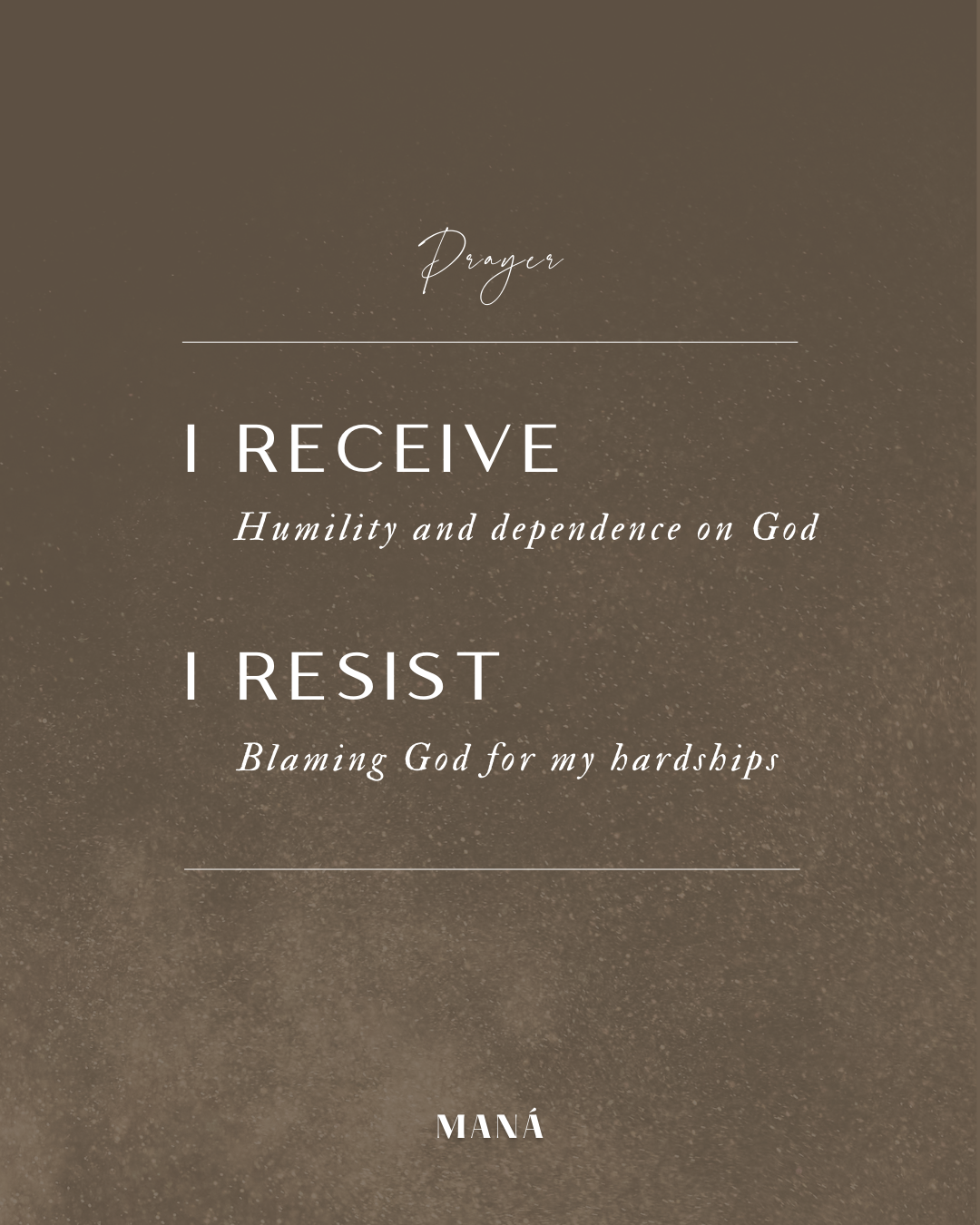
Prayer Invitation
Application Questions
- How do you reconcile the notion of a loving God with his permission to allow Job to suffer greatly?
- How do Job’s trials lead you to reflect on personal experiences of suffering?
- How does Job’s handling of his losses alter your perception of wealth and material possessions?
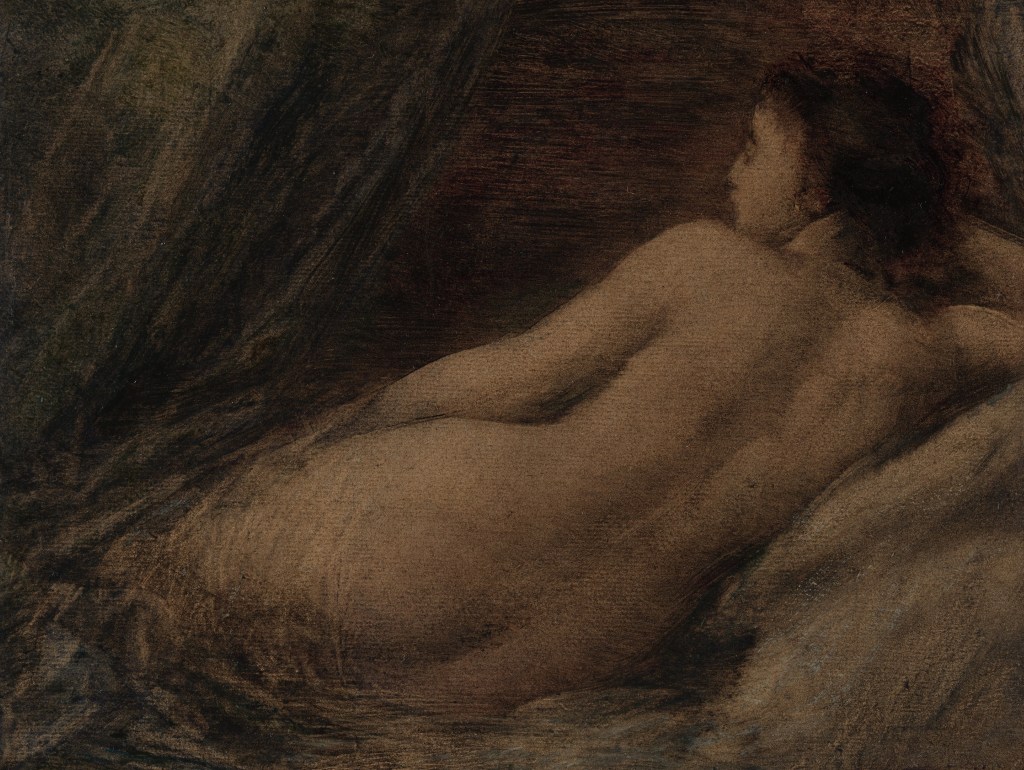
Cover Image: Henri Fantin-Latour. Reclining Nude, 1874. The Rijksmuseum



 MANÁ
MANÁ 
Leave a comment