
Whoever is patient has great understanding, but one who is quick-tempered displays folly.
A heart at peace gives life to the body, but envy rots the bones.
Whoever oppresses the poor shows contempt for their Maker, but whoever is kind to the needy honors God.
When calamity comes, the wicked are brought down, but even in death the righteous seek refuge in God.
Wisdom reposes in the heart of the discerning and even among fools she lets herself be known.
Proverbs 14:29-33
Scripture Notes
Patience is often mentioned as one of the higher virtues that a person or society should attempt to attain. To be patient is to be thoughtful, considering circumstances and weighing the consequences. Someone who is quick-tempered is reactionary and impulsive and does not consider what they are doing and how it will affect other people. Even so, just twelve verses before in vs. 17, we are told someone quick-tempered and prone to throwing a fit is still preferable to the man with wicked intentions. Not only does the man commit evil, but he also knows the harm it will cause. A quick-tempered man responds with animalistic instinct to his struggle, whereas a wicked man is calculating and will be hated for the evil he has conspired to create. A fool does not necessarily lack intelligence but ignores wisdom and reacts without provocation. Instead, we should be patient, not reactionary, and turn to prayer and reflection.
My dear brothers and sisters, take note of this: Everyone should be quick to listen, slow to speak and slow to become angry, because human anger does not produce the righteousness that God desires.
James 1:19-20
Often in scripture, there are examples of the interplay between mind and body. What affects the heart affects the body, and what affects the mind affects the spirit. A heart at peace signifies the interchange between spiritual and physical health. A peaceful heart is content, not envious, and even generous because they are in a place of serenity. If the heart is not at peace, it means the spirit feels incomplete, that something is missing. This is exemplified in envy, jealousy, and entitlement. We find ourselves demanding or needing things that do not belong to us and become resentful of what we do not have. And what does that do to the body? With envy in our hearts, we become anxious, depressed, bitter, and spiteful. Envy rots the bones. Instead, we must be sacrificial, not demanding material or earthly possessions. We are to walk in peace, full of mercy and truth, not strife.
Who is wise and understanding among you? Let them show it by their good life and by deeds done in the humility that comes from wisdom. But if you harbor bitter envy and selfish ambition in your hearts, do not boast about it or deny the truth. Such “wisdom” does not come down from heaven but is earthly, unspiritual, demonic. For where you have envy and selfish ambition, there you find disorder and every evil practice.
But the wisdom that comes from heaven is first of all pure; then peace-loving, considerate, submissive, full of mercy and good fruit, impartial and sincere. Peacemakers who sow in peace reap a harvest of righteousness.
James 3:13-18
The proverb takes a turn to address the treatment of people facing poverty. Solomon, despite his vast riches, reminds us that the poor are made in the image of God, just as the rich are. To harm the poor is to insult God. We may not understand why some people are wealthy while others are impoverished, but we know that the Lord’s intention is for the poor to inherit the Kingdom of God. When we look down on the poor among us, we are not only degrading an image-bearer but also insulting an inheritor of the Kingdom. Instead, we should be kind and care for the needy; this intention honors God.
My brothers and sisters, believers in our glorious Lord Jesus Christ must not show favoritism. Suppose a man comes into your meeting wearing a gold ring and fine clothes, and a poor man in filthy old clothes also comes in. If you show special attention to the man wearing fine clothes and say, “Here’s a good seat for you,” but say to the poor man, “You stand there” or “Sit on the floor by my feet,” have you not discriminated among yourselves and become judges with evil thoughts?
Listen, my dear brothers and sisters: Has not God chosen those who are poor in the eyes of the world to be rich in faith and to inherit the kingdom he promised those who love him? But you have dishonored the poor. Is it not the rich who are exploiting you? Are they not the ones who are dragging you into court? Are they not the ones who are blaspheming the noble name of him to whom you belong?
If you really keep the royal law found in Scripture, “Love your neighbor as yourself,” you are doing right.
James 2:1-8
There is a vast difference in the destiny of the wicked and the righteous. The righteous will be comforted and protected, but the wicked will have no such comfort. When standing before the judgment seat, the wicked have no defense and no more places to hide. In contrast, the righteous have confidence in the Lord that he will not leave them nor forsake them (Her. 13.5), he will protect them from harm (Psalm 23:4), and bring them peace (John 16:33). Even in death, those who honor God are protected and blessed, comforted and at peace. We honor God through our actions, fearing the Lord and trusting in him.
And the scripture was fulfilled that says, “Abraham believed God, and it was credited to him as righteousness,” and he was called God’s friend. You see that a person is considered righteous by what they do and not by faith alone.
In the same way, was not even Rahab the prostitute considered righteous for what she did when she gave lodging to the spies and sent them off in a different direction? As the body without the spirit is dead, so faith without deeds is dead.
James 2:23-26
When a person seeks learning, they gain knowledge, which, when applied well, is called wisdom. Wisdom shared with others is considered understanding. When we read, wisdom rests in the heart of one who has understanding, and we sense a patient soul. Wisdom is resting, not being impulsive, or seeking attention. Likewise, wisdom is steady and constant, not a perceived idea by luck or chance. The heart of a wise person is continually pursuing better understanding and perspective, being patient in the time it takes to learn, and not being in a hurry to draw attention to themselves.
In contrast, the foolish are quick to claim brilliance, although they have no substance or proof of their self-declared genius. Again, a fool is not unintelligent but chooses to ignore wisdom in favor of bias or partiality. Even among fools, wisdom makes herself known, but the foolish go out of their way to justify and act discordantly with wisdom. They elevate themselves above wisdom, above others, and, worst of all, above the Creator.
Many of Solomon’s proverbs compare and contrast the upright and the wicked. Pick almost any chapter, and we can read about the way of the righteous and warnings against the path of the wayward and corrupt. In 14:29, we are reminded that wisdom is not immediate. It takes time to obtain knowledge, and part of the struggle is choosing wisdom when folly is more attainable, rewarding, and desirable. What is the point of acquiring knowledge and wisdom if not to use it? As we go out into the week, let us recognize the situations where we can reside in wisdom and resist being reactionary, full of rage, and impulse. And even if we have a moment of weakness where anger gets the best of us, let it be fleeting. Let us not harden ourselves to goodness, and let us not seek intentions that work to harm others.
MEMORY VERse
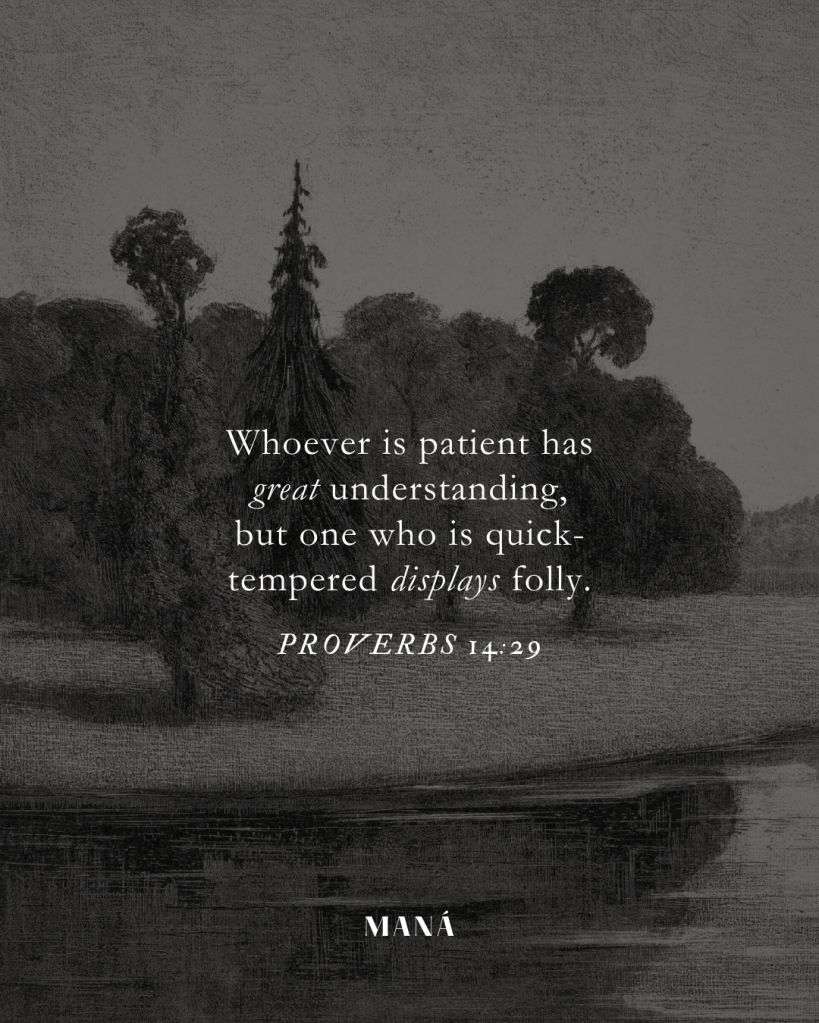
Image: Simon Moulijn. Park near castle, 1905. The Rijksmuseum
Related Verses
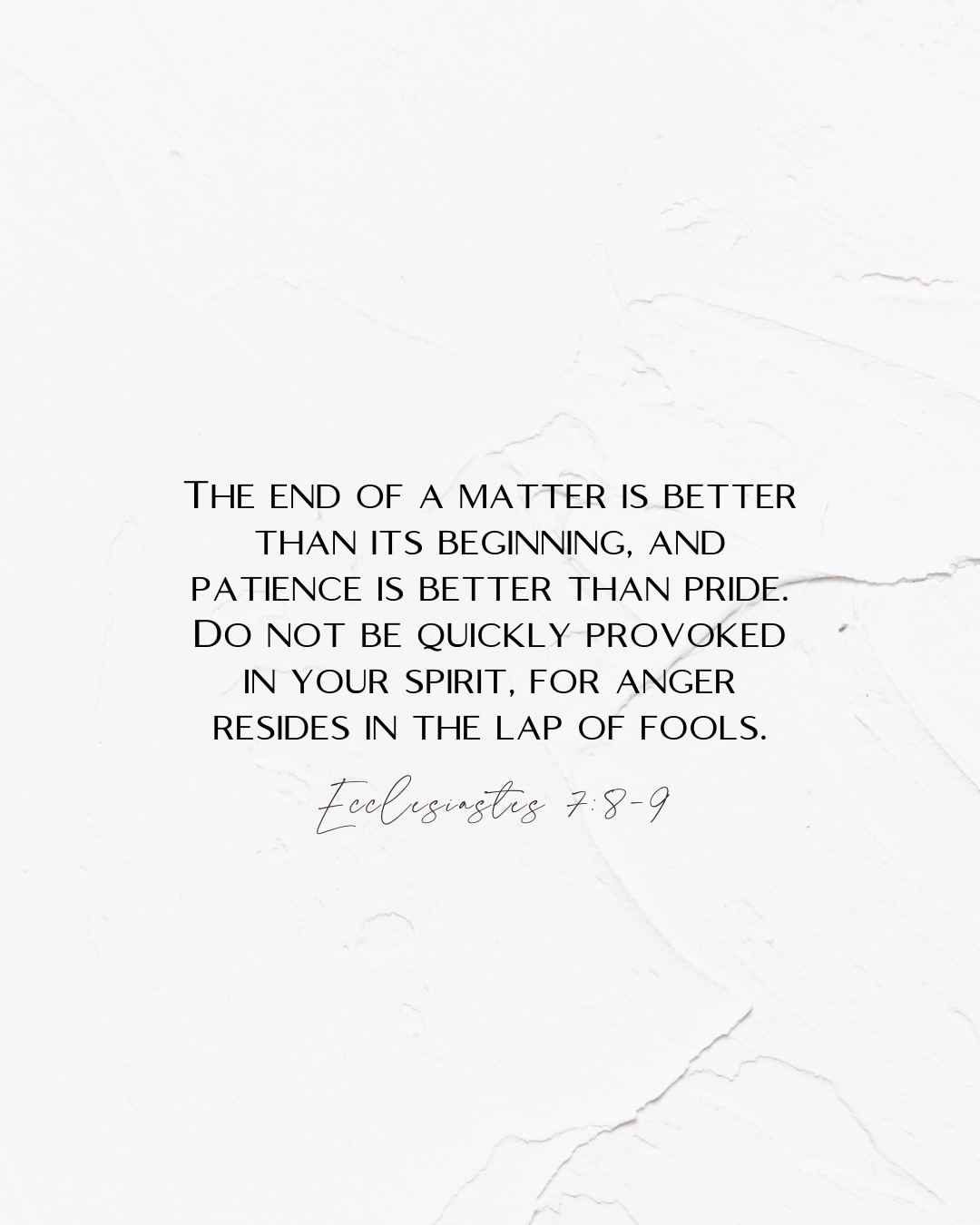
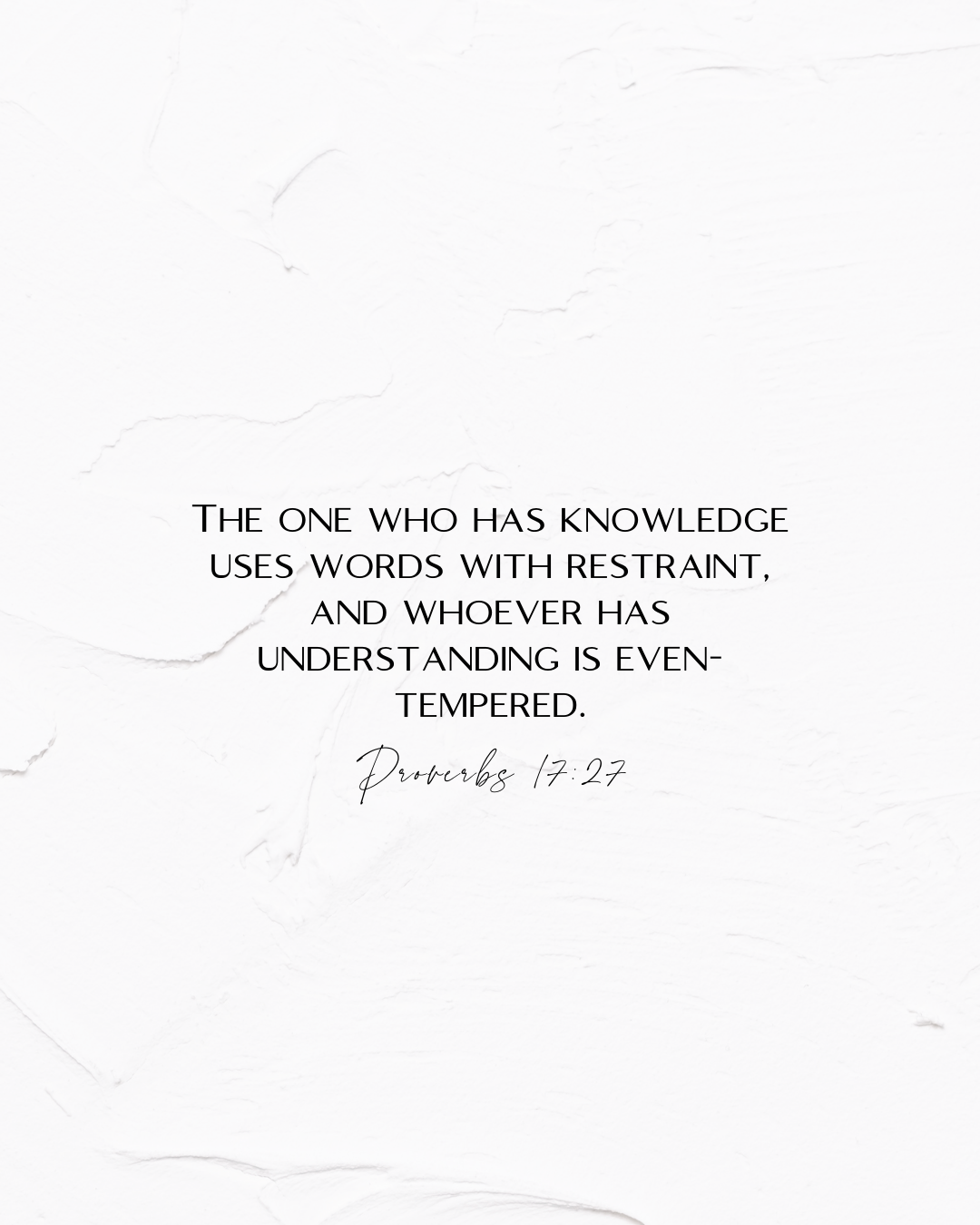
More verses about wisdom and understanding:

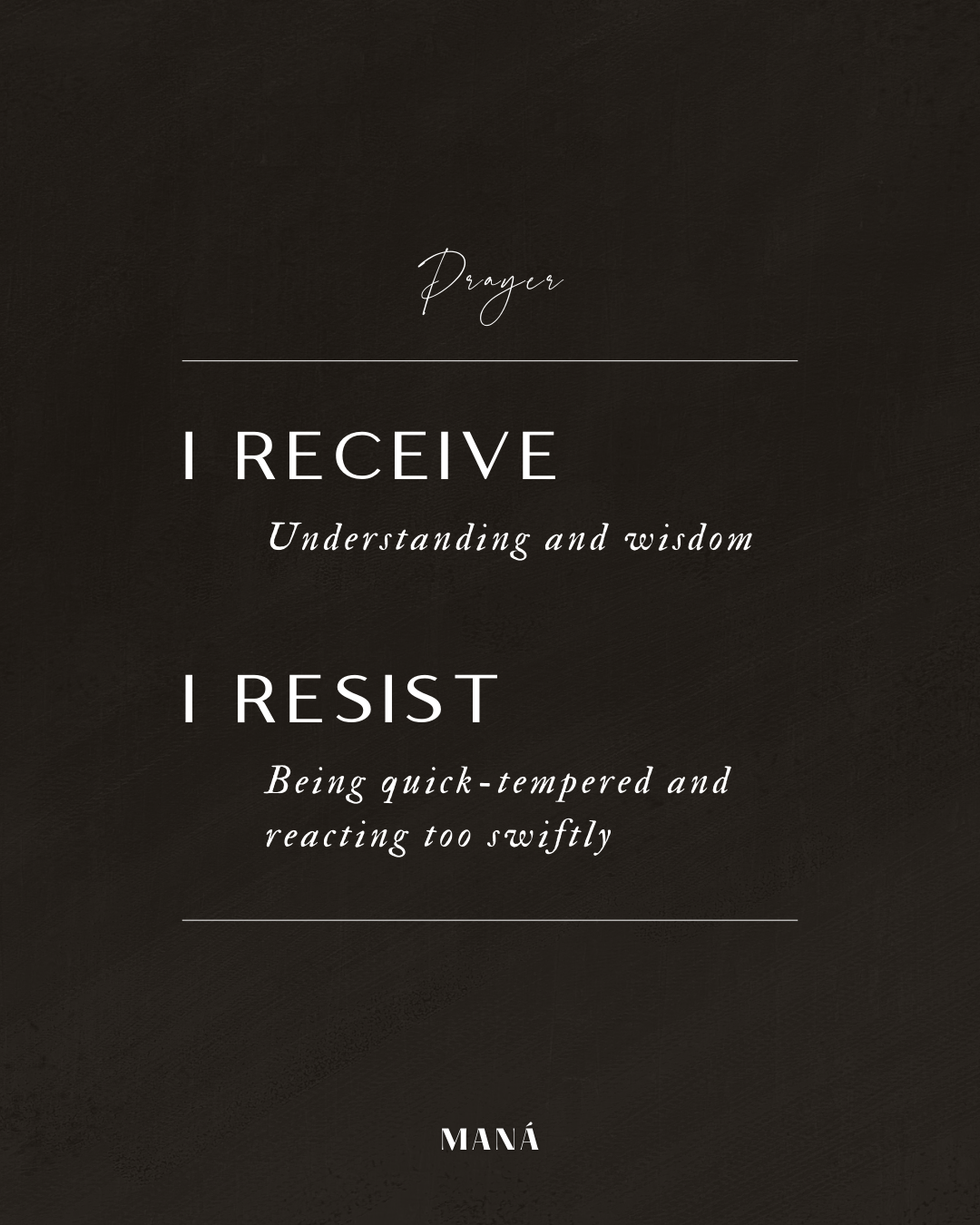
Prayer Invitation
Application Questions
- In what areas do you struggle with being quick-tempered instead of patient?
- Is wisdom resting in your heart, or is it boiling over with a desire to brag? Do you continually look for ways to gain understanding, not for attention, but to grow? If not, how can you adjust your thinking to pursue knowledge for wisdom’s sake?
- How can you change the way you look at people in need? What actions can you follow to show compassion to a fellow image bearer of God this week? Why do you think Solomon placed a proverb about caring for people in need amidst verses about wisdom?
- In what areas of your life are you ignoring wisdom? How can you change your response to wisdom?
Cover Image: Henri Rousseau. Sawmill, Outskirts of Paris, 1888–1895. The Art Institute of Chicago
 MANÁ
MANÁ 
Leave a comment