
Do not let any unwholesome talk come out of your mouths, but only what is helpful for building others up according to their needs, that it may benefit those who listen. And do not grieve the Holy Spirit of God, with whom you were sealed for the day of redemption. Get rid of all bitterness, rage and anger, brawling and slander, along with every form of malice. Be kind and compassionate to one another, forgiving each other, just as in Christ God forgave you.
Ephesians 4:29-32
Notes
When we admit our frailty, believe in Jesus as the Son of God, and confess our many faults, we are called to shed our old ways and lives, stepping into a new life. Paul explains that a believer must grow and mature, not remain in the early stages of faith. Faith must be nurtured to develop; thus, we are called to stop acting as we once did.
We must communicate differently from others. This includes homes, workplaces, sports fields, and churches, as well as stories, anecdotes, jokes, small talk, and conversations. If something is said at someone else’s expense, we should shift from demeaning to uplifting words. We ought to use words that encourage, inspire, and empower. People should feel revitalized and uplifted after spending time with believers. Unfortunately, too often, many of us fall into the trap of inappropriate remarks, claiming ‘it’s just a joke’ or becoming overly judgmental while trying to demand unrealistic standards of what is good.
But I tell you that everyone will have to give account on the day of judgment for every empty word they have spoken.
Matthew 12:36
There are three ways we ought to speak to people:
Edifying – those who hear our words and be built up.
Suitable – our words should be appropriate to the occasion, audience, and age.
Benevolent – what we say should impart grace and compassion to those who are listening.
First, it should be noted that we should understand the Holy Spirit as a Person. It is easy to forget the Trinity and how God is three Persons. Second, the Holy Spirit loves as a person loves, hurts as a person hurts, and is disappointed as a person is disappointed. Third, if believers disregard the commandments of the law and the message of Christ, those who speak violently or with disregard for others actually wound the Holy Spirit. Speaking worthless, empty, and vile speech, while simultaneously claiming redemption in Christ is painful to the Spirit and causes anguish. We must remember the spiritual holiness of the Spirit.
We should refrain from contemptuous speech and anything distressing to God. Why? Because anything that is not holy is objectionable to Him due to the holiness of the Spirit. The Spirit is part of the Trinity’s Godhead, and since we are sealed with God’s ownership and security, He guarantees our preservation until the day of redemption.
As believers, we are called to keep our temper and words free of rage, bitterness, and malice. This does not mean we cannot feel our emotions or suppress our frustrations. Earlier in the chapter, we learned not to let the sun set on our anger, nor are we to act impulsively. It is mentioned numerous times that we should be slow to anger and slow to speak (James 1:19-20, Prov. 14:29, Prov. 15:18). We can feel angry, but our response should be gentle.
What are we supposed to rid ourselves of?
Bitterness – an unwillingness to forgive and holding sever resentment
Rage – violent temper and a frenzy of anger
Anger – animosity, fury and hostility
Clamor – bickering, shouting down on others, loud outcries of anger
Slander – insulting language, abusive speech, and derogatory messages
Malice – wishing evil on others out of spite and cruel intent
You used to walk in these ways, in the life you once lived. But now you must also rid yourselves of all such things as these: anger, rage, malice, slander, and filthy language from your lips. Do not lie to each other, since you have taken off your old self with its practices and have put on the new self, which is being renewed in knowledge in the image of its Creator.
Colossians 3:7-10
Instead of following the impulses and passions of our hearts, we are called to shift our attitude and temper toward kindness. Many times, Jesus calls us to love our opposition, bless them, and not curse them (Matt. 5:44, Rom. 12:14, Luke 6:35). It is not up to us to deliver the wrath and condemnation that people deserve. Not only did God say that vengeance is His, but even Jesus did not come down and take on human form only to condemn. Instead, He came to serve and to save.
If we have calmed our tempers, what should fill the void? Instead of deteriorating into the traps of malice, slander, and rage, we are to cultivate Christlike qualities. The former are natural qualities that come with our physical nature, while the latter are supernatural qualities that are a part of our spiritual nature. We should pursue instead:
Kindness – a desire to be helpful even if there is a personal cost and an unselfish concern for the welfare of others
Compassion – a sympathetic interest and consideration of others with a willingness to bear someone else’s burdens
Forgiveness – the willingness to overlook personal insults, a readiness to pardon offenses, and holding no desire for retaliation or vengeance
We have the perfect example of forgiveness in God our Father. Instead of wiping us off the face of the earth or abandoning us to our selfish desires, he sent his only son to be our redemption. We are unworthy creatures not deserving of such deliverance. And yet, we have been given the gift of salvation and the opportunity to be made new.
MEMORY VERses

Possibly Giuseppe Caletti. Return of the Prodigal Son, 1600s. The Art Institute of Chicago
Related Verses
More verses about kindness and compassion:



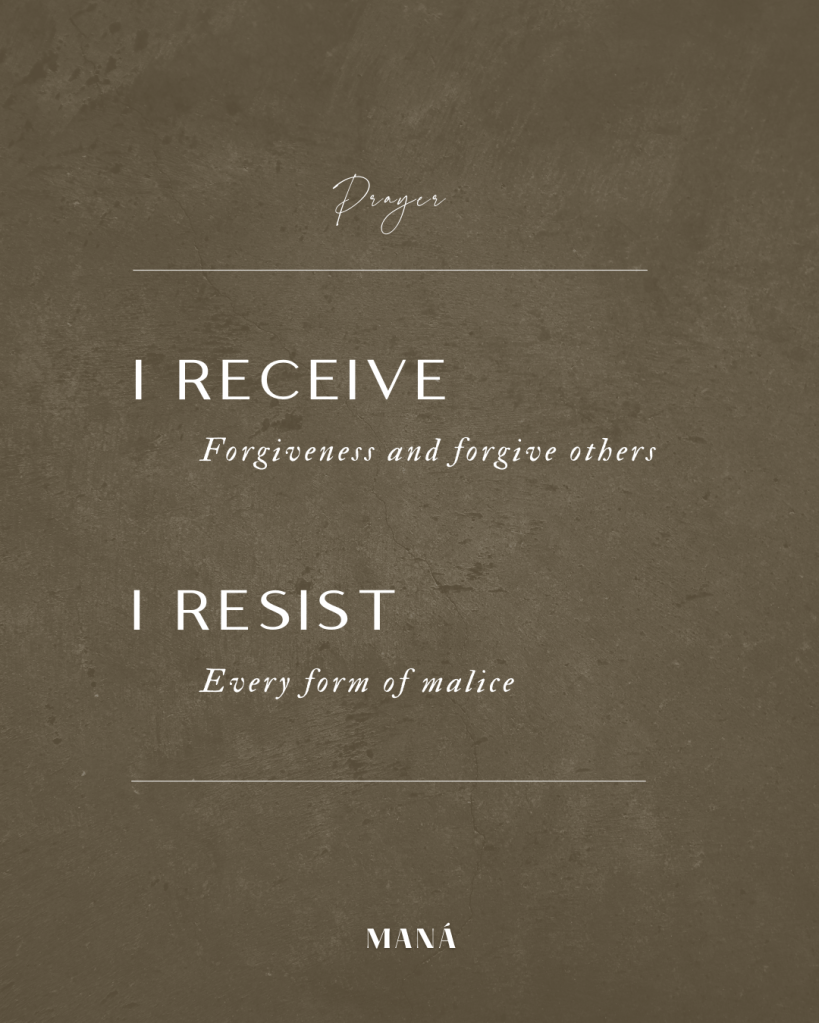
PRAYER INVITATION
“We could cope—the world could cope—with a Jesus who ultimately remains a wonderful idea inside his disciples’ minds and hearts. The world cannot cope with a Jesus who comes out of the tomb, who inaugurates God’s new creation right in the middle of the old one.”
—N. T. Wright




 MANÁ
MANÁ 
Leave a comment