
But as for you, continue to what you have learned and have become convinced of, because you know those from whom you learned it, and how from infancy you have known the Holy Scriptures, which are able to make you wise for salvation through faith in Christ Jesus. All Scripture is God-breathed and useful for teaching, rebuking, correcting, and training in righteousness, so the servant of God may be thoroughly equipped for every good work.
2 Timothy 3:14-17
Notes
But as for you, tells us we need to go back and look at the previous verses. Paul considers Timothy as his beloved son. He writes to Timothy to direct, encourage and educate him. In verses 1-9, Paul educates Timothy on what is to come. Paul says dangerous times are coming: men will be lovers of self, money, boasters, proud, blasphemers, disobedient to parents, unthankful, unholy, unloving, unforgiving, slanderers, without self-control, brutal, etc.
Timothy was also a student of Paul’s life: his purpose, manner of life, faith, longsuffering, love, perseverance, persecutions, and afflictions. He understood how Paul endured in Antioch, Iconium and Lystra and that the Lord delivered him from all of those who were against him. Paul warns Timothy that there will be evil men and imposters that will grow worse and worse deceiving people, even deceiving themselves.
Paul then directs Timothy to continue with what he has learned—what he has learned from Paul himself and the scriptures he was taught when he was young from his mother and grandmother (2 Timothy 1:5). Going on to say that those scriptures are what made him ready for salvation through faith in Christ. What is Scripture good for besides readying Timothy to receive Christ as his Savior? Verses 16 and 17 provide a list of why Scripture is good. It is good because it is the inspiration of God, profitable for doctrine, reproof, correction, and instruction in righteousness so that man may be complete and thoroughly equipped for good works.
The emphasis of inspired by God at the beginning of the list is of great importance. It presses us to see Scripture as being divinely inspired. Moody.org explains this phrase: “This implies that God is the source or origin of what is recorded in Scripture. God, through the Holy Spirit, used human authors to write what He revealed in the Bible. They were not mere copyists or transcribers.”
Biblical doctrine is defined as, the biblical “teachings” that are found in God’s word. To know what teachings are in God’s word you need to read, study and hear it. In verse 16, there are two compliments. First, Paul praises the Scripture because of its authority (God-breathed) and second that Scripture is valuable because of its authority (useful for teaching, etc.). With that knowledge, we can contend that ‘All Scripture’ is beyond any question and that we should receive it reverently and with all seriousness.
The second part of the praise is that the Scripture is valuable. The usefulness is that it contains guidance for service and good work. We should not use the Scriptures for selfish means or earthly materialism. This is why Paul now lists the ways to use it appropriately:
TEACHING: Listed first because teaching takes precedence over all the others. Without sound doctrine and good biblical teaching, we are prone to our earthly nature of egocentric tendencies. We can easily be led astray if not properly guided.
REPROOF: To convince someone of wrongdoing. Calvin states, “Scripture is extremely useful for refuting wrong thinking and acting and for bringing the believer’s lifestyle into conformity to the will of God.” We ought to remember that scripture, especially the New Testament, can be used to rebuke sin through the use of another person.
CORRECTION: What follows reproof is a corrected posture. To recognize our sins and to be convicted is the beginning of repentance. It is much like a parent-child relationship. The child does something wrong and the parent explains to the child their wrongdoing so the child recognizes their poor behavior, feels the weight of it so they can genuinely apologize, then correct their behavior.
TRAINING: All the above is part of our spiritual training. To be trained and disciplined by the Scriptures is what is right according to God’s standard for the church. We are taught, reproofed, corrected, and trained in righteousness so that He can equip us for doing good work which is prepared for us by God.
I encourage you to study the word of God, not merely for solace, but to be challenged to undergo the training of the Spirit. Be open to being checked by others because something in your life is wrong or imbalanced. Be willing to make corrections through ownership of failings and repent where there is brokenness. My hope is you will open yourselves up to be equipped for whatever good work God sets before you for His honor, glory and goodwill.
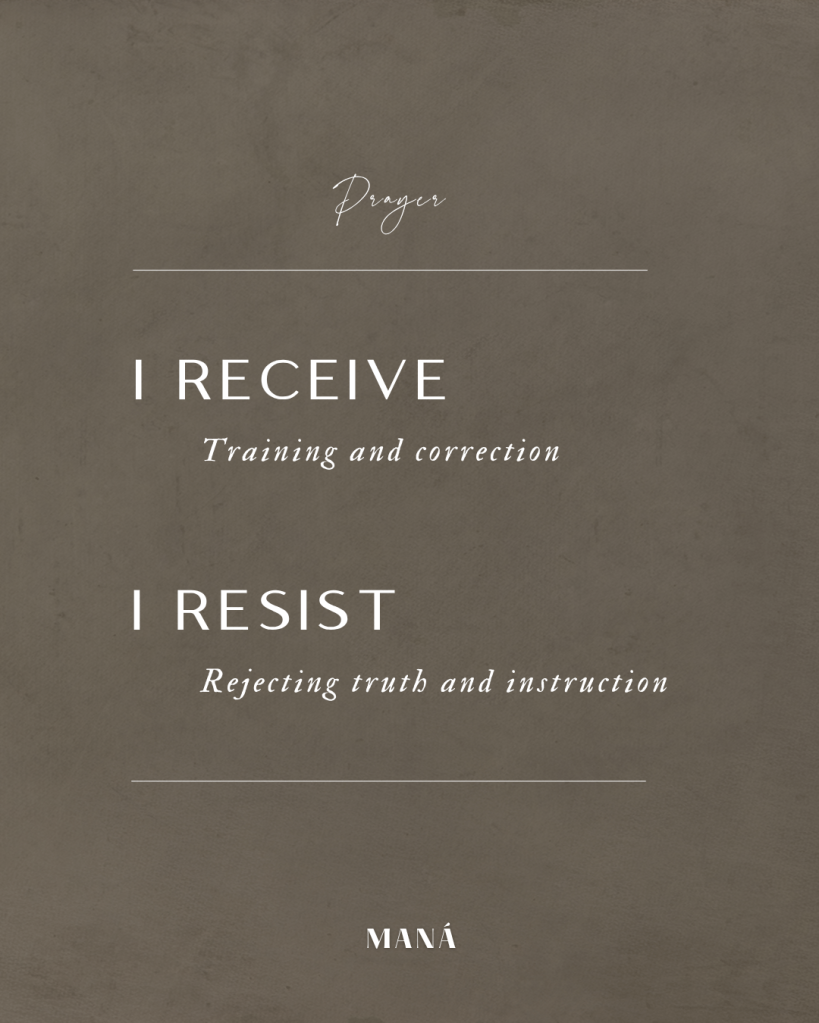
How can you step into being taught, accept a reprimand, be corrected and allow the Holy Spirit to train you to be a servant of God?
–P. D. Deckard
MEMORY VERses

Jan Nagel . Saint Jerome Reading, 1595. The Rijksmuseum
Related Verses
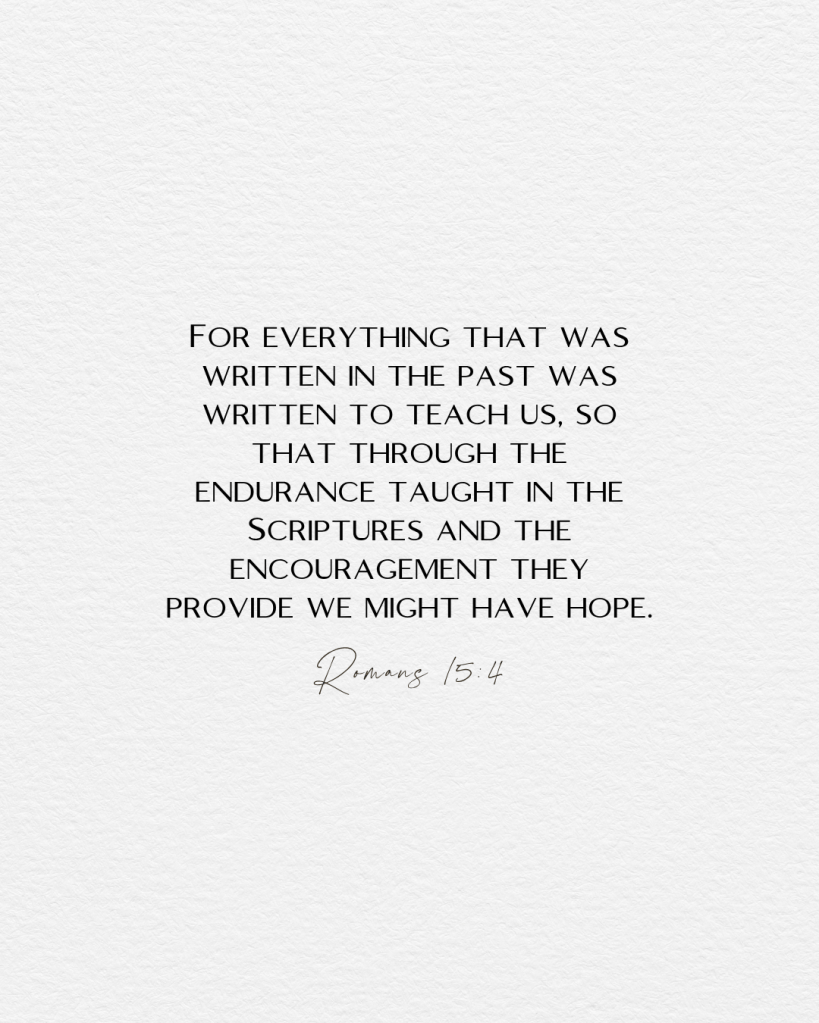
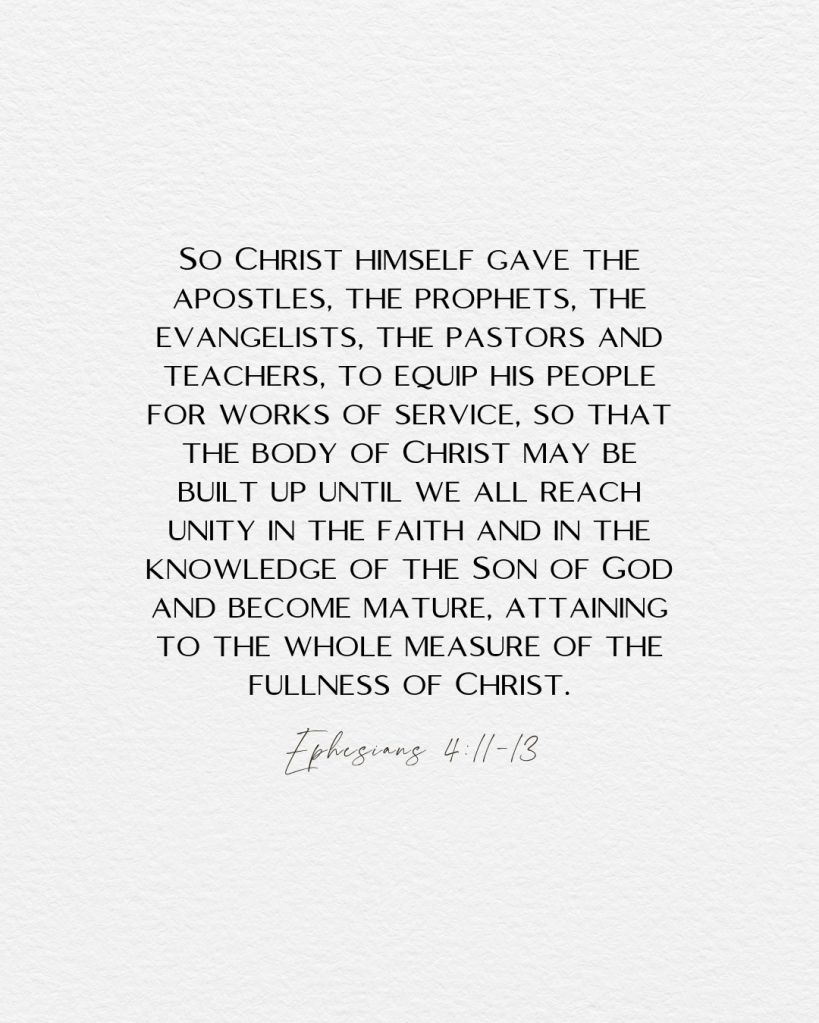
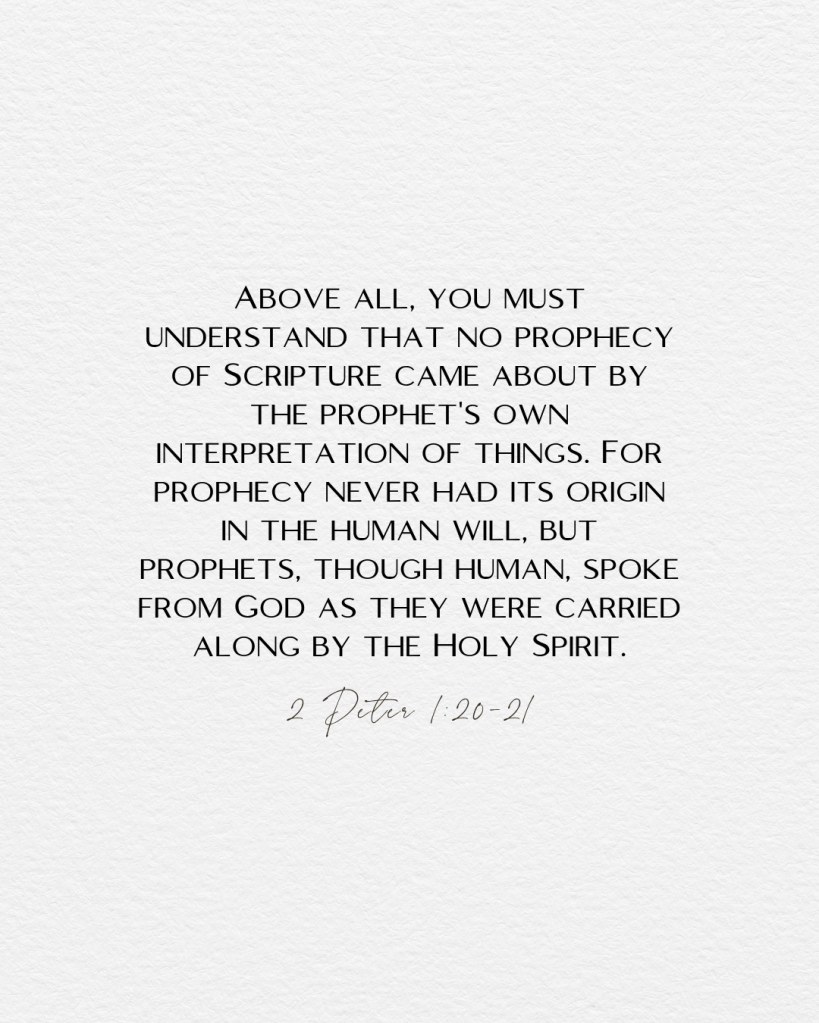
More verses about being equipped for good work:
PRAYER INVITATION
“We come to Scripture not to learn a subject but to steep ourselves in a person.”
—C. S. Lewis




 MANÁ
MANÁ 
Leave a comment