
For God so loved the world that he gave his one and only Son, that whoever believes in him shall not perish but have eternal life. For God did not send his Son into the world to condemn the world, but to save the world through him. Whoever believes in him is not condemned, but whoever does not believe stands condemned already because they have not believed in the name of God’s one and only Son.
John 3:16-18
Notes
John 3:16-18
For God so loved the world that he gave his one and only Son, that whoever believes in him shall not perish but have eternal life. John 3:16
As a child, whether in age or spiritual maturity, John 3:16 is generally the first verse that one encounters and is taught to memorize. The message is at the heart of the gospel and speaks the clearest to the love our God and Father has for us, that he sacrificed his own Son, Jesus Christ so He could provide hope and life. This verse reminds me of Sunday school classrooms and the voices of children reciting in unison. Then I began to read beyond the Sunday school collection of verses and discovered even more depth and conviction in the Word. We are to hope in a father who loved so deeply that he sacrificed his son and also, He did not so in a lashing of anger nor as a stark lesson in obedience, but did so to save us from emptiness and darkness.
For God did not send his Son into the world to condemn the world, but to save the world through him. John 3:17
And here is the power of the so-celebrated verse. Christ did not have to be sacrificed and any parent would be loathed to decide to give up their child, especially their one and only. Yet, sacrificial love is what is necessary to eradicate the worst of sorrowful demises—the utter finality of death. And if God had not done so, it would have been akin to him turning his back on mankind, intimating that he wants nothing more to do with the world he created.
This verse has struck me as the second step in the long journey of faith. Once a person accepts Jesus Christ as their Savior and as the son of God the Father, that part almost seems easy in comparison to the charge of not condemning our fellow man. For if God did not send his Son to condemn the world, why are we so ready and apt to condemn in His place?
It was a sacrificial love that placed Jesus on the cross as a way out of darkness, even if human hands placed him there. No condemnation was given from the Father and likewise, we should not lay condemnation at His door. We have to trust in the power and sacrificial love that has been offered and not get lost in the darkness of what this world demands of us or wants us to believe.
I read a great article in Comment Magazine, by Chris Owen in the magazine’s edition of “Where is the Church?” in a time when the church is so greatly needed. Owen discusses the veracity of fear and how the church and church body are well suited to size down the fear that has grown to epic proportions. He says:
The church that has recovered this movement of the imago Dei has remembered its vocation. It regains its prophetic witness. Its insistence on, and commitment to, the power of sacrificial love is a scandal to the world of getting and spending, competing and dominating, shaming and demeaning. Its trust in the power of sacrificial love, and its confidence in the triumph of that love at the end of time, means the church can resist the temptation to seize worldly power and win now. No longer assimilated to the culture, the church is salt again.
Fear is undone by the way of being that is the daily practice of self-emptying love, in the community of those who so practice. Fear is not eliminated; it just loses its power to keep us prisoners.
The church has become so like-minded with the world, although with moral coding and theology peppering of words, and has done little to contain the rampant flames of falsehoods and fear. Instead of wrestling with our fellow man over what we think is a zero-sum game where only a few are victorious, we should be fighting the fight of assimilation, believing that fame, fortune and power will save us. Kings die, presidents die, celebrities die. They each get their article in the Times for a day, but by the next other businesses and people will have taken their place. The ambitions of the world will lead to the same end, but a life fighting against the entanglement of bitterness, fear and rage will lead to life eternal.
Simply put, God sent his Son for the whole world not just for a selected group of people neither of specific culture or class. He did the opposite of what a worldly king or leader would do when it came to his legacy. Instead of elevating his Son to power and glory, he sacrificed him and let him die like a common criminal, as humble as his beginning. God did so not as a ‘stick it to you’ sort of jab at mankind who were already destined to death, but as a sign of hope and reclamation. We are His and we can escape the darkness and sorrow of death. The choice is ours and those who reject that reclamation and believe not that hope remain in a world hopeless, full of despair wondering why things are not better.
Whoever believes in him is not condemned, but whoever does not believe stands condemned already because they have not believed in the name of God’s one and only Son. John 3:18
MEMORY VERSE
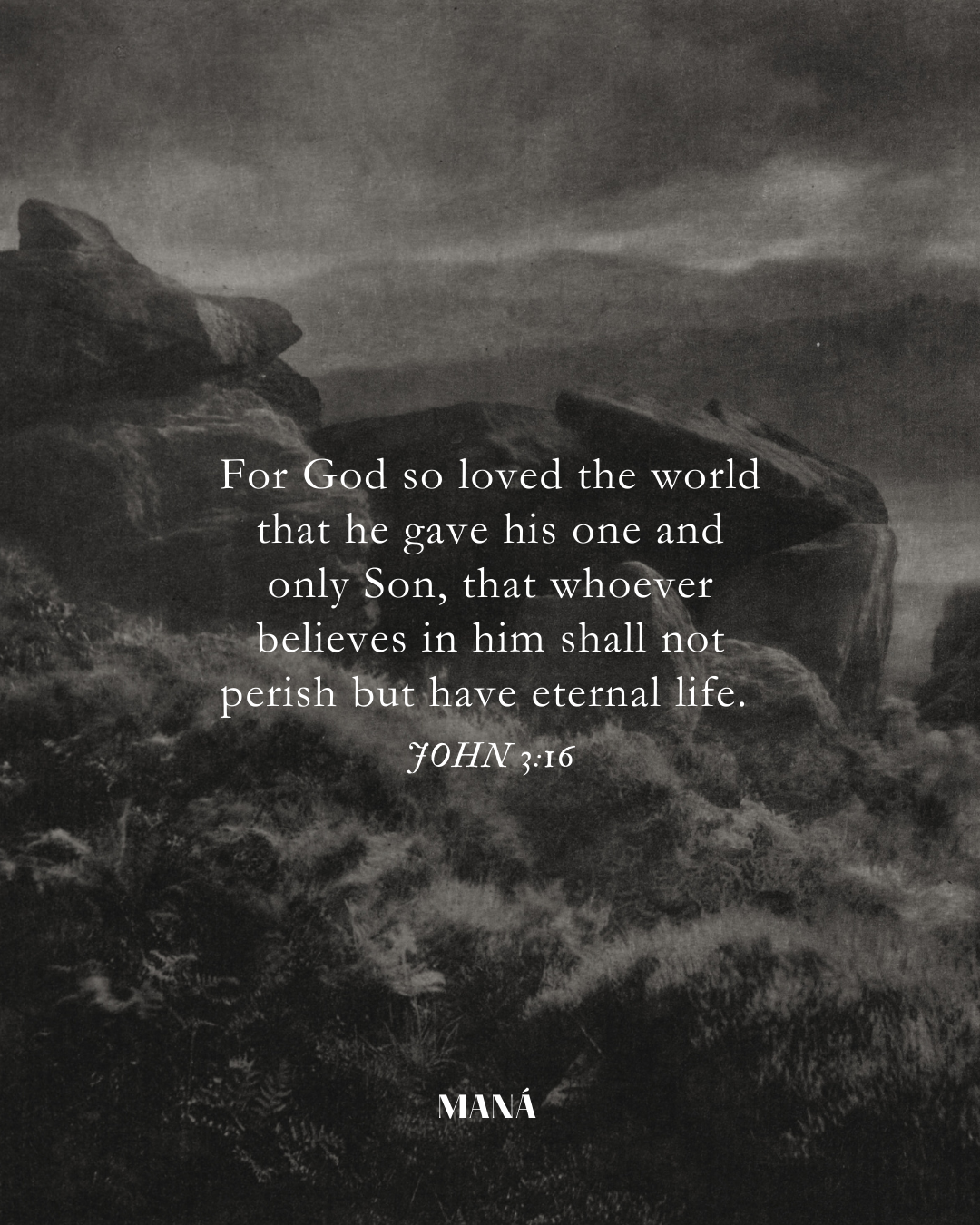
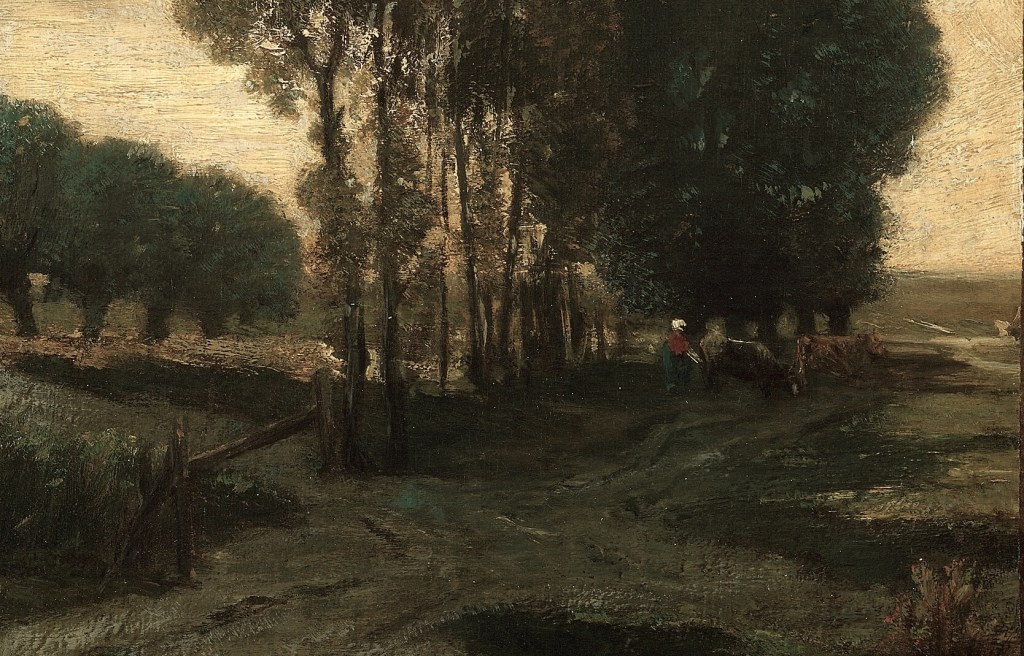
Horsely A. Hinton. Rain from the Hills, July 1905. The Minneapolis Institute of Art
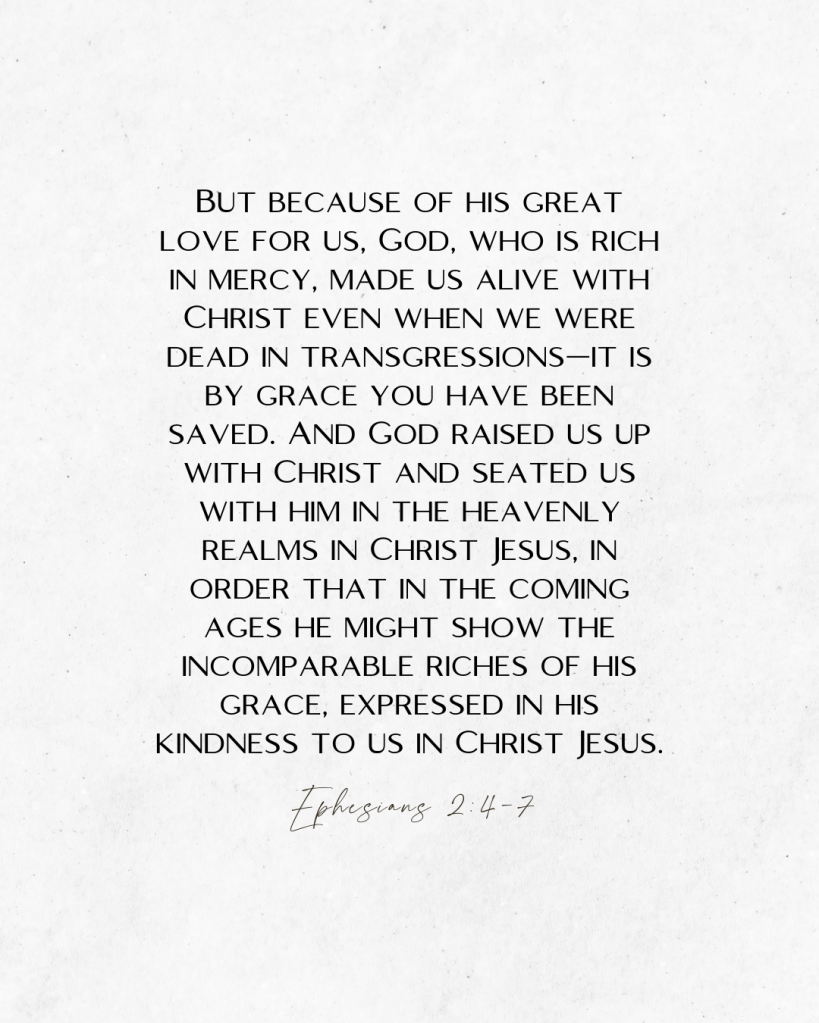
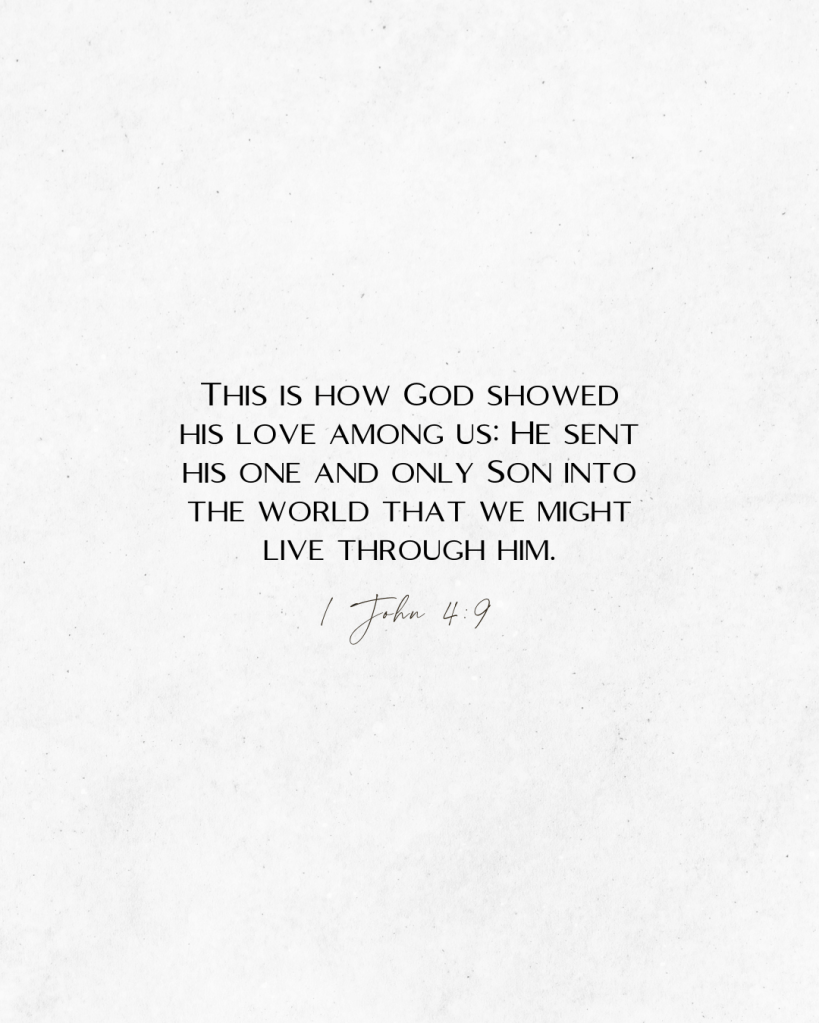
Related Verses
More verses about God’s sacrificial love

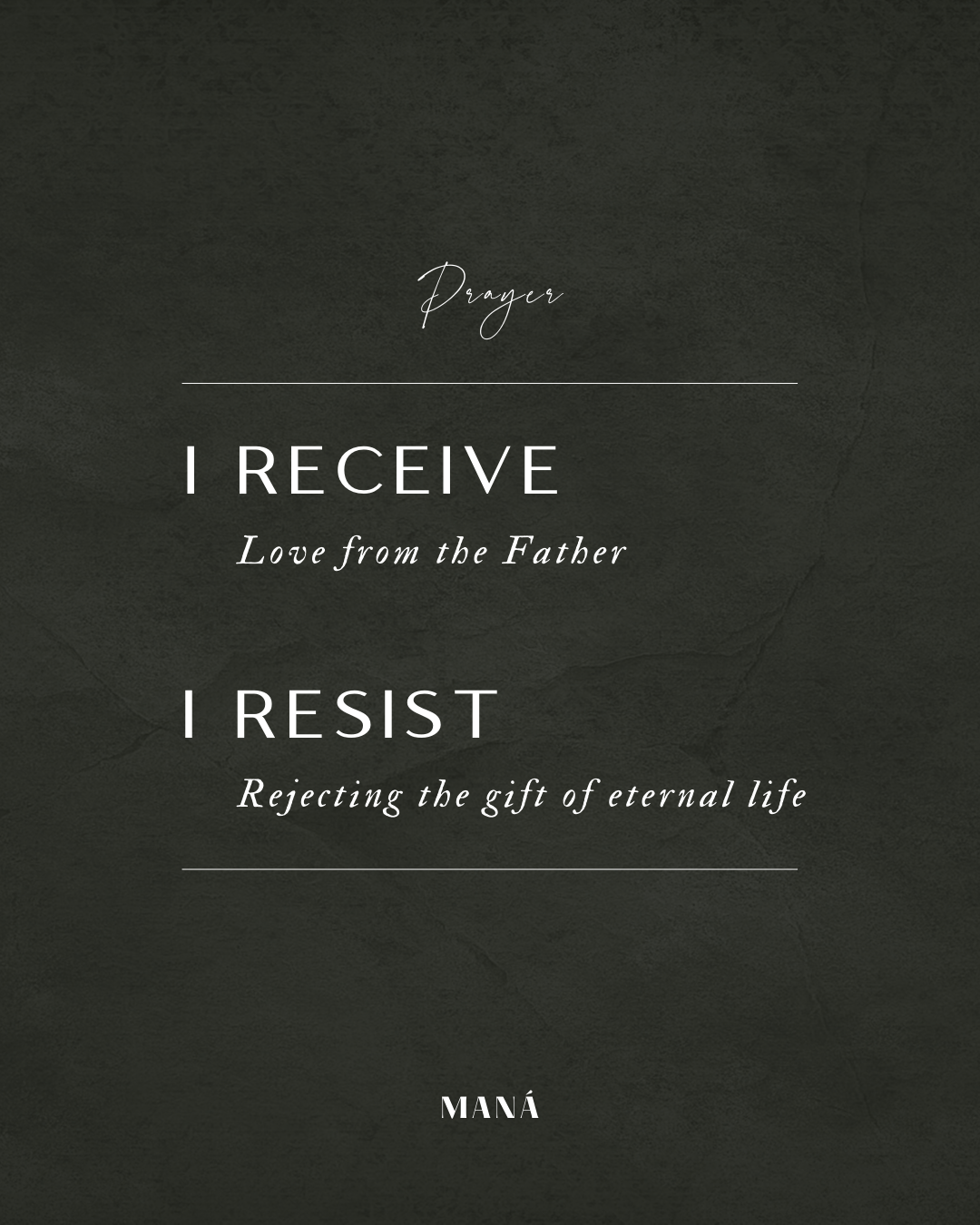
PRAYER INVITATION
“So the divine love is sacrificial love. Love does not mean to have and to own and to possess. It means to be had and to be owned and to be possessed. It is not a circle circumscribed by self, it is arms outstretched to embrace all humanity within its grasp.“
— Fulton J. Sheen

 MANÁ
MANÁ 
Leave a comment